Separate the equipment by owner and release date
Build a working list that identifies each switchgear asset, its owner or authorized decision-maker, the area where it is located, and whether it is available now or only after a later vacancy phase. Keep separate entries where ownership, lease obligations, lender rights, or operating responsibilities differ; a site contact should not assume authority to commit another party’s equipment. Add a status such as retained, under review, released for assessment, or excluded, and update it as decisions change. A buyer may assess listed assets individually and may decline any item. Clear ownership and release timing help prevent a proposed purchase from interfering with continuing operations or another party’s plans.
Use existing records without creating new tests
Useful information may include existing equipment schedules, one-line diagrams, prior inventory records, maintenance files, and exterior nameplate details already documented. Share only records you are authorized to provide, and identify estimates or uncertain entries as such. If asking about ratings, preserve the distinctions in available records: nominal system voltage, assembly voltage, continuous current, device frame, trip setting or rating, and interrupting rating are separate values, not interchangeable measures. Do not infer compatibility from a voltage or current figure alone. No seller testing, measuring, cabinet opening, or new fabrication is required to request an assessment. Unknown, unreadable, or conflicting details can simply be marked for buyer review.
Make exterior photos safe and useful
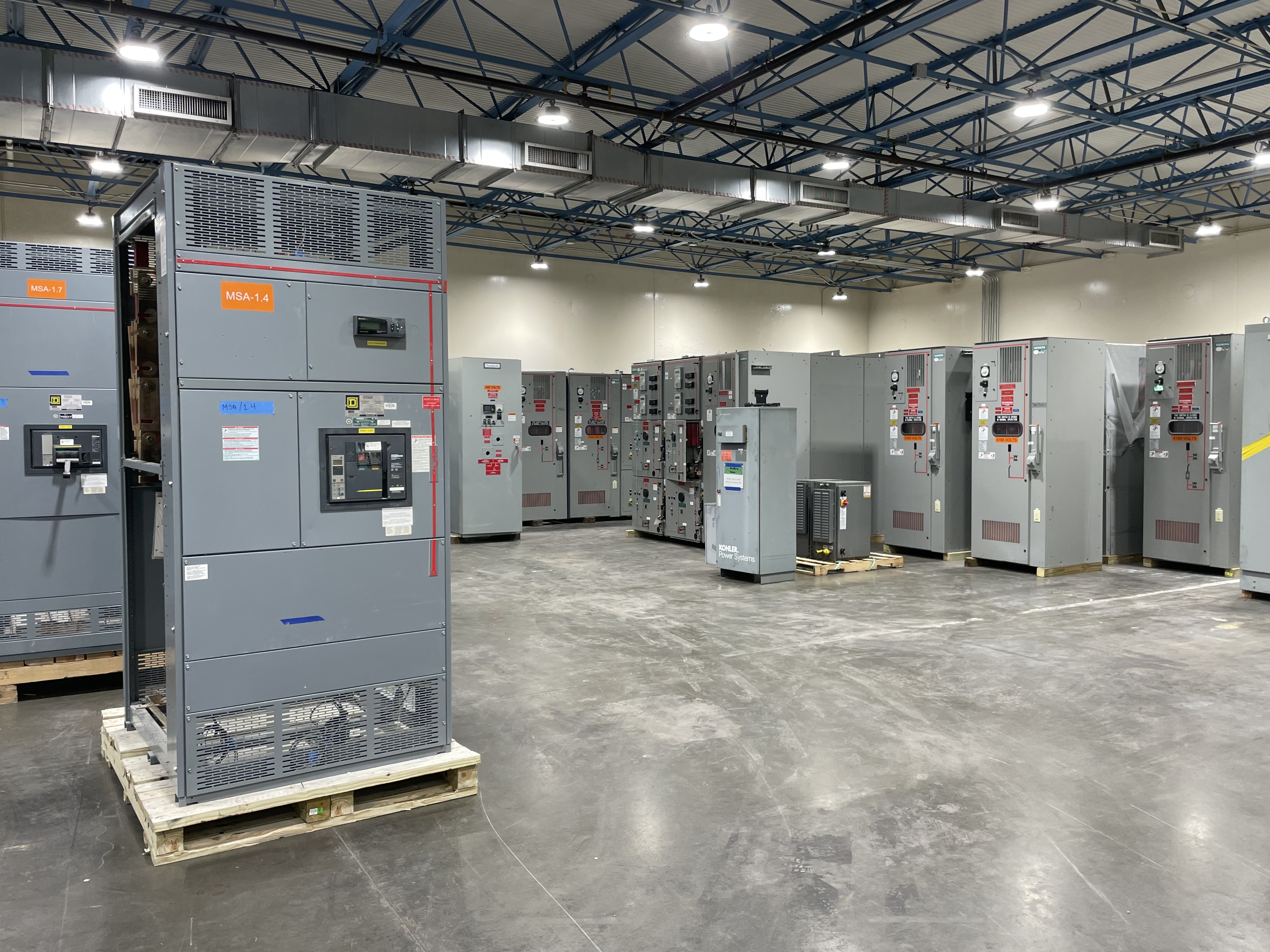
Photos are optional supporting information, not a reason to approach a hazard. If site rules permit and the equipment exterior is safely accessible, a seller may provide exterior views and exterior labels or nameplates from a site-authorized safe position. Do not open a cabinet, take internal photos, remove covers, or move barriers to improve a picture. Never approach, touch, operate, test, disconnect, remove, or move equipment that is energized or potentially energized. If access or electrical status is uncertain, rely on existing records and ask the site’s authorized personnel what information may be shared. All electrical work, if separately authorized as part of site operations, must be performed by qualified, authorized personnel under site rules.
Clarify what is included and what is not
Identify whether the assessment concerns complete switchgear assemblies, separately owned components, or another defined group of assets, and note any parts the seller intends to retain. Do not assume that a control, breaker, enclosure, or accessory will be accepted with an assembly; descriptions and records may be incomplete, and acceptance is decided asset by asset. Buyers consider equipment across all voltage classes, including equipment from decommissioned data centers and shut-down power plants, but this does not establish suitability, condition, or acceptance for a particular item. A purchase assessment is limited to agreed equipment. It does not include unrelated building demolition, general site clearance, or hazardous-material identification or remediation.
Plan a phased handover around site authority
For any agreed purchase, coordinate a written asset scope, release window, access permissions, and responsible site contacts before handover. The buyer covers necessary crane, rigging, disconnects, loading, freight, and hauling under the agreed purchase; the seller does not hire or pay a removal crew. That arrangement does not authorize anyone to bypass site procedures or perform electrical work without the required qualifications and authorization. Keep retained equipment, operating areas, and other owners’ assets outside the agreed scope. If a phase changes, access is unavailable, or a required approval is missing, pause coordination until the authorized parties resolve it. Removal and transport timing depends on individual agreement and site conditions.
Review the offer and payment terms item by item
After reviewing available information, the independent buyer makes cash offers and pays upfront for agreed purchases. Each offer and acceptance is individually assessed; neither price nor timing is guaranteed, and submitting a list does not obligate either party to proceed. Confirm which specific assets are accepted, who can sign for them, the agreed payment terms, and the authorized handover arrangements before scheduling removal. A phased list can remain open for later review, but each new release requires its own confirmation. If records do not establish ownership or equipment identity, flag that limitation rather than guessing. This keeps financial commitments distinct from unapproved items and from later phases that have not been accepted.