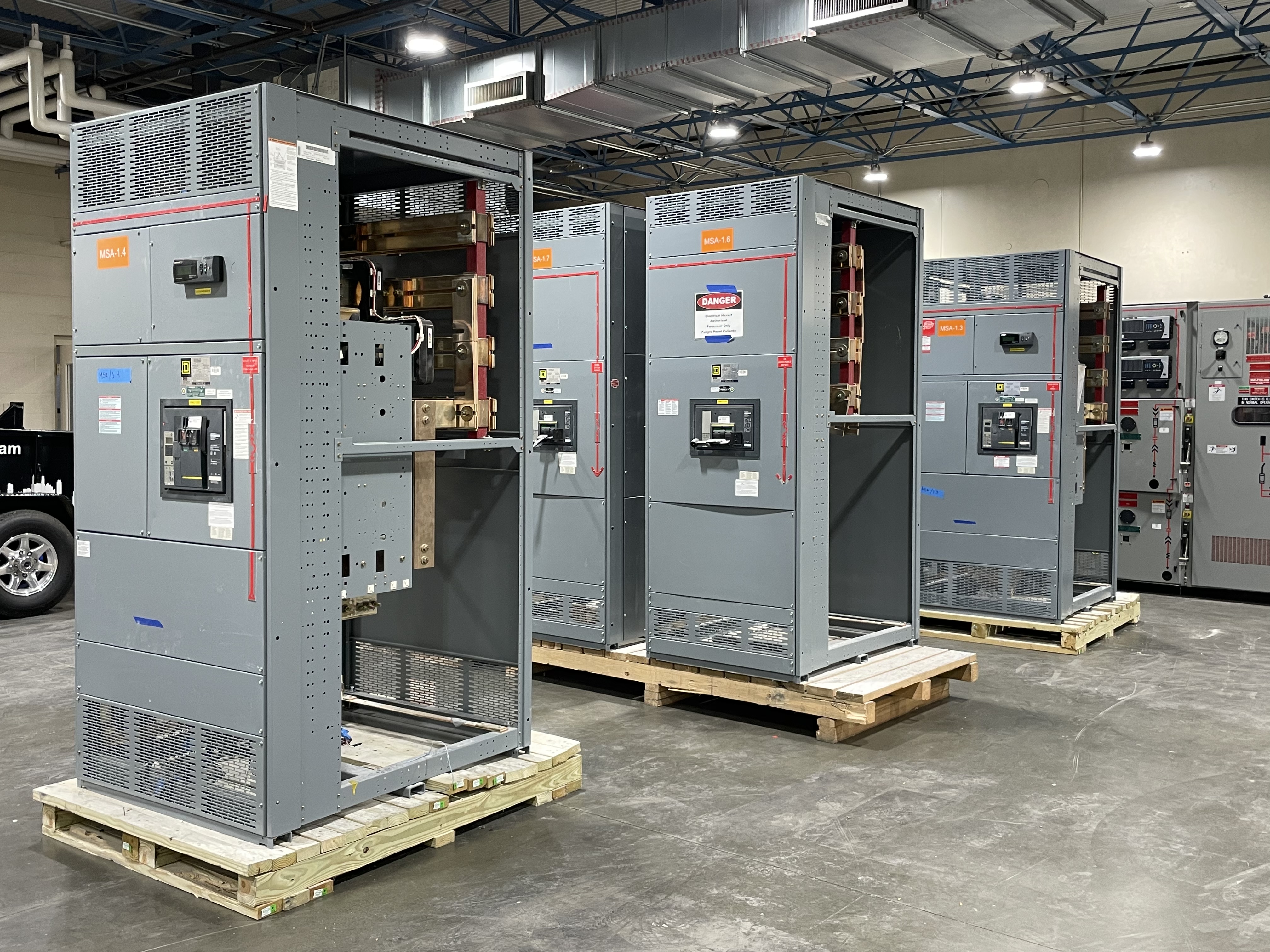
Resolve claim authority before discussing release
Before seeking a purchase, tell the insurer or claims representative that a sale or removal assessment is being considered, and ask who has authority to approve it. Confirm whether the equipment is subject to an inspection, evidence hold, salvage direction, lender interest, or other restriction. Share any written direction with the buyer when appropriate; do not assume that facility ownership alone permits release. A purchase assessment can proceed without asserting that the gear is safe, repairable, or saleable. If the claim is unresolved, the buyer can review available information, but equipment must remain subject to the insurer’s and site owner’s instructions. No offer or timing is guaranteed.
Describe exposure without disturbing equipment
Report what is known: the reported water source, approximate date or duration if documented, affected area, and whether exposure was observed or merely suspected. Distinguish firsthand observations from conclusions, and do not characterize the switchgear as dry, operational, or undamaged without authorized documentation. Never approach, touch, open, operate, test, disconnect, remove, or move equipment that is energized or potentially energized. Electrical work and any safety determination belong only to qualified, authorized personnel working under site rules. If photographs are permitted, provide only images of safely accessible exteriors and exterior labels or nameplates, taken from site-authorized safe positions. Never open a cabinet or take internal photos.
Use existing records and keep ratings distinct
Useful records may include equipment schedules, drawings, inventories, purchase documents, prior service records, and insurer or site reports that the facility is authorized to share. Identify the source and date of each record, especially if documents conflict or predate the water event. Do not infer one electrical rating from another: nominal system voltage, assembly or equipment voltage, continuous current, device frame, trip, and interrupting ratings are separate data points. Report values only when supported by existing records, and label unknown or unverified information plainly. Sellers need not test, measure, stage, fabricate, or prepare equipment to request an assessment; the buyer may decide what further information is necessary.
Clarify what the proposed purchase covers
Describe the identifiable equipment and any known boundaries of the proposed lot, using existing labels or inventory records where available. Note missing records, visible exterior concerns, and components excluded by the insurer or site owner. A buyer’s assessment is not a promise to accept every lineup, accessory, damaged item, or associated material. The business considers used, surplus, and decommissioned electrical equipment across all voltage classes, including equipment from decommissioned data centers and shut-down power plants; that scope does not establish suitability or acceptance of a particular asset. A written offer, if made, should define the agreed equipment, price, payment terms, release authority, and handover conditions.
Agree payment, access, and removal responsibilities
For an agreed purchase, the buyer makes a cash offer and pays upfront under the agreed terms; each offer and acceptance is individually assessed, with no guaranteed price or schedule. Under an agreed purchase, the buyer covers necessary crane, rigging, disconnects, loading, freight, and hauling as applicable to the agreed handover. The seller does not hire or pay a removal crew. Confirm site access, insurance-claim release, operating restrictions, and responsibility boundaries before scheduling work. Disconnects and all other electrical work must be performed only by qualified, authorized personnel under site rules. No removal should be arranged until the equipment is cleared for release and the site authorizes the plan.
Keep handover separate from remediation
Agree in writing on the pickup scope, permitted access, required approvals, and any items that remain at the site. Water-affected equipment may raise safety, evidence-preservation, or environmental questions; the purchase assessment does not replace site, insurer, or qualified professional decisions on those matters. The buyer’s removal responsibilities apply to necessary work for the agreed purchase, not unrelated demolition, building repairs, or hazardous-material remediation. Do not move equipment to make it easier to collect. If an insurer or site authority restricts access or handling, follow that direction and defer scheduling until authorization is clear. A careful handover protects the claim record while allowing a potential purchase to be evaluated on documented facts.