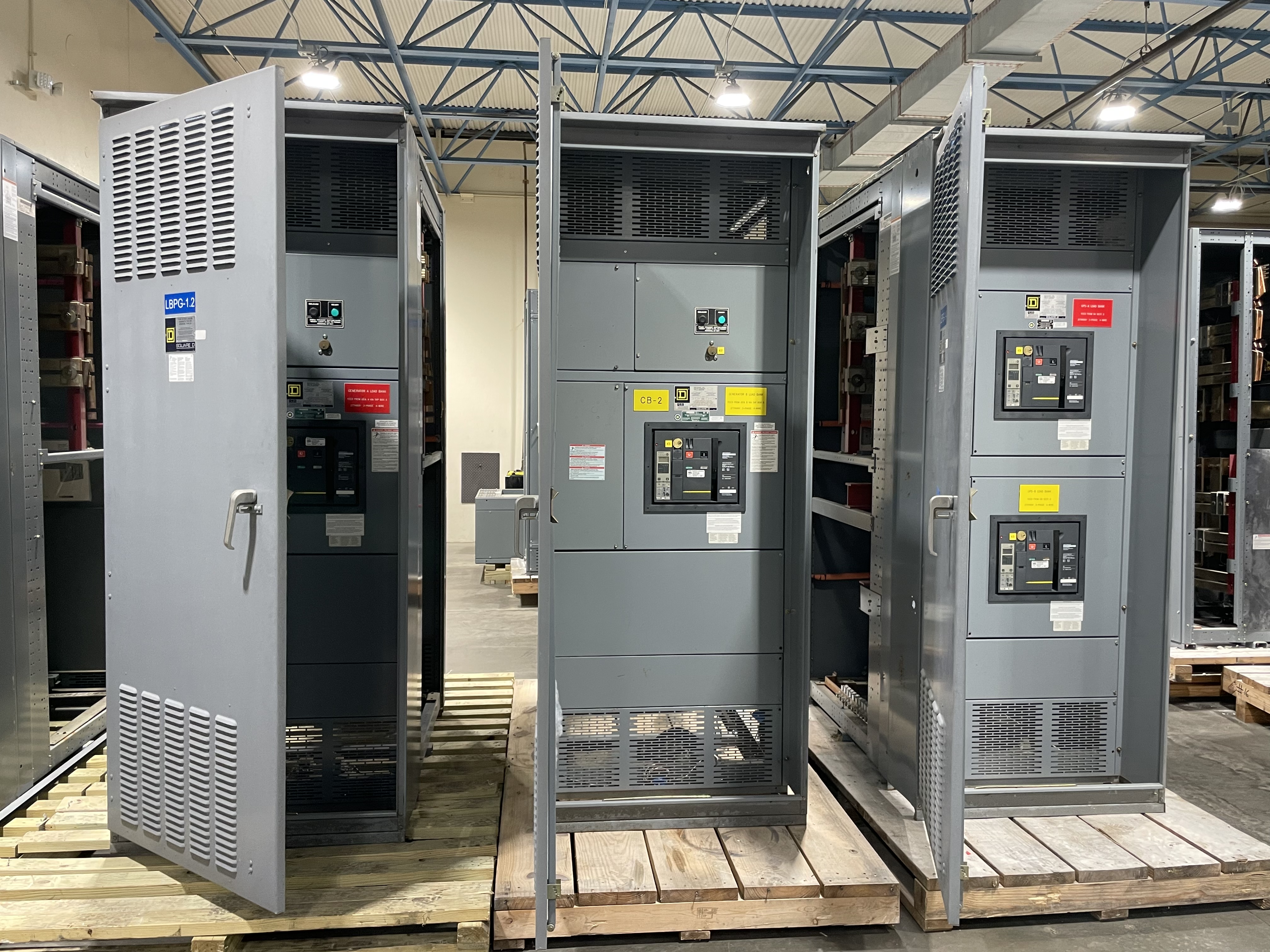
Start with one entry per labeled item
List each breaker and each accessory as a separate item, even when they were stored together or appear similar. Record the complete wording visible on an accessible exterior nameplate or label, including punctuation and any distinct catalog or identification text. Note quantity and broad condition only when that information is already known without handling the equipment. Do not group accessories under a breaker based on appearance, prior storage, or an assumed application. An independent buyer can review the labels as presented, but a label alone does not establish fit, compatibility, or whether an item will be included in an offer.
Use records to describe ratings carefully
Existing inventories, purchase records, asset lists, or maintenance documents may help clarify what is being considered. Share copies or relevant excerpts if available; sellers do not need to measure, verify, or create new records. Keep distinct values distinct: nominal system voltage, assembly voltage, continuous current, device frame, trip rating, and interrupting rating are not interchangeable. Report a value only when an existing record supports it, and identify what the record actually describes. If records are incomplete or labels are unclear, mark the detail unknown rather than infer a specification from another item or from a presumed product family.
Keep the assessment independent of compatibility claims
Different accessory labels can matter to a buyer’s review, but matching names, visual resemblance, or common storage do not prove that an accessory fits a particular breaker. Avoid presenting an assumed pairing as confirmed. Instead, provide each exact available label and, where established in existing records, note the item to which the record associates it. The assessment may leave compatibility unresolved, and an offer may cover some items, all listed items, or none. No Siemens affiliation, endorsement, product origin history, technical specification, or compatibility should be inferred from this buying assessment.
Set out exclusions and unknowns plainly
Identify what is actually available for consideration, including known quantities and any items expressly excluded from the proposed purchase. Separate facts supported by records from recollections or uncertain descriptions. Mention missing labels, incomplete documentation, or an unknown operating history without trying to fill gaps through testing. This helps prevent a mixed storeroom lot from being mistaken for a single verified assembly. A purchase is considered item by item, and acceptance and pricing depend on the particular equipment and agreed terms. An inquiry is not a commitment to accept every breaker or accessory, and neither price nor transaction timing is guaranteed.
Plan a safe, low-burden handover
Send photographs only of exterior surfaces and exterior labels that can be seen from positions authorized and considered safe under site rules. Never take interior photographs; do not approach, touch, open, operate, test, disconnect, remove, lift, or move equipment that is energized or could be energized. Any electrical work must be carried out by qualified, authorized personnel in accordance with site requirements. For an agreed purchase, the buyer covers necessary disconnect work, crane and rigging services, loading, freight, and hauling. The seller is not expected to hire or pay a removal crew.
What an agreed purchase provides
We make cash offers and pay upfront for purchases that are agreed, subject to the individually assessed items and terms. No seller testing is required to request or proceed with an assessment. The buying scope includes used, surplus, and decommissioned electrical equipment across all voltage classes, including equipment arising from decommissioned data centers and shut-down power plants. Each proposed purchase still requires its own review and acceptance; no offer amount or schedule is assured. Arrangements cover the agreed equipment and its handover, not unrelated demolition or hazardous-material remediation. In Griffin, begin with separate label entries and available records, then let the buyer review the specific lot.