Assess each site on its own terms
Start with the ownership and decision path for each location: who can authorize a sale, who controls site access, and which representative can coordinate the handover. Separate records and asset lists help prevent an item at one site from being mistaken for equipment at the other. Note any known access windows, escort requirements, shutdown constraints, or deadlines without treating them as confirmed until the relevant site contact verifies them. An offer for equipment at one location does not establish an offer for the other; each site and proposed asset group receives its own assessment.
Use the labels that are actually available
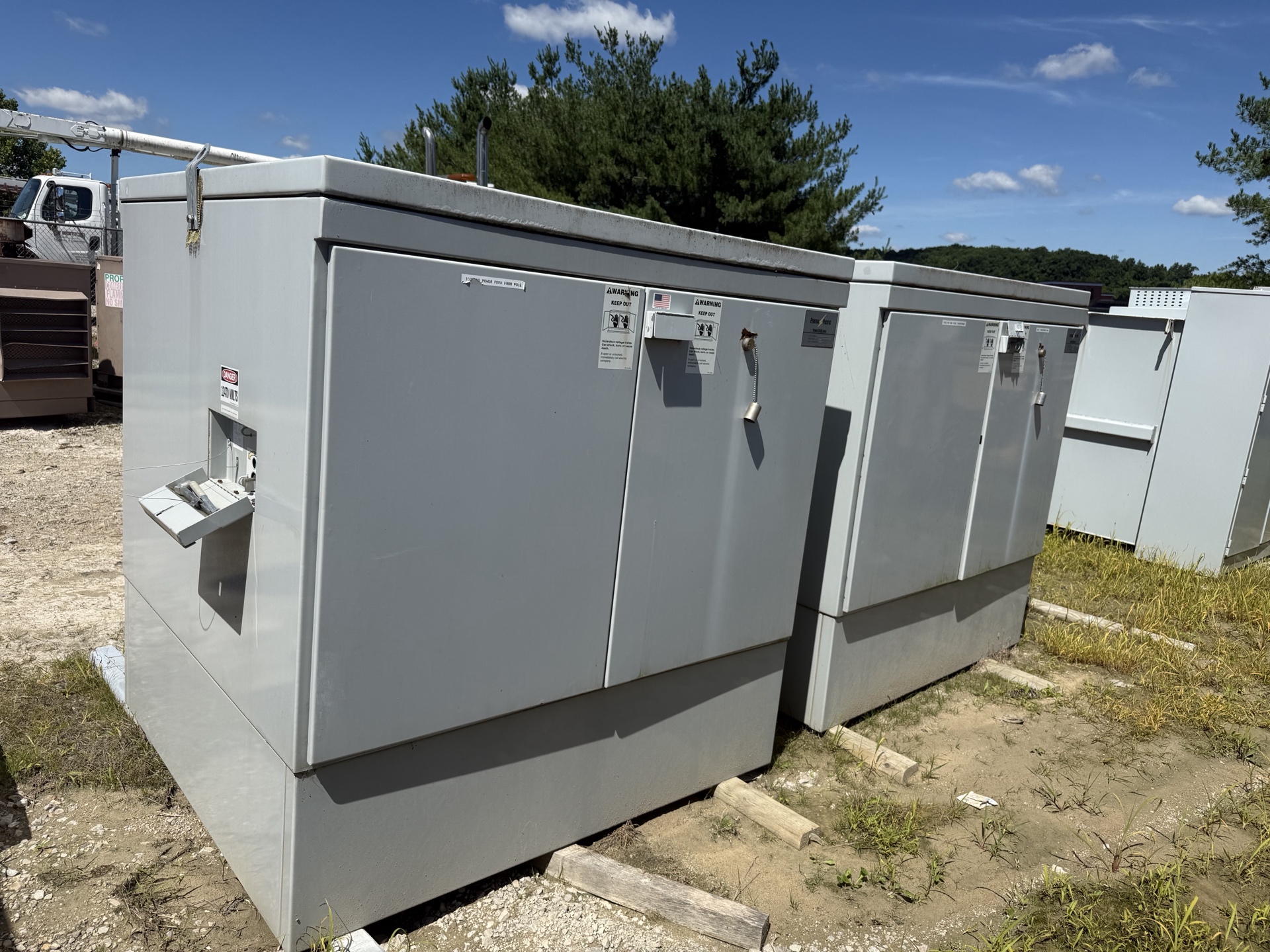
For switchgear marked GE, transcribe only wording visible in existing records or on safely accessible exterior labels and nameplates. Keep punctuation, model or type strings, serial identifiers, and listed ratings distinct rather than filling gaps from memory or assumptions about a brand. If a label is unreadable or unavailable, mark that detail unknown. Exterior photographs are optional and should be taken only from positions the site has authorized as safe; keep cabinets closed and do not seek interior views. No manufacturer relationship, equipment origin, product family, or compatibility should be inferred from a marking alone.
Keep electrical ratings in separate categories
When records contain ratings, preserve each value with its original label and context. Nominal system voltage is not automatically the assembly’s voltage rating; continuous current is not a device frame rating; and neither establishes a trip setting or interrupting rating. Do not combine numbers from separate records or infer missing values from an exterior appearance. A buyer can consider the documentation provided, while clearly identified gaps remain unresolved for assessment. Sellers do not need to test, measure, or open equipment to support an initial review. Any electrical investigation that a site independently requires belongs only to qualified, authorized personnel working under that site’s rules.
Build an honest record for both opportunities
For each site, gather available asset schedules, prior purchase or maintenance records, decommissioning documents, and notes identifying which entries correspond to the visible exterior labels. Mark uncertain ownership, incomplete descriptions, and records that may cover multiple assemblies. This is particularly useful when equipment is part of a broader shutdown or a former data-center or power-plant inventory: the buyer purchases equipment from decommissioned data centers and shut-down power plants, but that does not guarantee acceptance of any listed item. A concise, accurate record is more useful than a seller-created test report or a guessed specification.
Compare access windows against the handover plan
Two sites may have different permitted hours, escort arrangements, loading areas, and deadlines for removing approved assets. Ask each owner to identify its actual site rules and the person authorized to approve access; do not assume one site’s arrangements apply at the other. If a purchase is agreed, the buyer covers necessary crane, rigging, disconnects, loading, freight, and hauling as part of the agreed handover plan. The seller is not expected to hire or pay a crew for that work. All electrical work remains subject to site authorization and must be performed by qualified personnel.
Clarify commercial terms and exclusions
The buyer makes cash offers and pays upfront for purchases that are agreed, with each offer and acceptance assessed individually. Price and timing are not guaranteed, and an inquiry or preliminary review is not a commitment to buy. Confirm which specific equipment, site, and handover scope an accepted agreement covers before scheduling work. The assessment concerns electrical equipment only; it does not promise general demolition, building work, or hazardous-material remediation. If a site has separate environmental, permitting, or shutdown requirements, those remain matters for the responsible parties and are not implied services of an equipment purchase.
Protect people and equipment during review
Do not approach, touch, open, operate, test, disconnect, remove, or move equipment that is energized or could still be energized. Keep all review to existing records and, if permitted, exterior labels or photographs captured from a site-authorized safe position; never open a cabinet or photograph its interior. No seller testing or staging is required to request an assessment. Only qualified, authorized personnel may perform electrical work, and they must follow the owner’s procedures and site rules. If safe access is uncertain, stop the review and ask the site’s authorized contact to determine the appropriate next step.