Define the lineup before requesting an offer
Present the MCC as a proposed lineup, then identify its sections using the exact Siemens markings and asset numbers recorded for each. If older records use different asset numbers from current inventory documents, preserve both systems rather than silently replacing one with the other. A brief cross-reference can show which record applies to each section and where an identifier is uncertain. Separately list machine controls that are nearby but excluded from the proposed purchase; physical proximity alone does not establish that they belong to the MCC. This scope makes it easier to assess a complete lineup or a clearly bounded portion without assuming a shared control system or equipment relationship.
Use records to separate known facts from gaps
Useful existing records may include asset registers, equipment schedules, decommissioning inventories, available drawings, and photographs already taken from safe positions. Quote markings exactly as they appear; do not infer a product family, origin, compatibility, or configuration from the Siemens name alone. Keep any recorded electrical values tied to their stated labels and categories. Nominal system voltage, assembly voltage, continuous current, device frame, trip rating, and interrupting rating are distinct, and a record for one is not evidence for another. If a value or section mapping is absent or inconsistent, identify it as unknown. A buyer can review what is available without requiring the seller to test or measure equipment.
Share exterior information safely
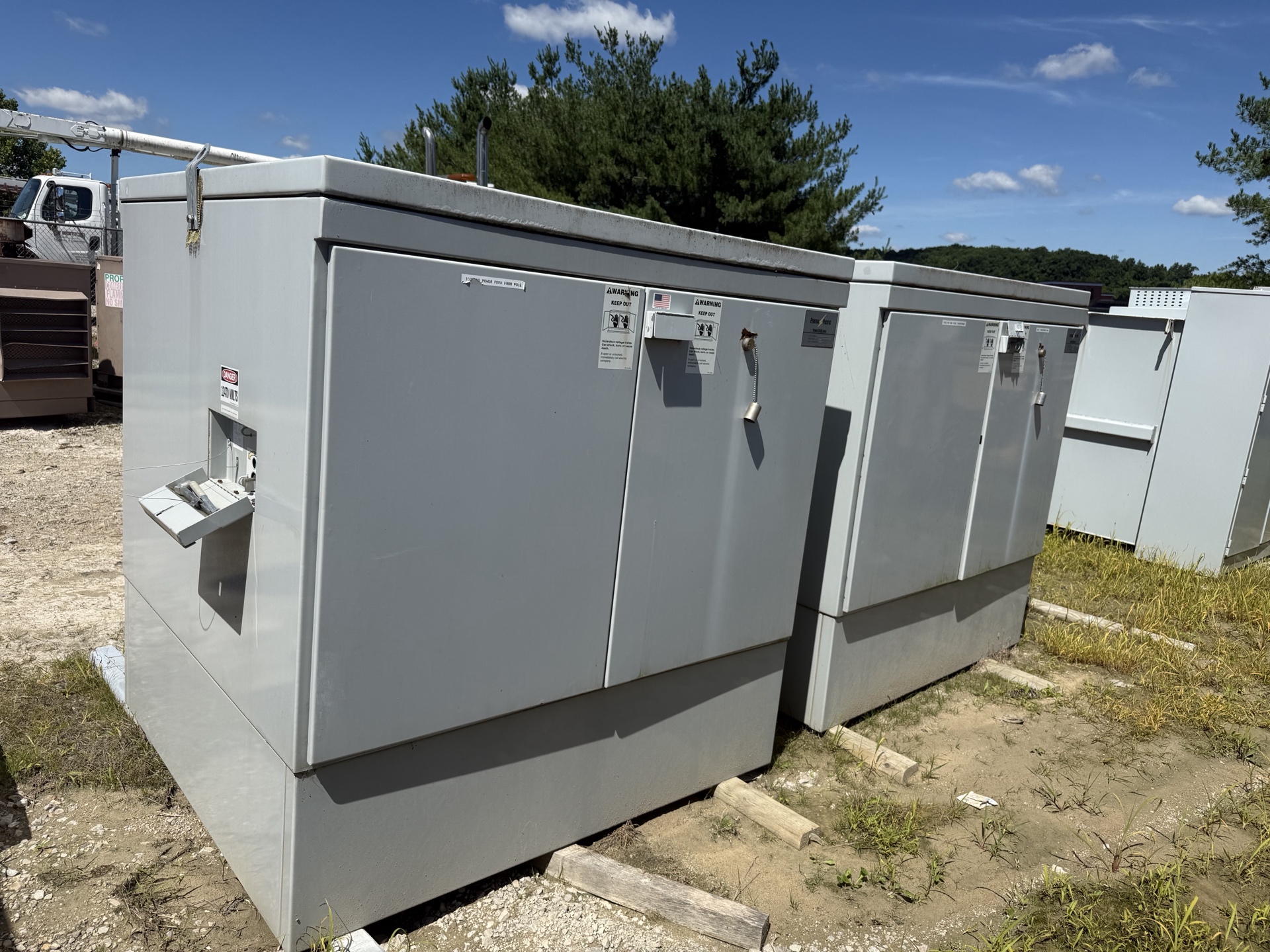
Photographs are optional and should show only safely accessible equipment exteriors or exterior labels and nameplates, taken from site-authorized safe positions. Never open a cabinet or submit internal photographs. Do not approach, touch, operate, test, disconnect, remove, or move energized or potentially energized equipment to gather information. If safe access is unavailable, rely on existing records and describe that limitation instead. Any electrical work, including isolation or disconnection, must be performed only by qualified, authorized personnel under site rules. A purchase assessment is not a reason to change site access controls, enter restricted areas, or ask staff to expose internal components.
Know what a purchase assessment can cover
The independent buyer purchases used, surplus, and decommissioned electrical equipment across all voltage classes, including equipment from decommissioned data centers and shut-down power plants. That broad scope does not establish that a particular MCC or every section will be accepted. The assessment can consider the proposed lineup, records, exclusions, condition information already available, access, and removal requirements. Call out missing sections, uncertain boundaries, or machine controls excluded from the offer request rather than treating them as included. Each offer and acceptance is assessed individually; no particular price, acceptance, or timing is guaranteed. Siemens marking identifies what records say, not an affiliation, endorsement, or promise about lineage.
Agree on scope, payment, and removal responsibilities
For an agreed purchase, the buyer makes a cash offer and pays upfront under the agreed terms. The buyer covers necessary crane, rigging, disconnects, loading, freight, and hauling as part of that purchase arrangement; the seller does not hire or pay a removal crew. Confirm in writing which numbered sections are included, which machine controls are excluded, the agreed purchase terms, access conditions, and the removal boundary before work is scheduled. Disconnects and removal must follow site rules and be performed by qualified, authorized personnel where electrical work is involved. This arrangement concerns the purchased equipment and its agreed handover, not unrelated demolition or hazardous-material remediation.
Make the handover workable without seller preparation
A concise request can include the exact available Siemens markings, both asset-number systems, a section-by-section inclusion list, explicit exclusions, and relevant existing records. Note any known access restrictions or limits on available exterior photographs; do not stage, move, fabricate, open, or test anything for the assessment. After an offer is accepted, coordinate timing and removal access with the site’s authorized contact, subject to site procedures and the agreed scope. If records cannot resolve whether a section belongs in the lineup, flag it for written clarification rather than making a physical check. Smyrna sellers can request an assessment on this basis without arranging a crew, while retaining control of site authorization and safety requirements.