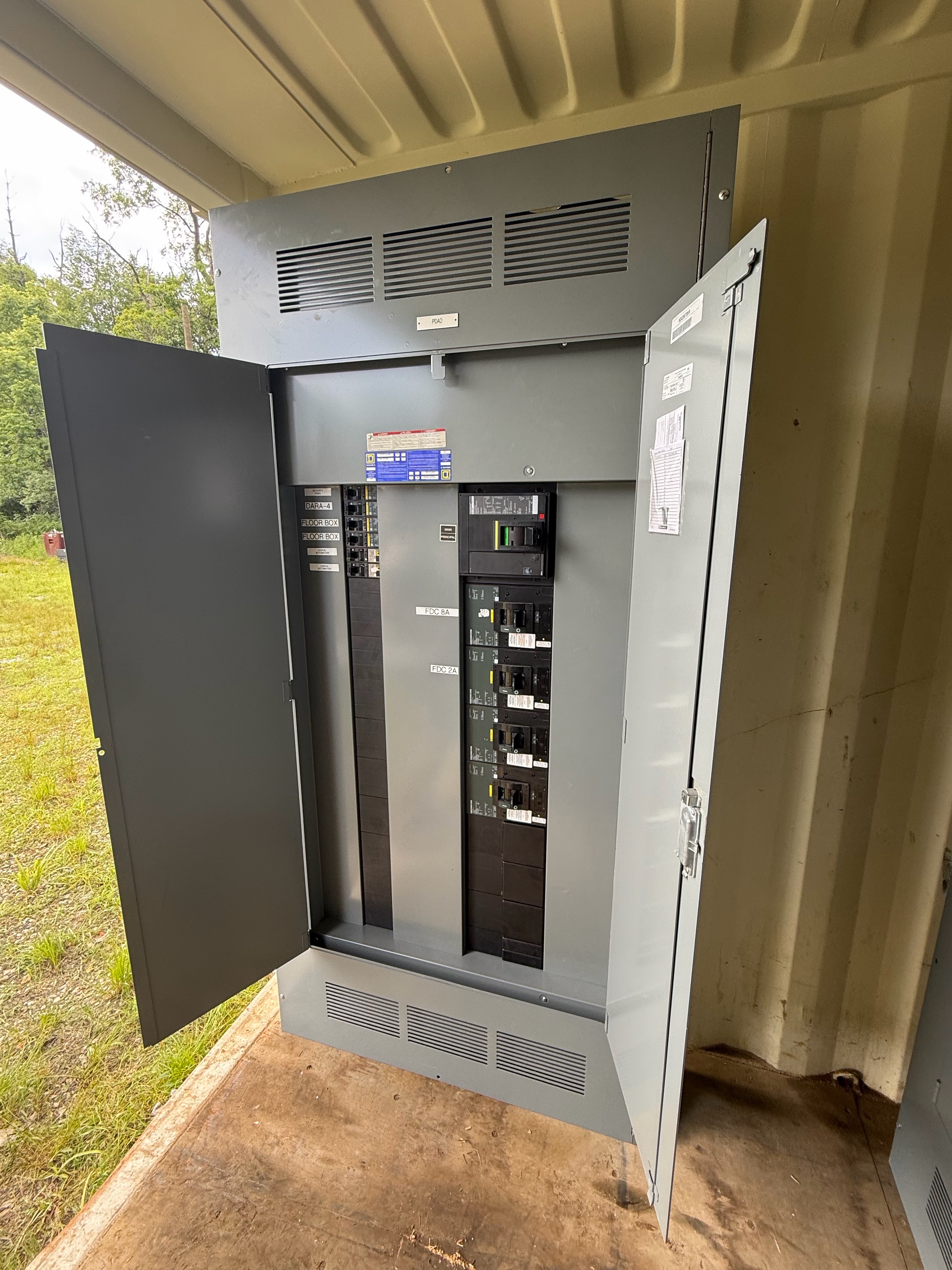
Separate the equipment purchase from demolition scope
Start with a written boundary: identify the specific equipment proposed for purchase and state what remains the owner’s property or belongs to the demolition contractor. A buyer’s equipment removal is not a commitment to demolish buildings, remove foundations, clear general scrap, or remediate hazardous materials. Conversely, the demolition contractor’s scope should not presume that listed electrical assets are available for disposal before ownership and purchase terms are settled. Use equipment identifiers and location references that already exist in site records; do not ask staff to create tags or move items for an assessment. Resolve overlaps with the owner and contractor before either party schedules work.
Establish title and authority to transfer
Confirm who owns each asset and who has authority to approve its sale. Plant owners, landlords, lenders, auction agents, closure managers and contractors may have different roles; a contractor’s possession of a room does not by itself establish authority to transfer equipment. Match proposed assets to available inventories, purchase records, lease terms or written owner authorization where applicable. Record exclusions and disputed items rather than assuming they are included. The buyer reviews each proposed purchase individually, and a list or site visit does not bind either party. Agree in writing on the assets, consideration, payment terms, access conditions and handover responsibilities before work is scheduled.
Use records to describe assets, not guess ratings
Existing asset registers, drawings, maintenance records and safely available exterior nameplate information can help distinguish equipment and flag unknowns. Report a value only when supported by records, keeping nominal system voltage separate from assembly voltage and continuous current, device frame, trip and interrupting ratings. These are not interchangeable, and records may be incomplete, outdated or refer to a different component. Do not infer compatibility, condition or suitability from a voltage label or equipment family. No seller testing is required to request a purchase assessment. If exterior photographs help, provide only images of safely accessible equipment exteriors and exterior labels or nameplates from site-authorized safe positions—never inside a cabinet or with a cabinet open.
Make qualified electrical release a separate gate
Commercial agreement does not authorize electrical work or establish that equipment is safe to handle. Isolation, verification, disconnection and any other electrical work must be performed by qualified, authorized personnel under the site’s rules and applicable procedures. Never approach, touch, open, operate, test, disconnect, remove or move equipment that is energized or potentially energized. The seller should not be asked to test or prepare equipment for a buyer assessment. Establish who will document the site’s required release, who controls access, and how the buyer’s removal crew will receive authorization to begin. If release or access is not confirmed, hold removal and revise the schedule with the responsible site parties.
Coordinate removal without shifting crew costs to the seller
For an agreed purchase, the buyer covers necessary crane, rigging, disconnects, loading, freight and hauling, subject to the written scope and site conditions. The seller does not hire or pay a removal crew. Before confirming a window, align the buyer’s plan with the demolition contractor’s sequence, site access controls, lift restrictions, traffic routes and any owner-required permits or escorts. These are coordination points, not a request for the seller to stage, move or handle equipment. Define who controls work areas and how conflicts are paused and escalated. Buyer-provided removal applies to agreed purchased equipment only; it does not expand the purchase into unrelated demolition or cleanup.
Close out the handoff in writing
Use a concise handoff record listing purchased assets, excluded items, title authority, agreed payment, required qualified release, access window, removal boundary and contacts responsible for coordinating with the owner and demolition contractor. The independent buyer makes cash offers and pays upfront for agreed purchases; the offer amount and removal schedule are individually assessed, with no guaranteed offer or collection date. The buyer considers equipment across all voltage classes, including equipment from decommissioned data centers and shut-down power plants, but that breadth does not guarantee acceptance of a particular asset. Confirm payment and release conditions before dispatch. Document completion against the agreed list so remaining property and demolition scope stay clearly assigned.
DECOMMISSIONING / THE COMPLETE SERVICE
From shut-down site to paid seller.
We buy electrical switchgear from decommissioned data centers and shut-down power plants. We handle all rigging and logistics: crane, rigging, disconnects, loading, freight and hauling are on us. Qualified personnel handle electrical disconnects and isolation according to site safety procedures. The seller does nothing but get paid.
We make cash offers, pay upfront, require no testing from the seller, and buy all voltage classes. Share the site and equipment details you know; photos are helpful only when they can be taken safely. Never open or touch energized equipment or disturb a live installation.