Describe exposure without overstating what it proves
Tell the buyer what site personnel already know: for example, that an area experienced water entry, persistent humidity, heavy dust or visible exterior corrosion. Include the source and approximate period if documented, and distinguish an observed condition from an assumption about internal damage. Do not enter a restricted area to gather details or approach equipment to inspect it. Exposure history can affect assessment, handling plans and whether an asset is suitable for an offer, but it cannot establish electrical condition or predict acceptance. The buyer makes an individual decision based on the available information; an inquiry does not commit either party to a purchase.
Use existing records to clarify identity and uncertainty
Useful records may include available equipment schedules, one-line diagrams, asset registers, maintenance history, prior incident reports and decommissioning documents. Share copies only when authorized, and flag gaps, conflicting entries or unknowns rather than filling them by inference. Keep ratings distinct: nominal system voltage, assembly voltage, continuous-current rating, device frame, trip setting or rating, and interrupting rating are different fields. Report each value only when an existing record supports it; otherwise identify it as unverified. No seller testing or new measurements are required to request an assessment. A buyer may still decline an item if its identity, exposure or removal conditions cannot be responsibly evaluated.
Make a safe, limited visual record
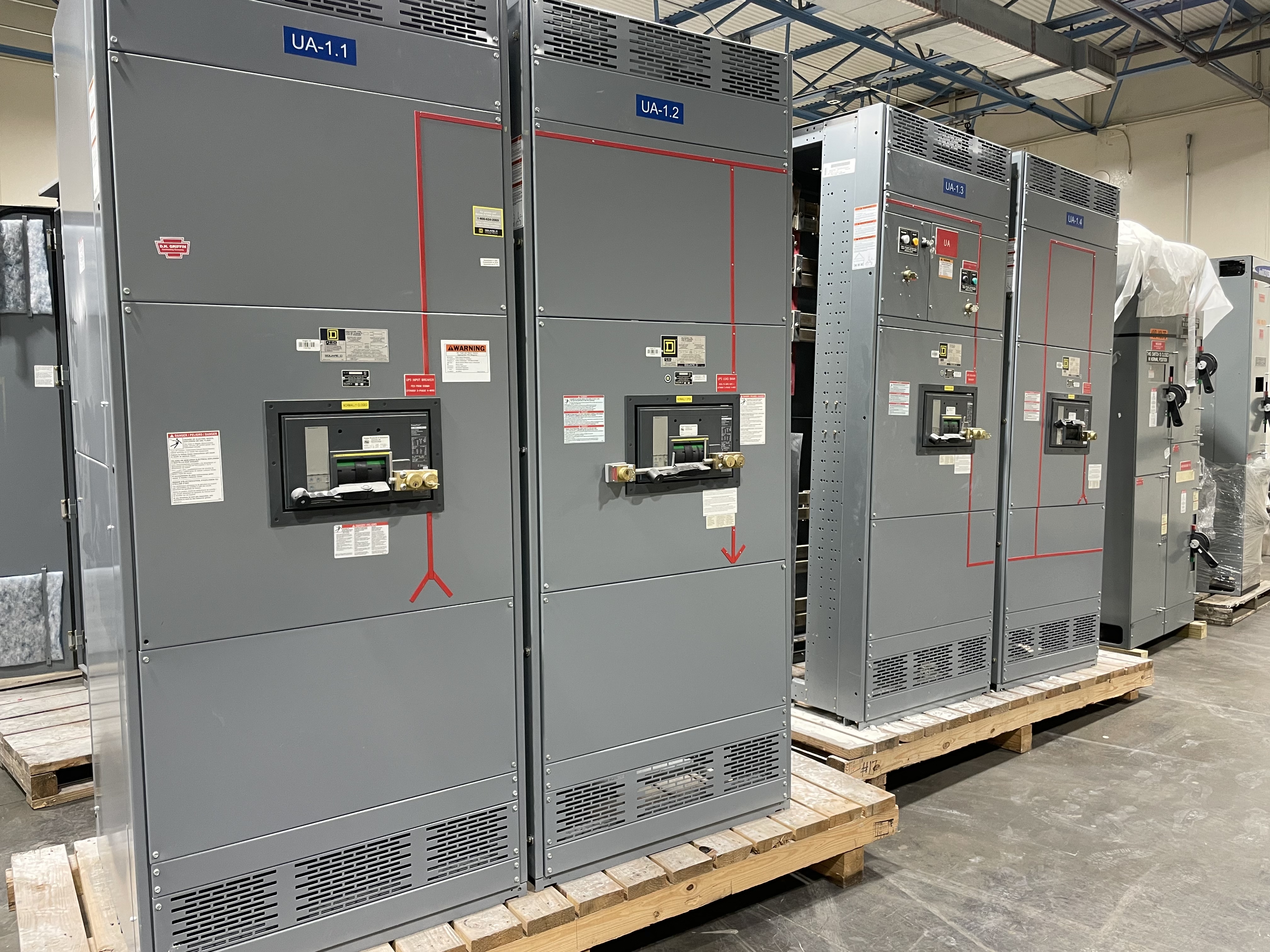
If site rules permit, photographs can show only safely accessible exterior surfaces and exterior labels or nameplates, taken from an authorized safe position. Do not open a cabinet, remove a cover or seek interior views. Never approach, touch, open, operate, test, disconnect, remove or move equipment that is energized or may be energized. Do not ask staff to create access or take a closer image for the inquiry. If equipment cannot be photographed safely, say so and rely on records or a site-approved description. Photos can support identification and planning; they are not diagnostic evidence and do not substitute for qualified electrical review.
Set boundaries around the proposed transaction
For equipment the buyer agrees to purchase, the buyer covers necessary crane service, rigging, electrical disconnect work, loading, freight and hauling as defined in the purchase arrangement. The seller is not expected to hire a removal crew or pay one for that agreed work. Electrical tasks remain under the control of qualified, authorized personnel following the site’s safety procedures, access controls and required approvals. The buyer makes a cash offer and pays upfront for an agreed purchase, with payment and handover details confirmed between the parties before work is scheduled. These terms apply to an accepted transaction, not to every asset submitted for consideration.
Plan access around closure controls and exclusions
A restricted plant may require escorted access, permits, operating-area coordination or a defined route and work window. Identify these conditions early, along with known access limits and who has authority to approve entry and electrical work. Do not change a boundary, remove a barrier or prepare equipment for pickup. The buyer and site representatives can clarify whether a safe, authorized handover is feasible before agreeing on scope. A switchgear purchase is separate from unrelated building demolition, general plant clearance and hazardous-material remediation; those services should not be assumed. If exposure creates a concern beyond equipment removal, the facility must arrange the appropriate site response independently.
Decide what can be handed over responsibly
Before acceptance, align the asset description, available records, disclosed exposure, access rules, included work and payment arrangements. State plainly what remains unknown, such as the extent of internal corrosion or whether a record reflects the installed configuration. The buyer may offer for some items, request clarification, or make no offer; neither price nor timing is guaranteed. If an agreement is reached, schedule removal only after required authorizations and site planning are complete. No seller staging or preparation is required merely to seek an assessment. This measured approach lets a Georgia closure team consider a potential sale without turning uncertainty into a condition claim.
DECOMMISSIONING / THE COMPLETE SERVICE
From shut-down site to paid seller.
We buy electrical switchgear from decommissioned data centers and shut-down power plants. We handle all rigging and logistics: crane, rigging, disconnects, loading, freight and hauling are on us. Qualified personnel handle electrical disconnects and isolation according to site safety procedures. The seller does nothing but get paid.
We make cash offers, pay upfront, require no testing from the seller, and buy all voltage classes. Share the site and equipment details you know; photos are helpful only when they can be taken safely. Never open or touch energized equipment or disturb a live installation.