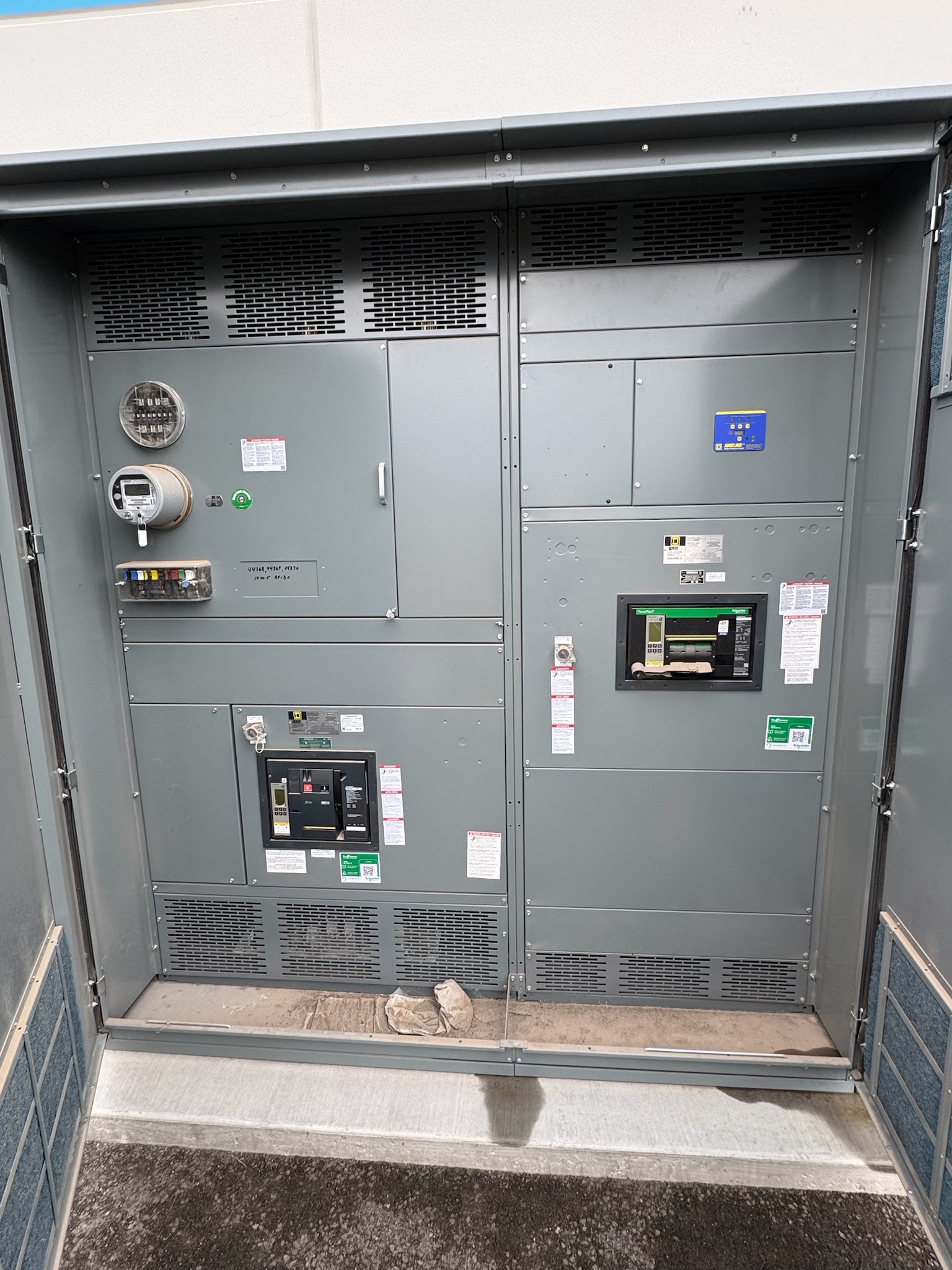
Identify the assembly before naming the equipment
Metal-enclosed switchgear is an assembly in a metal enclosure; the term alone does not establish that it is metal-clad. Metal-clad is a distinct type, so do not apply that label merely because an assembly has a metal cabinet or contains drawout breakers. Check existing equipment schedules, drawings, invoices, or nameplates for the designation used by the original documentation. If records disagree, preserve the conflicting descriptions and let the assembly be reviewed as identified rather than revising labels based on appearance. A cautious description is more useful than a confident but unsupported classification.
Describe what is included—and what is not
Define the proposed sale by listing the assembly and its identifiable sections, then state whether associated breakers, bus components, control equipment, or loose parts are included. An assembly’s enclosure, a breaker, and a bus component are not interchangeable descriptions. For example, a schedule may identify a lineup while an inventory lists several breakers separately; ask whether both records refer to the same sale or different assets. Note exclusions, such as controls or spare parts retained by the owner. Clear boundaries help prevent a review of one item from being mistaken for an offer covering the entire lineup.
Record nameplate details safely
Document information already available in records, such as manufacturer, type designation, nominal voltage, and listed ratings, without inferring missing specifications. A breaker’s rating is not automatically the assembly’s rating, and a trip designation should not be substituted for either. If photographs are useful, take them only of safely accessible exterior nameplates and equipment, from authorized safe positions. Never approach, open, touch, operate, or test equipment to obtain a detail or image. If a label cannot be read safely, mark the field unknown and share any existing paperwork instead.
Share known condition without testing
Summarize condition from existing inspection records, maintenance history, or visible information already obtained safely. Distinguish documented facts from reports or uncertainty: for instance, “breaker listed as removed in the inventory” is different from a verified statement about its present condition. Note known missing sections, incomplete records, prior storage, or a stated service history where available. Seller testing is not required, and the review does not depend on creating new test results. Do not operate equipment to confirm status. Assets and offers are assessed individually, so honest limits on what is known help frame the review.
Resolve voltage and rating questions with records
We consider equipment across all voltage classes, but a voltage label by itself does not establish suitability, completeness, condition, or value. Share the recorded nominal voltage and ratings as written, including the component they apply to, and flag any uncertainty about whether a figure describes a breaker or the assembly. If a lineup contains sections with differing labels, keep each association intact rather than combining figures into one summary. No seller calculation or electrical inspection is needed to make an initial inquiry. Qualified, authorized personnel must handle any electrical work under site rules.
Plan handling around the actual lineup
Switchgear assemblies can present different removal and transport requirements depending on their configuration, access, and site conditions. Provide available information about section count, approximate dimensions or weight from records, doorways or route restrictions, loading access, and any known rigging constraints. Do not move, disconnect, or prepare equipment yourself to improve access or gather measurements. If a sale proceeds, we cover disconnects, crane and rigging, loading, freight, and hauling, with the work coordinated for the specific assets and site. These details inform planning; they do not establish acceptance or a pickup timetable.
Request a review with clear ownership and scope
For an inquiry, send the asset list, available records, safe exterior photographs if available, and a concise statement of what is included and excluded. Confirm that the seller owns the equipment or has authority to sell it, and identify any approvals still needed. We buy used, surplus, and decommissioned equipment and can make cash offers with payment upfront; each asset and offer is assessed individually, with no guaranteed acceptance or price. A useful submission answers what the assembly is, what accompanies it, what is known, and who can authorize the sale—without seller testing or preparation.