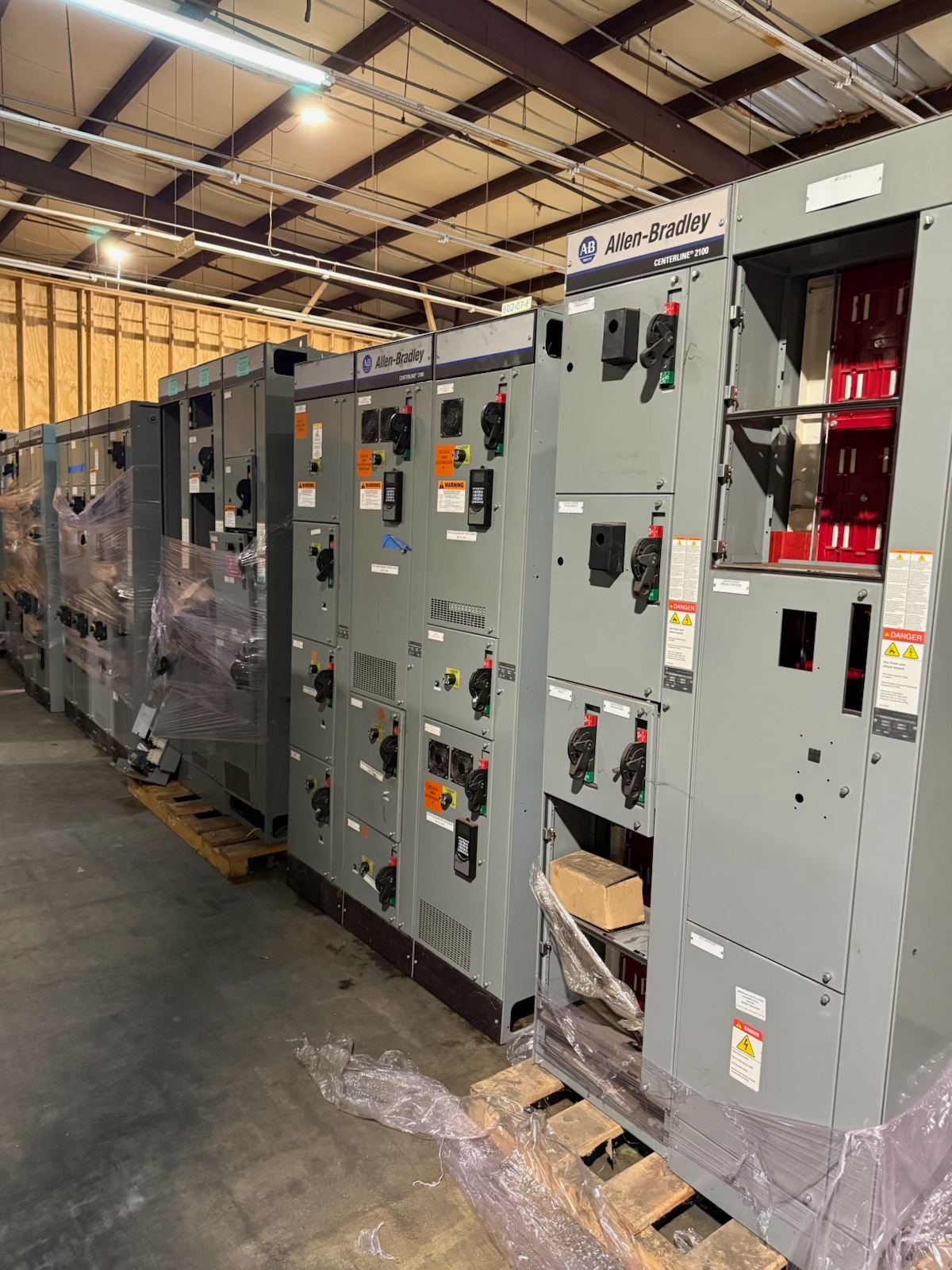
Define the switch being considered
Start with the equipment identity that can be established without disturbing it: the exact Eaton wording and other markings visible on an exterior nameplate, plus the location or asset tag recorded by the site. If safe and authorized, provide photographs of the accessible exterior and exterior labels only, taken from a site-approved safe position. Do not open a cabinet or take interior photographs. Do not approach, touch, operate, test, disconnect, remove or move equipment that is energized or may be energized. These limits matter even when the facility describes a unit as retired; its electrical status must be determined and managed by qualified authorized personnel under site rules.
Keep records distinct from condition claims
Useful existing records may include an asset register entry, purchase or maintenance documents, prior service notes, a decommissioning record, and records identifying the equipment’s present custodian. Share only what is available; no new measurements, seller testing, or preparation are needed to request a purchase assessment. A document can support a marking or recorded rating, but it does not establish present function, completeness, or suitability for another installation. If records state ratings, preserve their labels and context: nominal system voltage is not the same as assembly voltage, continuous current, device frame, trip rating, or interrupting rating. Do not infer missing values from appearance or a brand marking.
Consider the backup equipment separately
A transfer switch may be offered while generators and associated equipment remain in service, are retained, or are considered under a separate decision. Make the proposed boundary explicit in existing asset records or an authorized site contact’s description: which identified switch is under review, what equipment stays, and what access or release conditions apply. This helps avoid treating the generator, controls, cabling, or other site assets as included without agreement. It also avoids claiming that the switch works, is compatible with retained equipment, or can be reused. An independent buyer purchases used, surplus, and decommissioned electrical equipment across all voltage classes, including from decommissioned data centers and shut-down power plants; each asset is assessed individually.
Set the offer and handover terms
For an agreed purchase, the buyer makes a cash offer and pays upfront under the agreed terms. Each offer and acceptance is assessed individually, so neither a particular offer nor a schedule is guaranteed. When a purchase is agreed, the buyer covers the necessary crane, rigging, disconnects, loading, freight, and hauling associated with that purchase; the seller does not hire or pay a removal crew. These arrangements do not authorize work at the site by themselves. Disconnects and all other electrical work must be handled only by qualified, authorized personnel following site rules, access controls, and the facility’s release process. Do not perform or arrange handling of energized or potentially energized equipment through an informal handover.
Clarify exclusions before release
Agree in writing on the asset identification, purchase boundary, payment terms, access approval, responsible site contacts, and the planned handover. State that backup-generation equipment is excluded if it remains on site, unless a separate purchase is expressly agreed. A purchase assessment is not a commitment to accept the switch, its accessories, or other equipment. It does not include unrelated demolition or hazardous-material remediation. If ownership, release authority, records, or site access are unclear, resolve those questions through the responsible parties before any transfer. A seller need not stage or fabricate the unit for review; the site’s authorized personnel control access and any work required for safe release.
Prepare a safe assessment request
For an initial review, provide the city, available make and exact exterior markings, any existing records that distinguish the switch from retained generation equipment, and known release constraints. Exterior photos are optional and should be limited to safely accessible equipment surfaces and exterior nameplates, taken only from positions authorized by the site. If a safe view is unavailable, rely on existing records instead; never open a cabinet or approach equipment to improve a photo. The buyer can assess the information and discuss whether to make an offer. No seller testing is required. Any next steps, payment, and removal logistics apply only if both parties agree to a purchase and the site authorizes safe work.