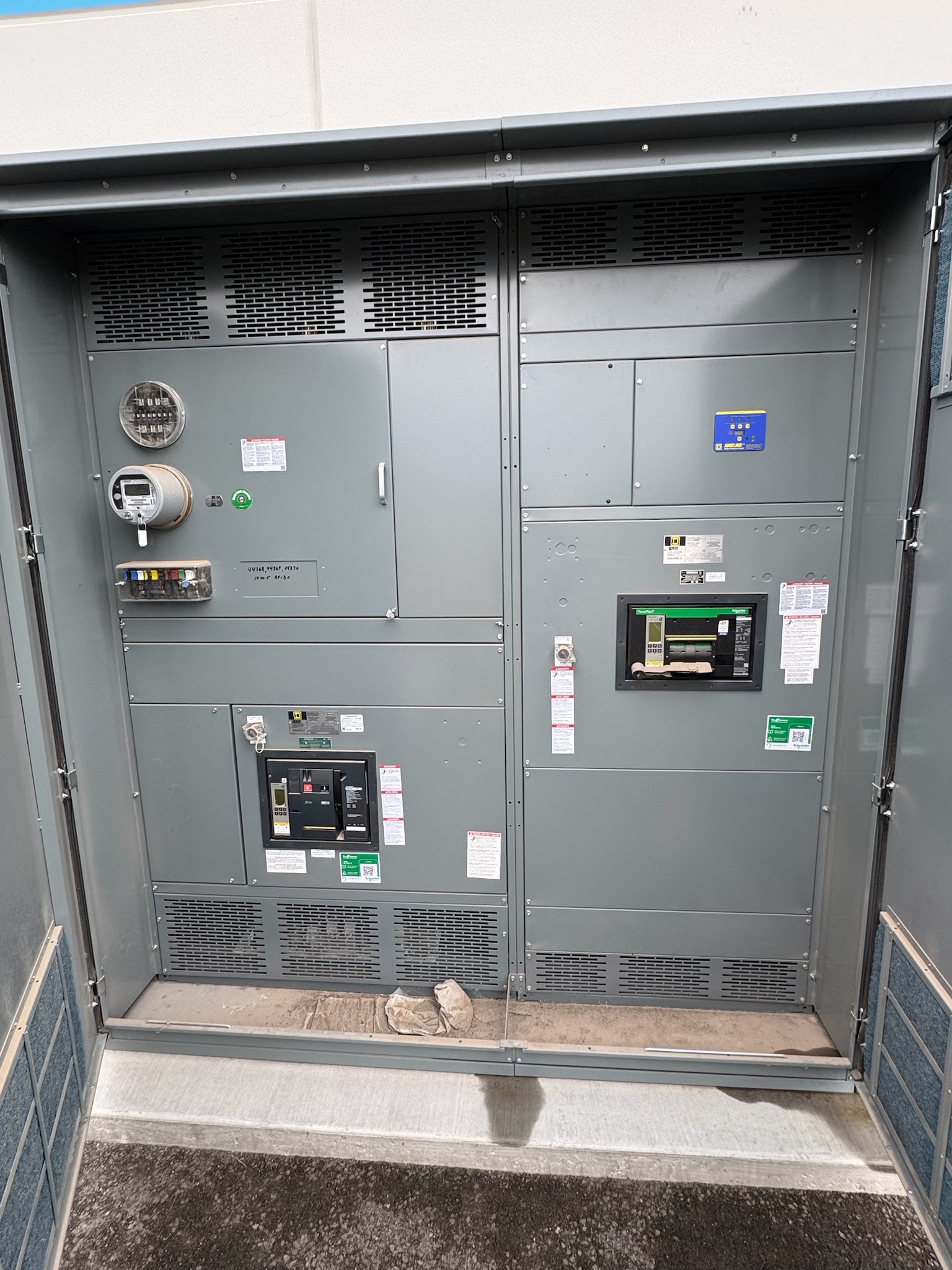
Define the asset boundary before requesting an offer
Transformer secondary switchgear can be a standalone sale candidate even when the associated transformer is retained, already transferred, or outside the decommissioning scope. Identify the switchgear by location or asset tag and state plainly whether the transformer, connecting conductors, protection devices, control equipment, or other adjacent gear are excluded. A decommissioning list may group these items together; confirm the intended boundary with the asset owner and project authority. A buyer can assess only what the seller is authorized to transfer. This distinction helps avoid assumptions about ownership, removal responsibility, or an offer covering equipment that is not actually available.
Separate system descriptions from equipment ratings
Use existing records rather than deriving ratings from a transformer’s nameplate or a site’s nominal system voltage. If documented, provide nominal system voltage separately from the switchgear assembly voltage rating and continuous-current rating. Record device frame, trip, and interrupting ratings as distinct fields when reliable documents identify them; do not treat one as a substitute for another or infer compatibility. Useful records may include approved one-line diagrams, schedules, nameplate transcriptions, and prior asset inventories. If a value is absent, conflicting, or unclear, mark it unknown. No seller testing, measurement, or new technical verification is required to request an assessment.
Make the record set useful without creating new work
Share available information such as manufacturer and model markings, quantity of sections, approximate dimensions if already documented, known storage or service status, and the planned disposition date if established. Note missing doors, visible damage, incomplete records, or known exclusions only when those facts are already available; do not inspect the interior to fill gaps. Photos should show only safely accessible equipment exteriors and exterior labels or nameplates, taken from site-authorized safe positions. Never open a cabinet or take interior photographs. If access is restricted, records are incomplete, or equipment status is uncertain, say so; a preliminary review can proceed with those limitations stated.
State exclusions and unresolved conditions directly
Clarify whether the sale excludes the transformer, bus or cable beyond defined connection points, protection relays, spare parts, foundations, and unrelated electrical equipment. Identify any ownership hold, lien, utility restriction, or site approval still awaiting resolution, where known. A buyer may decline an asset or revise an assessment after reviewing scope and available records, so an inquiry is not a commitment to purchase. Offers and acceptance are assessed individually, and neither price nor timing is guaranteed. The buyer purchases used, surplus, and decommissioned equipment across all voltage classes, including equipment from decommissioned data centers and shut-down power plants, subject to review.
Plan a controlled handover and removal
Once the secondary switchgear purchase is agreed, the buyer funds necessary disconnects, crane work, rigging, loading, hauling and freight. The seller does not hire or pay a removal crew. Confirm access windows, lift constraints, loading-area rules, permits, and coordination contacts through the site’s authorized process before scheduling. All electrical work, including isolation and disconnects, must be performed by qualified, authorized personnel under applicable site rules. Never approach, touch, open, operate, test, disconnect, remove, or move equipment that is energized or potentially energized. Do not arrange access or handling that conflicts with the site’s safety controls or ownership requirements.
Request review without promising the asset
A concise inquiry can include the equipment identifier, available records, explicit transformer exclusion, known ownership status, and the site contact authorized to coordinate a review. Describe uncertainty rather than making unsupported claims about operating condition or suitability. There is no need to test, measure, stage, fabricate, or prepare the switchgear for a request. The buyer makes cash offers and pays upfront for purchases that are agreed, with payment and handover details confirmed for that transaction. Removal support applies only to the agreed purchase scope; it does not include unrelated demolition or hazardous-material remediation. Final acceptance depends on the individual assessment and agreed terms.