Define the offered busway sections
Where an overhead run crosses an area intended to remain in service, the proposed sale needs a precise, authorized scope rather than a broad description such as “the busway.” Have qualified personnel with site authorization identify which sections, associated components, and accessible ends are included, and which are excluded. Do not approach, touch, open, operate, test, disconnect, remove, or move equipment that is energized or potentially energized. The buyer can assess the defined offer, but cannot assume a boundary, separation point, or safe removal method from a photo or a general location description.
Read markings as evidence, not a specification
Record only what existing exterior labels and nameplates actually show, preserving wording, punctuation, and legible identifiers. A marking associated with Eaton does not establish manufacturer affiliation, product origin, equipment family, present condition, or compatibility. Do not infer a busway rating from a nearby panel, building service, or another section in the run. If a label is partly obscured or unreadable from a safe position, note that limitation instead of accessing the equipment or opening a cabinet. The buyer evaluates the available evidence individually and may leave unresolved details as unknown.
Use existing records and keep rating categories separate
Useful records may include available asset lists, prior purchase documents, drawings, maintenance records, or authorized removal plans; none needs to be newly fabricated for an initial assessment. If records state ratings, keep nominal system voltage distinct from assembly or equipment voltage, and continuous current distinct from any device frame, trip, or interrupting rating. Do not transfer values from one item to another or treat a drawing as confirmation of present configuration. When records conflict or do not identify the offered sections, disclose the discrepancy; no seller testing or measurement is required.
Make a safe, limited photo record
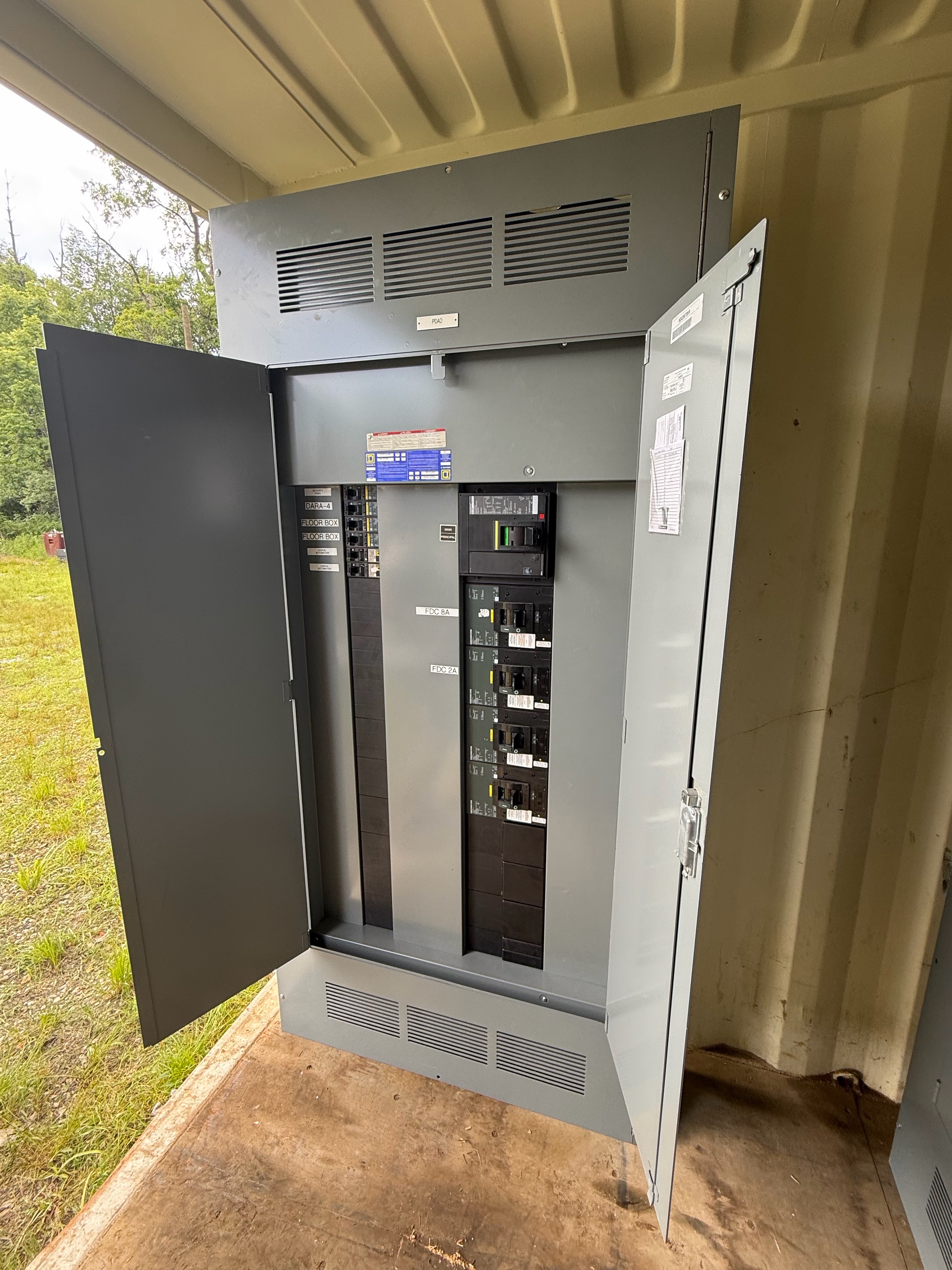
Photos are optional and must be taken only from site-authorized safe positions, showing safely accessible equipment exteriors and exterior labels or nameplates. Never enter a restricted area, approach equipment to improve a picture, open a cabinet, or photograph internal components. Do not take photos if doing so would put anyone near energized or potentially energized equipment. A wide exterior view may help explain where the proposed section lies relative to retained space, while readable label images can support an item description. If safe access is not available, use existing records or leave the point undocumented.
State what is included and what remains unknown
For a useful review, describe the proposed sections by existing identifiers, broad location, and any known scope boundaries supplied by authorized site personnel. List records or exterior markings available, and call out gaps such as missing identifiers, uncertain boundaries, or unclear ownership. Note retained equipment and site access constraints without asking staff to stage, move, disconnect, or prepare anything. Equipment of all voltage classes is considered for purchase, including equipment from decommissioned data centers and shut-down power plants; that does not guarantee acceptance. Each offer and acceptance is assessed individually, with no promised price or timing.
Agree on removal responsibilities before work
If a purchase is agreed, the buyer covers the necessary crane, rigging, disconnects, loading, freight, and hauling under that agreement. The seller does not hire or pay a removal crew. Electrical work and any disconnects must be performed only by qualified, authorized personnel under applicable site rules; seller personnel should not handle the equipment. The parties must confirm scope, access, responsibilities, and handover arrangements before removal. This purchasing arrangement is not a promise of demolition, building work, or hazardous-material remediation, and an assessment alone does not authorize access or removal.
Request an assessment without preparing equipment
Share the location near Villa Rica, the exact exterior markings that can be safely read, the proposed sections as established by authorized site personnel, and relevant records already available. Identify any access restrictions and retained production area so the buyer can consider logistics and boundaries. No seller testing, opening, measuring, staging, fabrication, or equipment preparation is required to request a review. The buyer makes cash offers and pays upfront for agreed purchases. Whether an offer is made, what it covers, and when handover can occur depend on an individual assessment and mutual agreement.