Start with the access window, not a pickup promise
For a restricted dock, provide the hours when an outside crew may enter, any booking lead time, check-in procedure, escort requirements and known blackout periods. Clarify whether the window is for vehicle arrival only or also covers loading, since those may be separate permissions. Identify the person authorized to confirm access and a backup contact if site rules allow one. A proposed appointment remains subject to assessment of the equipment, transport and site arrangements; it is not a guaranteed collection date. Do not reserve labor or promise dock access on the buyer’s behalf. An early, accurate picture of the window can prevent an unsuitable plan from advancing.
Describe restrictions without preparing the equipment
Report applicable dock constraints using existing site information: appointment duration, vehicle booking limits, permitted arrival periods, check-in rules, loading-bay availability and any restrictions on outside contractors. If the dock cannot be used for a particular move, state that plainly and identify whether another authorized loading point or access process may be considered. The seller need not stage, reposition, disconnect or prepare switchgear to request an assessment. Do not approach, touch, open, operate, test, disconnect, remove or move energized or potentially energized equipment. Any electrical work, if later authorized and required, must be performed only by qualified, authorized personnel under site rules.
Share records and separate known facts from unknowns
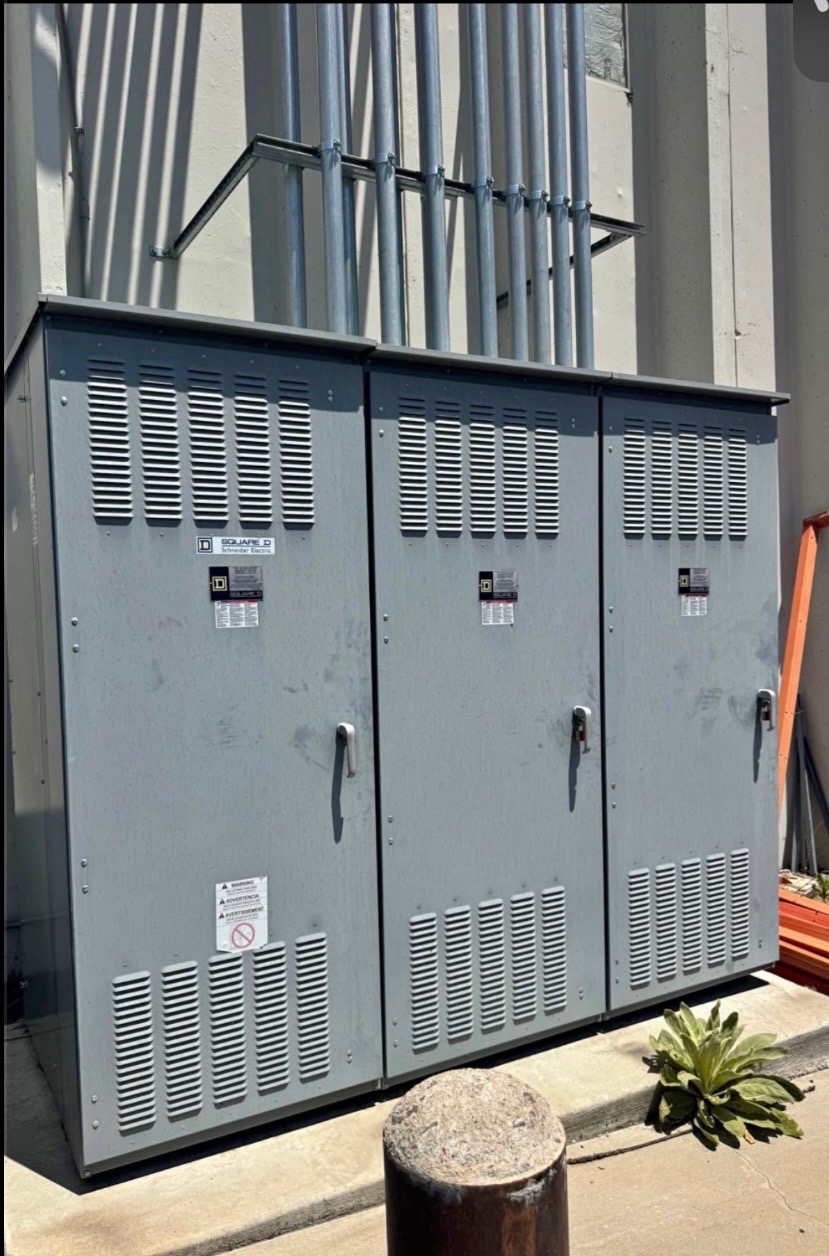
Useful information may include existing asset lists, drawings, purchase or maintenance records, inventory descriptions, and site documentation that can lawfully be shared. Report stated voltage values as recorded and keep nominal system voltage distinct from assembly voltage; likewise, distinguish continuous current, device frame, trip and interrupting ratings rather than treating them as interchangeable. Do not infer missing values or compatibility. If a record is absent, outdated or unverified, mark it unknown. For visual context, send photographs only of safely accessible equipment exteriors and exterior labels or nameplates, taken from site-authorized safe positions. Never open a cabinet or provide internal photographs. No seller testing is required.
Discuss loading logistics and who pays
Explain known dock rules that could affect a handover, such as approved vehicle types, arrival check-in, loading-hour limits, required escorts, or restrictions on where a vehicle may wait. Do not arrange a crew, crane or transport as a condition of requesting an assessment. Under an agreed purchase, the buyer covers the necessary crane, rigging, disconnects, loading, freight and hauling, subject to site authorization and the agreed scope; the seller does not hire or pay a removal crew. The buyer makes cash offers and pays upfront for agreed purchases. Each offer, acceptance and logistics plan is assessed individually, with no guaranteed price or timing.
Keep alternatives conditional and within site authority
If the primary dock window is too narrow or unavailable, describe only alternatives the site may authorize, such as a different booking period, another approved loading point, or a revised access sequence. These are possibilities for discussion, not promises that a particular route or date can be accommodated. Confirm who can approve a change and whether site rules require advance review of personnel or vehicles. Do not use an unapproved entrance, create a temporary staging area, or ask staff to shift equipment. Any alternative must be evaluated against the agreed purchase scope, safe access, transport needs and site permissions before a handover is scheduled.
Define the handover boundary before confirming a date
Before treating an appointment as firm, align the authorized time window, site contact, check-in method, loading restrictions, access permissions and responsibility for the agreed removal work. State what equipment is included in the proposed purchase and what remains outside its scope. A switchgear purchase assessment does not imply acceptance of every asset, demolition of surrounding structures, or hazardous-material identification or remediation. The buyer purchases used, surplus and decommissioned electrical equipment across all voltage classes, including equipment from decommissioned data centers and shut-down power plants; each asset is assessed individually. Until the parties agree on the purchase and handover plan, avoid representing a collection date as confirmed.