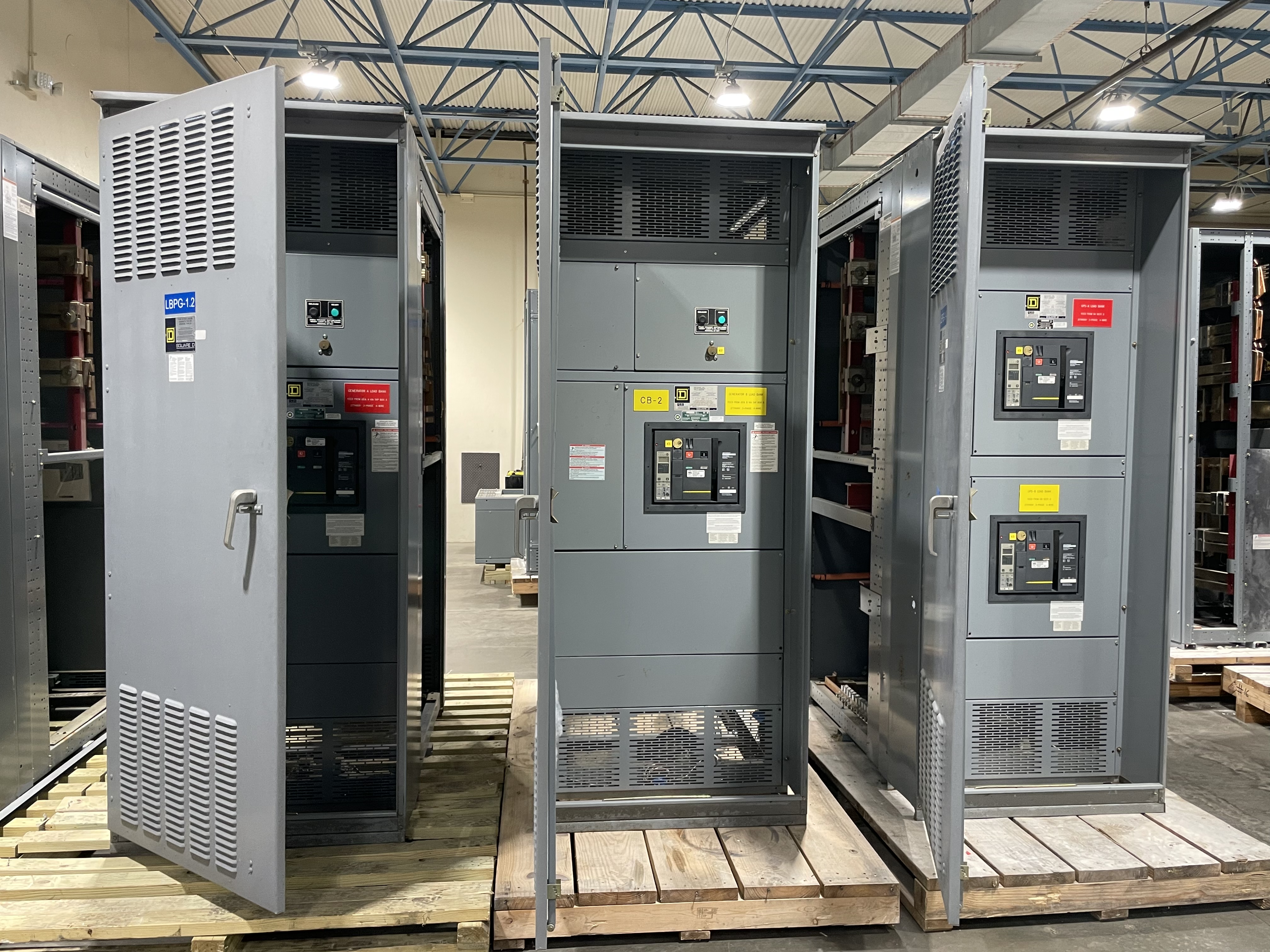
Separate the surplus decision from live operations
A closure boundary does not establish that switchgear is isolated: shared buswork, control circuits, feeders, backfeeds or adjacent compartments may still serve operating systems. Do not approach, touch, open, operate, test, disconnect, remove or move equipment that is energized or potentially energized. First have the site’s qualified, authorized electrical personnel determine what may be considered for sale under site rules; the buyer does not direct site electrical work. If the boundary or status is uncertain, pause the assessment and provide only records already available. A purchase review can begin without asking the seller to test, measure, stage or fabricate anything.
Use records to describe what is known
Useful existing information may include asset lists, drawings, maintenance records, prior inspection reports and exterior nameplate details. Keep ratings distinct: nominal system voltage is not necessarily the switchgear assembly voltage, and continuous current, device frame, trip setting or rating, and interrupting rating are different values. Record each only when supported by documentation or a safely readable exterior label; note missing or conflicting information rather than estimating. Photos should show only safely accessible equipment exteriors and exterior labels or nameplates, taken from site-authorized safe positions. Never open a cabinet or take internal photographs. Photos are optional where access is not authorized or safe.
Describe the boundary and exclusions plainly
Explain which lineup or equipment is proposed for assessment, what remains in operation, and where the site’s ownership or removal boundary lies, using existing documents where possible. Identify known exclusions such as shared sections, operating gear, control equipment or assets belonging to another party; uncertainty should be stated, not resolved by seller handling. A buyer may decline equipment or request clarification before making an offer, and an initial discussion is not acceptance. An equipment purchase does not include unrelated demolition or hazardous-material remediation. Do not represent that surrounding systems are isolated, compatible with the proposed sale, or available for removal unless authorized site personnel and records establish that scope.
Request a case-by-case cash offer
Send the available description, records and safe exterior photos for an individual review. The buyer makes cash offers and pays upfront for purchases that both parties agree to; no price or removal date is guaranteed before the specific terms are assessed and accepted. No seller testing is required, and missing ratings or unknown condition should be disclosed rather than investigated by the seller. The buyer considers used, surplus and decommissioned switchgear across all voltage classes, including equipment from decommissioned data centers and shut-down power plants. That broad scope does not promise acceptance of a particular asset, configuration or incomplete lineup.
Plan a controlled handover around active systems
For an agreed purchase, the buyer covers necessary crane, rigging, disconnects, loading, freight and hauling under the agreed scope; the seller does not hire or pay a removal crew. Confirm access windows, site induction, escort requirements, vehicle routes, lifting restrictions and boundaries with the site before scheduling. All electrical work must be performed by qualified, authorized personnel under site rules. Do not ask the seller’s staff to disconnect, rack out, lift, stage or move equipment. If active systems constrain access or the authorized work window, the parties must resolve logistics before acceptance or collection; no removal date should be assumed until agreed.
Keep the handoff conditional and documented
Before committing, align the written purchase terms with the identified assets, exclusions, payment arrangement, access conditions and responsibility for the agreed removal logistics. Record any uncertainty about ownership, labels, condition or boundary so it is not mistaken for a verified fact. Site authorization remains necessary for access and all electrical work, even after a purchase is agreed. If safe exterior information is unavailable, defer photos and rely on existing records or a site-approved description. The buyer’s review is an assessment, not a promise to buy every listed item or to clear the site. Do not proceed with handling where equipment may be energized or site rules do not authorize it.