Separate inventory from authority to sell
A site-wide inventory is useful for seeing the possible scope: equipment locations, identifiers already recorded, and which organization appears to control each asset. It can also prevent a common administrative mistake—treating access to a room or responsibility for site operations as proof of ownership. Mark each item’s ownership status as confirmed, pending, or disputed, and identify the person authorized to approve a sale for that entity. The buyer can review a coordinated list, but offers and acceptance are assessed individually; approval for one owner’s equipment does not authorize another owner’s sale.
Choose a workable approval path
Two approaches can suit shared ownership. A consolidated inventory offers one view of the site and may help coordinate review, while separate seller approvals preserve each entity’s authority over its own assets. A coordinator can gather records and route proposed terms without representing that they can bind all owners. Before acceptance, clarify the seller named for each asset, approval authority, and any required internal or third-party consent. If an item’s ownership or sale authority remains unresolved, keep it out of the agreed purchase until the responsible parties clarify it.
Use existing records, and label uncertainty
Useful records may include asset registers, prior project schedules, maintenance documents, drawings, and exterior nameplate details already captured safely. Record what the documents actually establish and flag missing or conflicting information rather than filling gaps with assumptions. Keep nominal system voltage distinct from assembly voltage, continuous current, device frame, trip rating, and interrupting rating; one value cannot stand in for another. A buyer can assess available information without asking the seller to test equipment, measure ratings, fabricate a list, or verify uncertain details. A record review does not guarantee an offer or acceptance.
Keep the review and photos safely limited
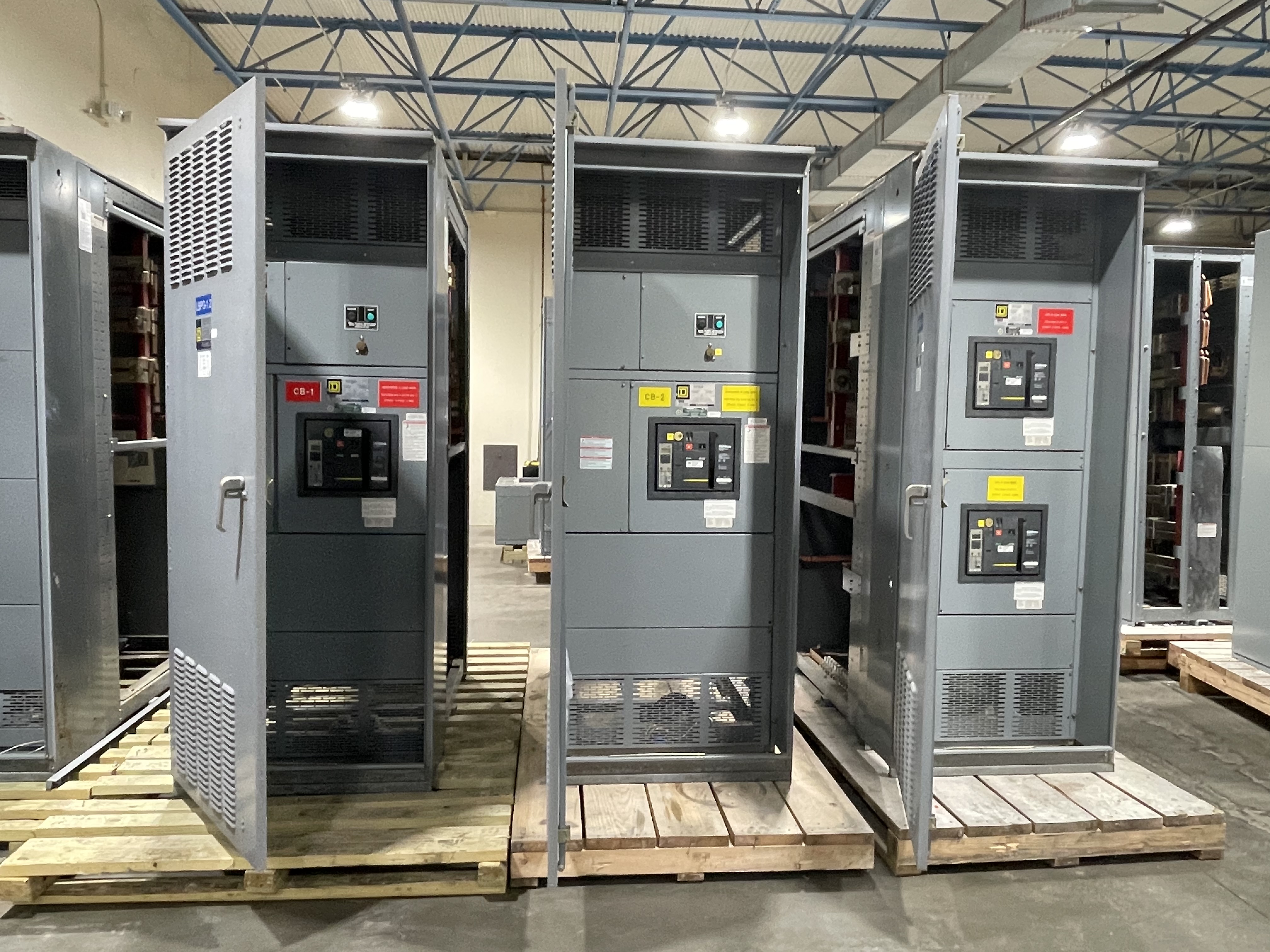
No seller testing is required to request a purchase assessment. Do not approach, touch, open, operate, test, disconnect, remove, or move energized or potentially energized switchgear. Any electrical work, if separately authorized and necessary under the site’s process, must be performed only by qualified, authorized personnel under site rules—not as a seller task for this inquiry. If photos are appropriate, limit them to safely accessible equipment exteriors and exterior labels or nameplates, taken from site-authorized safe positions. Never open a cabinet or photograph its interior; a lack of photos need not stop an initial records-based discussion.
Define what the purchase does—and does not—cover
The buyer considers used, surplus, and decommissioned electrical equipment across all voltage classes, including equipment originating from decommissioned data centers and shut-down power plants. That scope does not mean any particular asset will be accepted. A cash offer and upfront payment apply to an agreed purchase, with the items, seller, terms, and handover scope assessed individually. Do not treat a switchgear purchase as a commitment to demolish structures, clear unrelated property, or remediate hazardous materials. Identify excluded items and responsibilities in the proposed scope so no party assumes those services are included.
Plan removal without shifting crew costs to the seller
For an agreed purchase, the buyer covers necessary crane, rigging, disconnects, loading, freight, and hauling under the agreed scope; the seller does not hire or pay a removal crew for that work. Coordinate access, site rules, scheduling contacts, and any required approvals before handover. Electrical disconnects and other electrical work must be performed only by qualified, authorized personnel under site rules. The seller should not arrange hands-on removal or prepare equipment. Specific logistics depend on the agreed items and site conditions; no offer, acceptance, removal date, or timing is guaranteed.
Make a clear, low-burden inquiry
A practical first inquiry can identify the Appling County site generally, list equipment as described in existing records, distinguish confirmed ownership from pending approval, and name the contact coordinating each seller’s decision. Share available documents and only permitted exterior photos; avoid sending material that exposes restricted information or requires unsafe access. State known exclusions and questions openly. The buyer can assess the information and make an individual cash offer if appropriate. Acceptance, payment, and handover terms require agreement; a coordinator’s request alone does not bind an asset owner or guarantee a purchase.