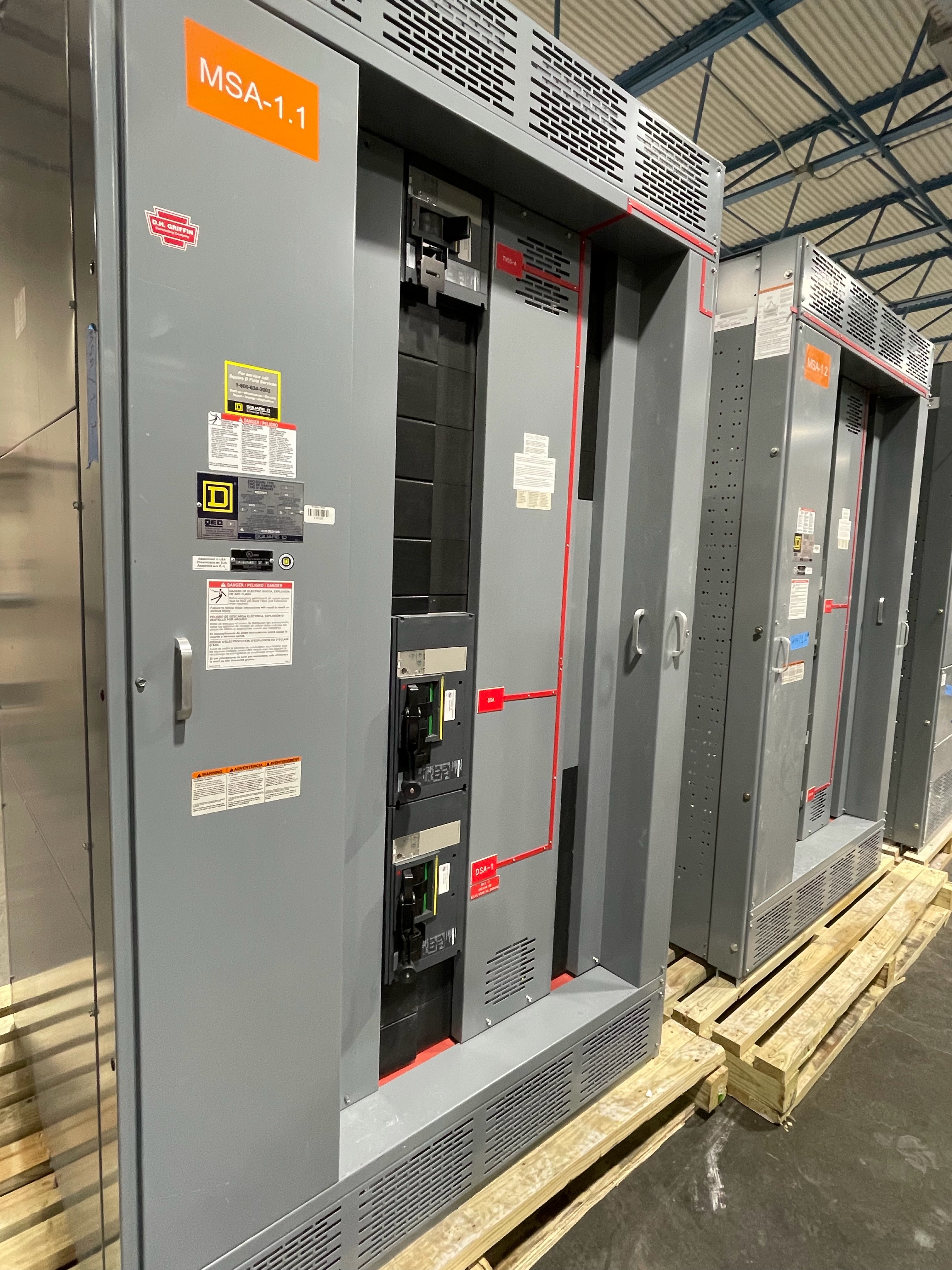
Read maintenance summaries as evidence of work, not test results
Start by extracting exactly what each summary says: the date, equipment or compartment identified, work described, and any stated observations or disposition. “Inspected” does not establish that a particular electrical test was performed; “serviced” does not reveal its measured results. If a summary refers to an attached report that cannot be found, record the reference and mark the report unavailable rather than treating it as a pass. This distinction matters when describing Metal-Clad Switchgear because an assembly can include breakers and other components with separate identities and histories. Share the summaries as written, and distinguish documented maintenance from conclusions the documents do not support.
Make the missing-report gap explicit
Absence of underlying reports is a records limitation, not proof that tests failed, passed, or were never conducted. Build a short inventory note with three categories: work explicitly documented, information stated but not substantiated by an attached record, and information not located. For example, a summary might identify a breaker as serviced while omitting test method, values, date of testing, or breaker serial number. Preserve that distinction instead of filling gaps from memory. If records may exist elsewhere, identify the likely custodian or archive and ask whether copies are available. Do not represent a recollection as a report or an unverified rating as confirmed.
Identify the assembly and its components separately
Describe the switchgear using exterior identification and existing records: manufacturer and nameplate information if legible from an authorized safe position, lineup or section labels, and component identifiers already documented. Keep assembly-level details separate from breaker details. A breaker’s frame and trip information are not interchangeable, and neither alone establishes the complete assembly’s nominal voltage or ratings. If labels conflict with drawings or maintenance summaries, note the mismatch and provide both sources rather than choosing one. No one should approach or handle energized gear to collect information. Any required electrical inspection or work belongs to qualified, authorized personnel operating under site rules.
Decide whether incomplete records prevent an offer
Missing test reports may affect how an individual asset is assessed, but they do not create a seller-testing requirement. This buyer considers used, surplus and decommissioned Metal-Clad Switchgear across all voltage classes; acceptance and any cash offer depend on the specific inventory and circumstances. A seller can ask for an assessment using available records and exterior information without commissioning tests for the sale. Be candid about uncertainty: a documented maintenance entry may help identify history, while missing results leave performance unverified. Neither the records gap nor a general description guarantees acceptance, a particular price, or a purchase decision.
Prepare a safe, useful information packet
Provide an inventory or asset list, available maintenance summaries, drawings or schedules already on file, known ownership or authority to sell, and notes about discrepancies or missing attachments. Exterior photographs can help when taken only from authorized safe positions and showing equipment exteriors or exterior nameplates safely visible from those positions. Do not open doors, remove covers, operate gear, or move closer to obtain an image; do not test or disconnect equipment for the inquiry. Include the known site access constraints and whether the gear is decommissioned, without treating that status as proof that it is safe. The buyer can review the information and assess the assets individually.
Coordinate removal responsibilities before committing
If a purchase is agreed, confirm the scope, access, schedule, and responsibility for each removal step before work begins. The buyer covers agreed crane, rigging, disconnects, loading, freight, and hauling as applicable to that purchase; the seller is not required to hire or pay a removal crew. Electrical disconnects and other electrical work must be performed by qualified, authorized personnel under site rules. The buyer offers cash and pays upfront for an agreed purchase, with terms confirmed for that transaction. No seller testing or preparation is required. A proposed pickup in Woodstock remains subject to an individual assessment and mutually agreed logistics, not a guaranteed outcome.