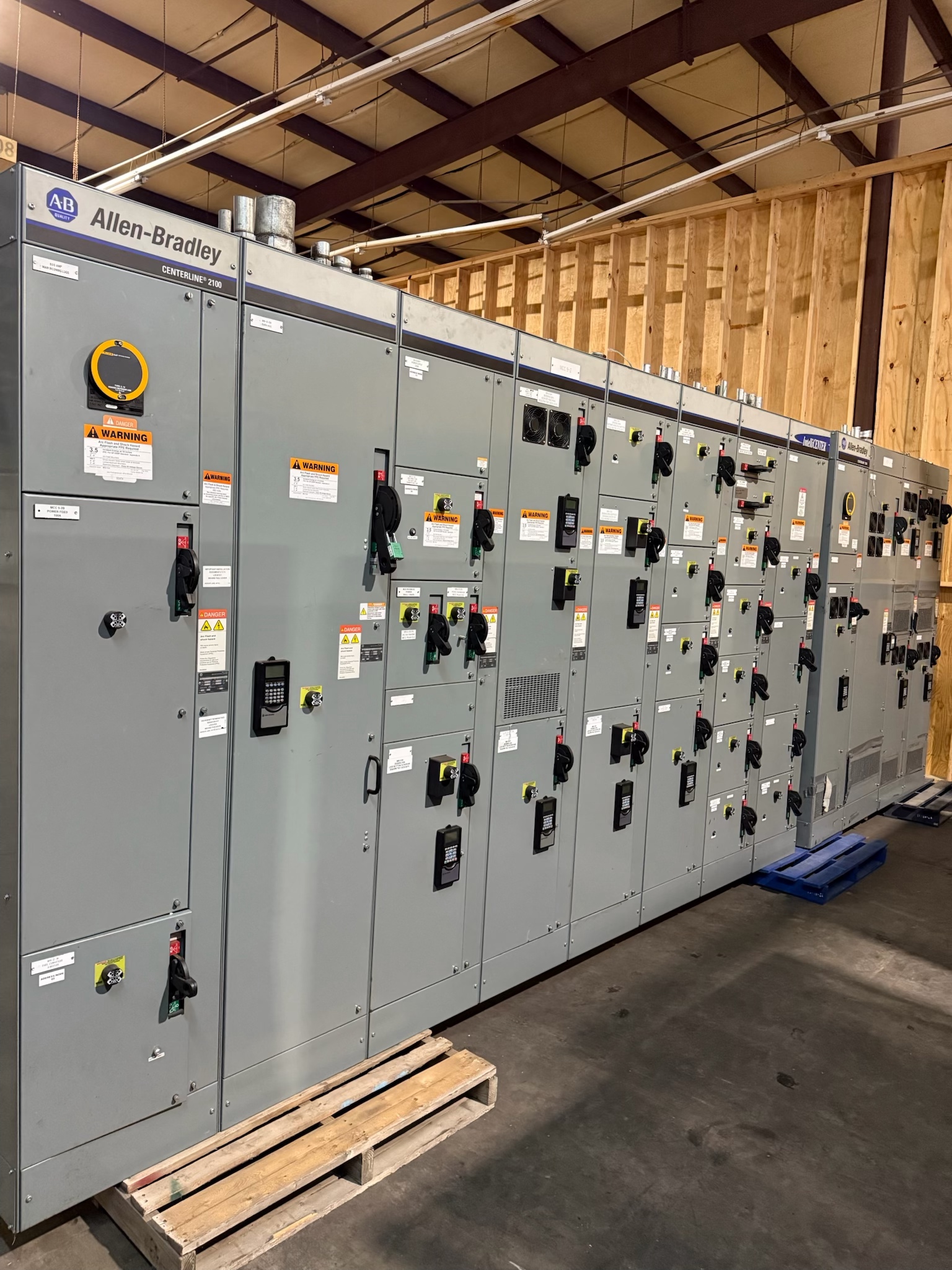
Keep each rating tied to its source
When records mention a 3,200 A assembly entry, 480 V system notes and several outgoing-device ratings, retain each value with the document, label or record where it appears. These entries are not automatically confirmed specifications for a particular lineup, and they need not coexist in one asset. A one-line diagram, equipment schedule, inspection record and exterior nameplate can describe different parts or periods of a site’s electrical system. The buyer can review available records without treating a repeated number as proof of an assembly rating or device characteristic. If references conflict or lack context, identify them as unresolved rather than choosing the most convenient figure.
Separate system voltage from equipment markings
Nominal system voltage describes the electrical system as represented in site documentation; equipment nameplate voltage is a separate equipment marking. Neither should be substituted for the other, and a 480 V system note alone does not establish the switchgear’s nameplate voltage, voltage class or suitability for another installation. Preserve the exact wording and units in existing records, and note whether a value is associated with a bus, assembly, circuit or device. A purchase assessment is not a compatibility approval. The buyer does not infer application, availability or electrical fit from a listing phrase, a single record entry or an unverified description.
Read current and breaker data independently
Assembly continuous-current, breaker frame, breaker trip and interrupting ratings are distinct fields. A 3,200 A reference cannot establish the rating of every outgoing breaker; a frame marking does not establish a trip setting, and neither identifies an interrupting rating. Record those values separately only when existing documentation or safely accessible exterior markings support them. Missing or unclear entries remain unknown; sellers do not need to test, measure, calculate, open cabinets or produce new technical records to request an assessment. This distinction is useful when deciding what to include in an inventory and prevents an individual device rating from being presented as an assembly rating—or the reverse.
Build an assessment from existing evidence
Helpful material can include an existing equipment inventory, available drawings, prior maintenance or decommissioning records, and a written list of identifiers that can be read from a safe position. Photographs should show only safely accessible equipment exteriors and exterior labels or nameplates, taken from site-authorized safe positions. Never open a cabinet or photograph its interior. If access is unsafe, restricted or uncertain, do not approach for a better image; rely on records already available or leave the detail unconfirmed. The buyer reviews information case by case and may make a cash offer for an agreed purchase, but no specific asset, price or timing is guaranteed.
Clarify scope before a handover
For equipment purchased by agreement, the buyer covers the necessary disconnects, crane support and rigging, as well as freight, hauling and loading. The seller does not hire or pay the removal crew. Confirm the agreed equipment and handover scope, access permissions, site procedures and scheduling responsibilities before work is arranged. Any electrical work must be performed by qualified, authorized personnel under site rules. Sellers must not approach, touch, open, operate, test, disconnect, remove or move energized or potentially energized equipment. An assessment does not authorize site access or work, and a purchase agreement does not include unrelated demolition or hazardous-material remediation.
Consider the purchase without seller testing
The buyer makes cash offers and pays upfront for purchases agreed between the parties; offer and acceptance are individually assessed, with no guaranteed price or removal date. No seller testing is required. The buyer considers used, surplus and decommissioned equipment across all voltage classes, including equipment from decommissioned data centers and shut-down power plants. That broad scope does not mean every lineup or component will be accepted. For a Georgia inquiry, provide the location, available records and safely obtained exterior information, then let the buyer clarify whether it wishes to make an offer and what handover arrangements are agreed. Do not prepare or move equipment to create an assessment opportunity.