Start with what each rating describes
A 4,160 V reference might describe a nominal system, while a separate equipment nameplate states the assembly’s voltage rating. Likewise, 1,200 A could be an assembly continuous-current marking, or a value shown on a device label; it cannot be assigned to the lineup without supporting records. Breaker frame, trip and interrupting ratings are distinct device details, not substitutes for assembly current or voltage. We report these values separately only when existing documentation supports them. Their appearance together in a listing does not establish that they apply to the same component, coexist on one assembly, or show that equipment is suitable for a particular application.
Records that help identify the lot
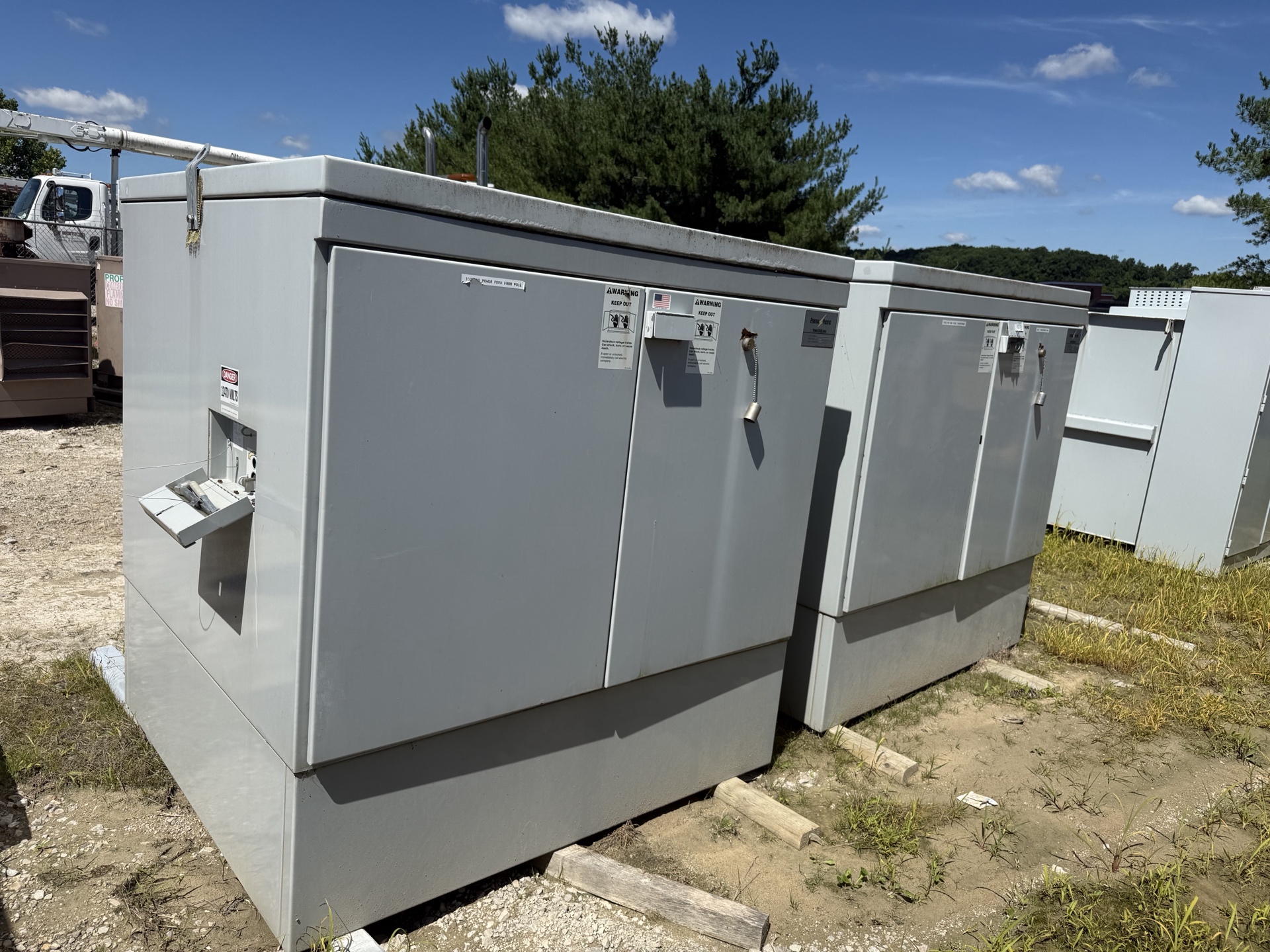
Useful starting material can include existing one-lines, equipment schedules, decommissioning inventories, prior quotations and legible photographs of exterior nameplates. Note which document or label refers to the lineup and which refers to an individual breaker or loose spare. If records conflict or omit a rating, leave it unresolved rather than estimating, measuring or arranging a test. Make clear whether the offered lot is a complete lineup, selected sections, loose devices or a combination, and identify known exclusions. Photos should show only safely accessible equipment exteriors and exterior labels, taken from site-authorized safe positions. Do not open cabinets or photograph interiors.
Lineup and loose spares are separate assessments
A metal-clad lineup and loose breaker spares can carry different identification and have different sale considerations. Existing paperwork may connect a device to a lineup, or that relationship may be unknown; do not infer it from matching numbers or appearance. Frame and trip information can help describe a breaker, while an interrupting rating is another separate rating that should be recorded only when documented. Neither confirms fit, compatibility or suitability. Tell us what is included, what remains installed, and whether spares are offered separately. An assessment is based on the described items and available evidence; it is not a promise to accept every section or device.
Tradeoffs, condition and exclusions
Completeness, documented identity, configuration and the amount of material offered together can affect whether a purchase is practical. Uncertain rating records, mixed lots or missing devices may leave questions that cannot be resolved without site-authorized information; seller testing is not required. Describe visible exterior condition and known damage from existing knowledge, without handling equipment or attempting inspection. Identify material expressly excluded from the offer and distinguish equipment from site structures or unrelated contents. A possible purchase of electrical equipment does not include demolition or hazardous-material remediation. We assess each proposed purchase individually, make cash offers and pay upfront for an agreed purchase; acceptance, price and timing depend on that assessment.
Safe review and handover planning
Send records and exterior-only photographs remotely when possible. Never approach, touch, open, operate, test, disconnect, remove or move equipment that is energized or may be energized. Any electrical work, including isolation or disconnects, must be performed by qualified, authorized personnel under site rules. For purchased assets, the buyer covers the applicable disconnects, crane support and rigging, plus loading, hauling and freight, once both parties agree. The seller does not hire or pay a removal crew. Coordinate access, approvals, safety controls and pickup timing with the site’s authorized contacts; no seller staging or fabrication is required. A proposed schedule remains subject to the individual agreement and site conditions.
Request a Georgia purchase assessment
For an initial review, provide the Georgia site location, an itemized description of the offered lot, available records, and any known exclusions or access constraints. If convenient, include only exterior photographs taken from a safe, authorized position; do not create new access to obtain an image. We buy used, surplus and decommissioned electrical equipment in all voltage classes, including potential offerings from decommissioned data centers and shut-down power plants. Those sources do not guarantee acceptance or availability of any particular rating combination. We will distinguish documented values from unknowns, then assess the proposed purchase individually. Any offer, acceptance and timing must be agreed for that specific lot.