What the two markings do—and do not—tell you
First establish what each value describes in the existing documentation. A 480 V figure might identify nominal system voltage or appear as an equipment nameplate voltage; those are distinct facts and should not be treated as interchangeable. Likewise, 1,200 A may refer to an assembly’s continuous-current rating, while an associated breaker has separate frame and trip markings. Interrupting rating is another distinct value. Do not assume all these ratings coexist, or infer an equipment class, configuration, or compatibility from two figures alone. Share only values supported by records.
Records that help define the assessment
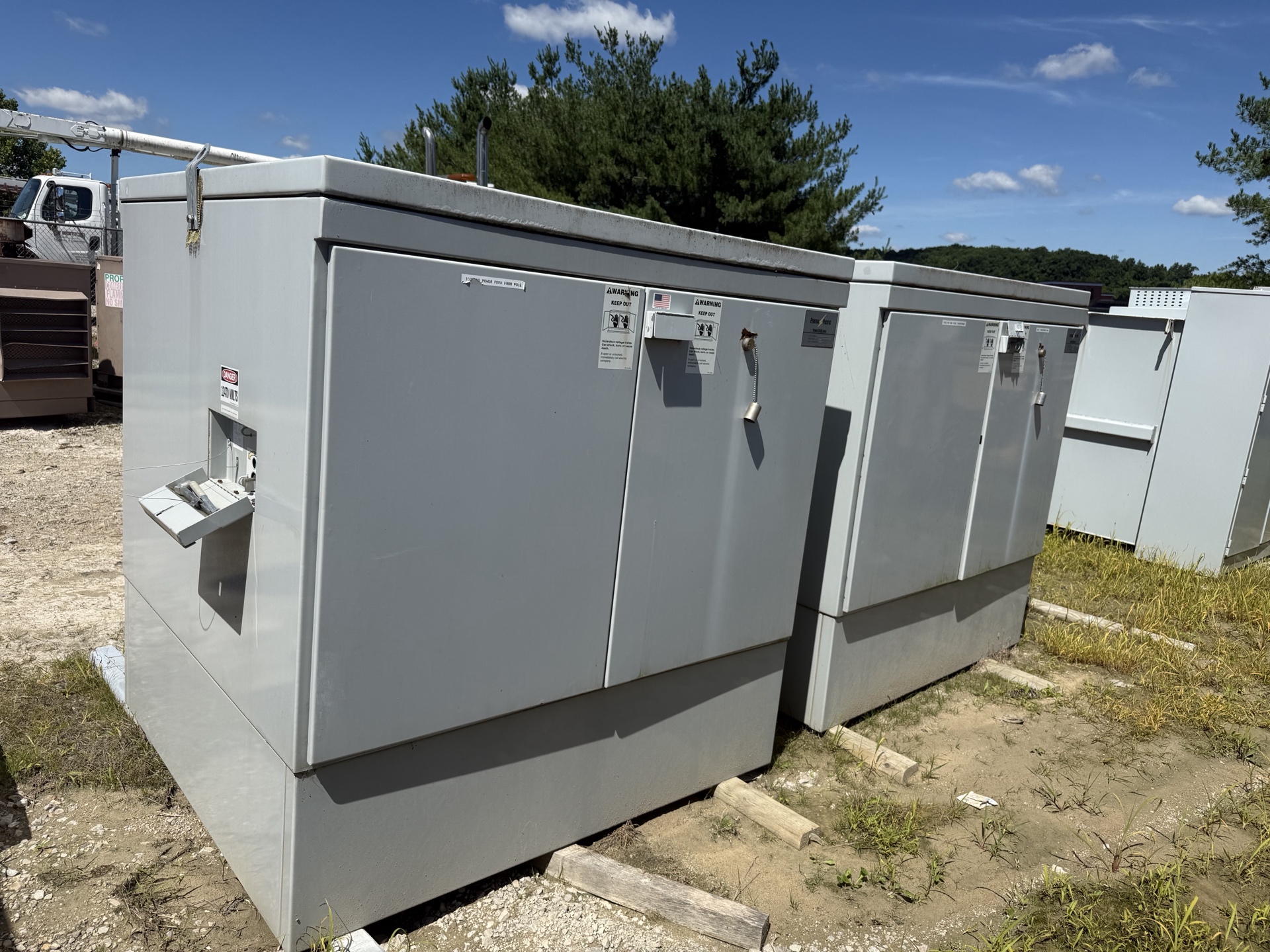
Useful existing information may include equipment nameplates, drawings, asset schedules, breaker lists, and maintenance or decommissioning records already available to the facility. A one-line diagram can give context about the distribution arrangement, but it does not replace the equipment’s own documented ratings. Identify the record source and flag missing, unclear, or conflicting entries rather than resolving them by guesswork. No seller testing, measuring, opening, or fabricating records is required to request an assessment. If safe and site-authorized, exterior photographs and exterior labels or nameplates can supplement records; take them only from authorized safe positions.
When retained distribution changes the handover
If the assembly sits beside distribution serving areas that will remain in operation, the boundary between retained and surplus equipment needs careful review before any agreed handover. Existing drawings and the site’s designated electrical personnel may help identify what belongs to the proposed purchase; the buyer does not determine operational isolation from a photograph. Do not approach, touch, operate, test, disconnect, remove, or move equipment that is energized or potentially energized. Electrical work, including any approved isolation or disconnection, must be performed only by qualified, authorized personnel under site rules.
Configuration and condition remain open questions
Even well-documented 1,200 A and 480 V markings do not establish completeness, condition, or purchaser suitability. Records may not resolve whether sections, breakers, accessories, bus arrangements, or other components are included, nor whether changes occurred after documentation was prepared. Describe known exclusions and uncertainties plainly; do not claim an unverified breaker frame, trip setting, interrupting rating, or compatibility. An assessment may consider the equipment as presented and the information available, but it is not a guarantee of acceptance. The buyer reviews each asset and proposed purchase individually.
Keep the request safe and practical
A concise request can state the site location in Georgia, the general equipment description, the documented ratings and their sources, whether records are available, and whether adjacent distribution must remain. Share existing files through an approved channel. Exterior photos are optional and appropriate only when the equipment can be photographed safely from a site-authorized position; never open a cabinet or photograph its interior. No seller testing or preparation is required. If safe access is uncertain, skip photographs and rely on existing documentation rather than approaching potentially energized equipment.
Agreed removal and payment responsibilities
For an agreed purchase, the buyer covers necessary crane, rigging, disconnects, loading, freight, and hauling as part of the agreed handover arrangements; the seller does not hire or pay a removal crew. Site access, authorization, work boundaries, and scheduling still need coordination with the facility. The buyer makes cash offers and pays upfront for agreed purchases, but offer terms and timing are assessed individually, with no guaranteed price or schedule. An assessment does not commit either party to a purchase, and acceptance of a particular asset is not promised.
Define the scope without assuming extra work
Before accepting an offer, clarify which documented equipment and components are included, the planned handover boundary, site conditions relevant to access, and who coordinates required electrical authorization. A purchase of identified equipment is not a commitment to unrelated demolition, building work, or hazardous-material remediation. Do not ask site staff to move, stage, dismantle, or otherwise prepare potentially energized equipment for a buyer’s convenience. Any handling or electrical work must follow site rules and be assigned to qualified authorized personnel. Clear scope helps both sides assess a specific transaction without assuming unverified ratings or outcomes.