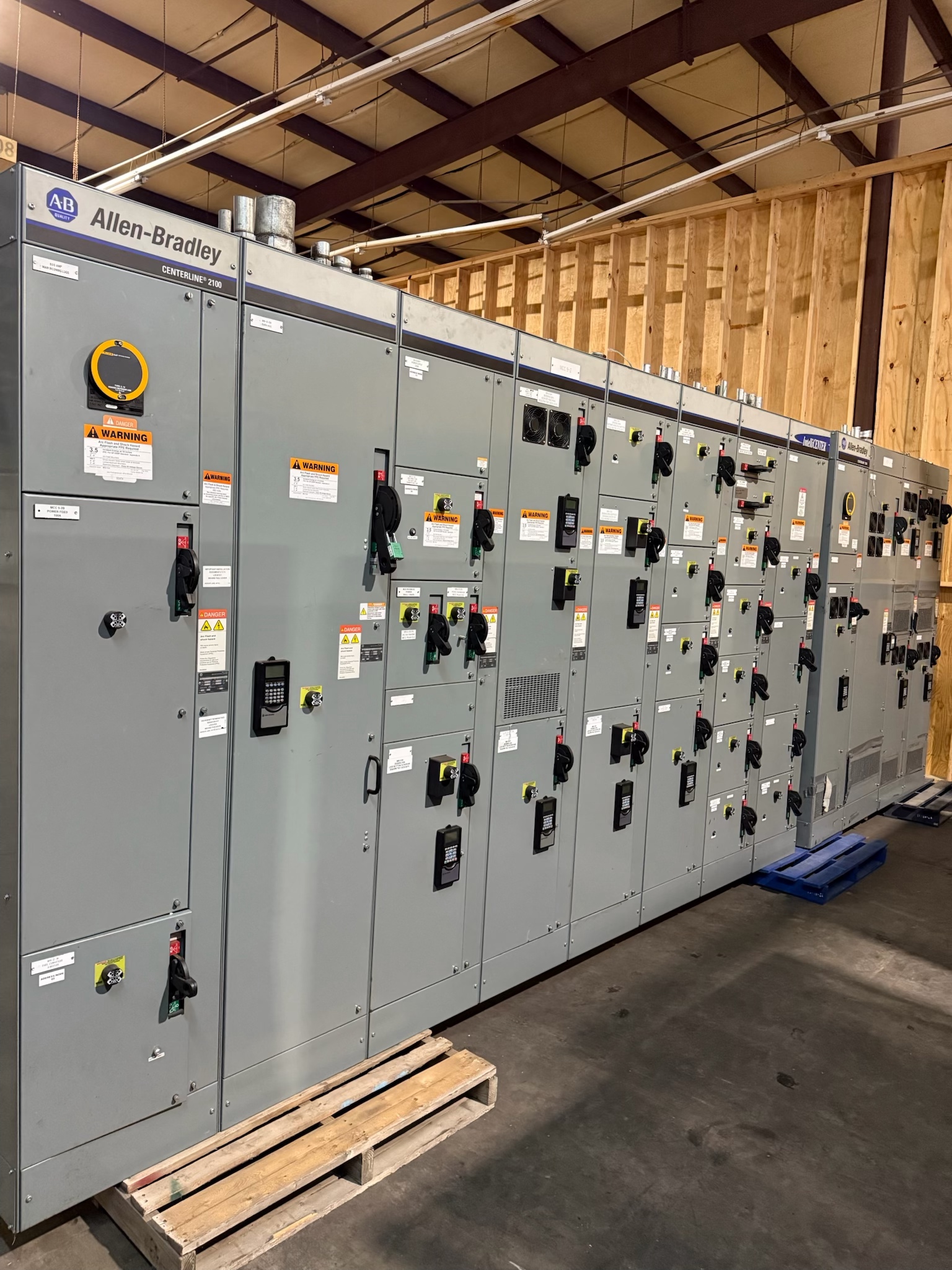
Start with the exact dual-voltage marking
Record the nameplate as printed, preserving punctuation, separators, and qualifiers. If it says “120/208 V,” report that exact string; do not rewrite it as “208 V,” “120 V, three-phase,” or another interpretation. Include phase only when a marking or reliable existing record states it. A dual-voltage label alone does not establish the installed wiring, number of phases, connection, or present configuration. For example, a panelboard described in a facility inventory as 120/208 V still needs its own identifiable markings documented. If the phase is not shown or cannot be confirmed from safe records, say “phase not known” rather than infer it from the voltage notation or appearance.
Separate system nominal from device ratings
A system nominal voltage describes the intended electrical system context; individual components can carry distinct ratings. A breaker’s voltage rating is not automatically the assembly’s system nominal voltage, and neither value by itself establishes suitability for a proposed application. Keep the panelboard or distribution assembly nameplate separate from breaker markings and other device labels. If accessible documentation lists a 120/208 V system and a breaker carries a different printed rating, transcribe both with their sources instead of resolving the difference yourself. Do not treat bus, frame, trip, or interrupting ratings as substitutes for voltage or phase. An equipment buyer can review the reported details, but compatibility is not inferred from a shared number.
Build a record that preserves context
Useful records connect each marking to the specific asset. Note the assembly’s manufacturer and model only as printed, serial or catalog identifiers if legible, the exact dual-voltage text, and the location of each marking on the exterior. Record phase only if known and identify whether it came from a nameplate, drawing, or existing inventory record. Keep breaker labels distinct from the assembly label, and describe any unreadable, missing, or conflicting information plainly. Do not fill gaps with assumptions from a building’s general electrical description. If several assemblies are being considered, label each record separately so a 120/208 V marking from one panel is not attributed to another.
Use safe documentation boundaries
Photographs should show only safely accessible exterior nameplates and equipment, taken from authorized safe positions. Never approach, touch, open, operate, test, disconnect, rack out, move, or handle energized equipment to obtain a picture or verify a rating. Do not remove covers or expose internal parts for documentation. If a label cannot be read safely, report that limitation and share existing records instead. Electrical work—including determining whether equipment is energized, isolating it, disconnecting conductors, or preparing it for removal—belongs to qualified, authorized personnel working under site rules. A seller does not need to test the equipment or perform preparation for an initial review.
Describe condition without turning it into a test
For an individual assessment, distinguish visible exterior condition from operational status. A seller may describe what is already safely observable, such as a damaged exterior enclosure, a missing nameplate, or equipment stored as part of a decommissioned facility, without opening or energizing it. State whether the assembly is reportedly complete only when that information is known, and identify the source of the report. Do not present a breaker’s presence as proof of function or an old drawing as proof of current configuration. Questions about internal condition can remain unresolved pending an appropriate review by qualified authorized personnel; no seller testing is required to discuss the asset.
Discuss scope and offer terms individually
We buy used, surplus, and decommissioned electrical equipment across all voltage classes, including assets from decommissioned data centers and shut-down power plants. A 120/208 V marking does not establish price, acceptance, or compatibility; each asset and offer is assessed individually. For equipment considered for purchase, we offer cash and pay upfront. Buyer-paid logistics can cover disconnects, crane and rigging, loading, freight, and hauling, with electrical work handled by qualified authorized personnel under site rules. Share the exact markings, available records, quantity, and safely accessible exterior photos to support review. Do not assume a particular outcome or arrange electrical removal outside authorized site procedures.