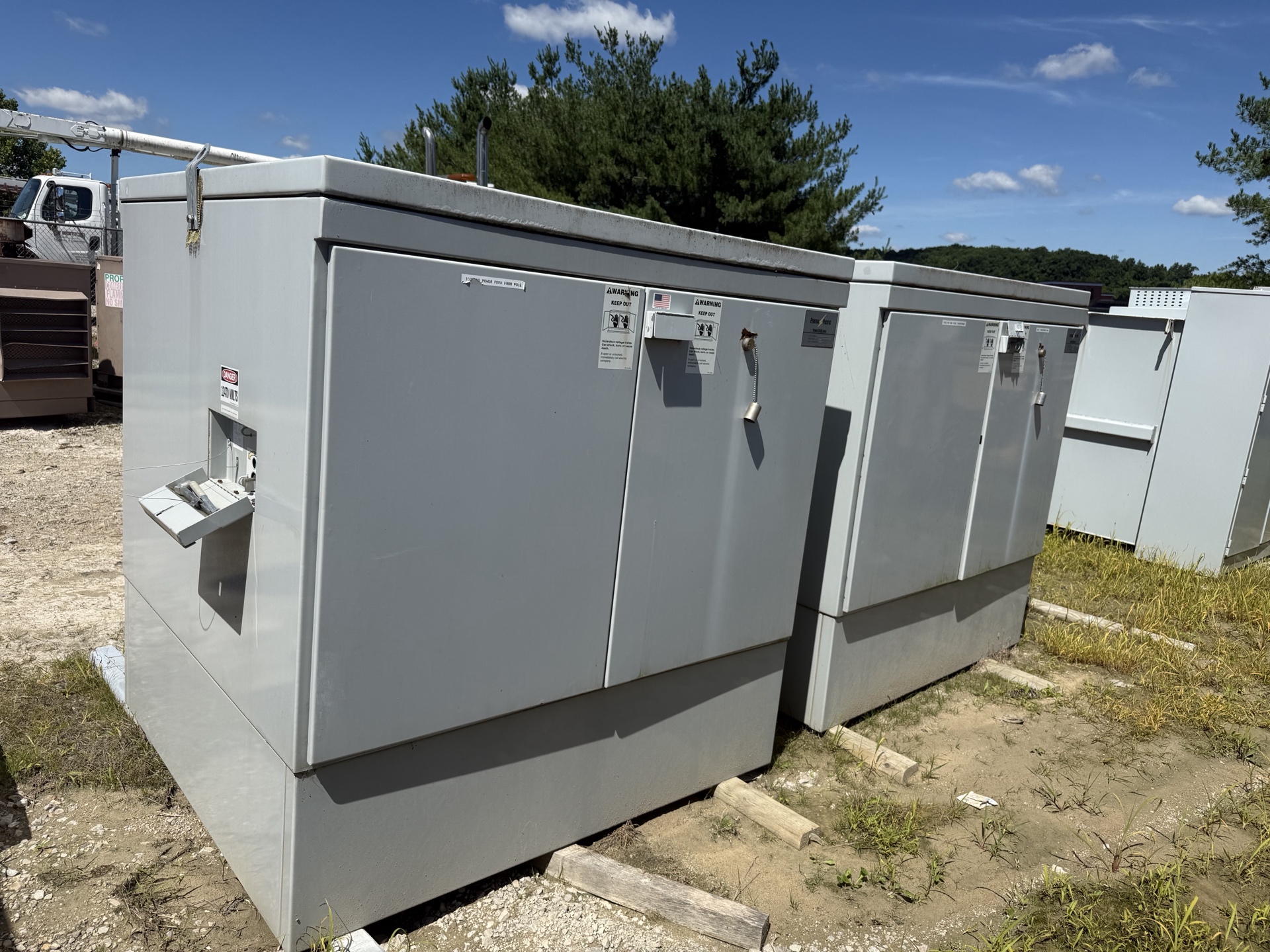
Start with visible voltage markings, not the shutdown label
A plant described as “2,400 volt” may contain equipment with different markings or functions. Begin an inventory by grouping enclosures according to the exact voltage text visible on their safely accessible exterior nameplates, then note any markings that differ or cannot be read. Do not change “2,400 V” into a broader conclusion about every compartment or device. A shutdown describes operating status; it does not prove isolation, absence of stored energy, or permission to approach. Only qualified, authorized personnel following site rules may establish safe access. If a marking is not safely visible, record it as unknown rather than approaching, opening, or handling equipment to find it.
Keep system nominal voltage separate from device ratings
Transcribe each marking exactly, preserving units, punctuation, and qualifiers such as “nominal” if present. Then distinguish the system’s stated nominal voltage from the ratings printed for individual devices or assemblies. For example, an exterior label identifying a 2,400 V system does not establish that every breaker has a 2,400 V rating, nor does a device rating prove the connected system’s nominal voltage. Record breaker, assembly, and enclosure markings in separate fields rather than collapsing them into a single “voltage” entry. Do not infer configuration, application, compatibility, or suitability from a number alone. If labels conflict, preserve both readings and flag the discrepancy for review.
Define a release area by enclosure and boundary
Voltage grouping is useful only when paired with a clear release boundary. Identify which visible enclosures are included, their exterior identifiers, and whether adjacent gear is excluded, without implying that the group is electrically isolated. If a line of switchgear includes several sections, do not assume that a shared lineup name means every section has the same rating or can be released together. Ask the site contact to identify the proposed sale scope using records and authorized procedures; note shared bus, control, or access relationships only when confirmed by qualified personnel. A clearly bounded inventory supports an individual assessment, while uncertain boundaries should remain explicitly unresolved.
Document evidence from safe, authorized positions
Useful records can include a written transcription of accessible exterior nameplates, enclosure identifiers, general exterior condition, and the source of each marking, such as a label or site inventory record. Photographs should show only safely accessible exterior nameplates and equipment from positions authorized by site rules. Never operate, open, touch, approach, test, disconnect, remove, rack out, move, or handle energized equipment to improve documentation or obtain a picture. If a label is obstructed or a photo would require entry into a restricted area, omit it and note why. Separate observed facts from statements supplied by others, and mark unreadable, missing, or conflicting information rather than filling gaps by assumption.
Ask scope and condition questions without requesting seller testing
For an assessment, ask who owns the equipment or has authority to sell it, which enclosures are included, whether records identify the system nominal voltage, and whether device ratings are documented separately. Clarify known exclusions, visible identification gaps, and any site restrictions on access or removal. No seller testing or preparation is required; do not ask a seller to energize, open, or test equipment for evaluation. The buyer considers used, surplus, and decommissioned equipment, including assets from decommissioned data centers and shut-down power plants, across all voltage classes. That does not mean every 2,400 V asset will be accepted. Assets and offers are assessed individually, without inferring a result from voltage alone.
Coordinate commercial terms and qualified removal work
If an offer is made, it is a cash offer paid upfront, subject to the individual assessment and agreed transaction terms; no price or outcome should be assumed in advance. The buyer covers freight and coordinates crane, rigging, disconnects, loading, and hauling as applicable to the agreed scope. Electrical work must be performed by qualified, authorized personnel under site rules; a shutdown label is not a substitute for an isolation determination. Before removal planning, confirm the authorized release area and site access requirements with responsible personnel. Do not treat this equipment purchase as a commitment to unrelated demolition or hazardous-material remediation. Keep commercial scope, electrical authorization, and physical boundaries distinct in the records.