Start with what each rating actually describes
A 13,800 V entry could identify nominal system voltage, equipment nameplate voltage, or another recorded value; do not treat those as interchangeable. Likewise, a 2,000 A figure may refer to an assembly’s continuous-current rating, while a breaker’s frame and trip ratings are separate device markings. Interrupting rating is another distinct value. The figures do not have to coexist on the same equipment, and neither number establishes equipment class, condition, application, or compatibility. A buyer reports each value only when supported by existing records or a safely visible exterior nameplate.
Useful records can reduce ambiguity
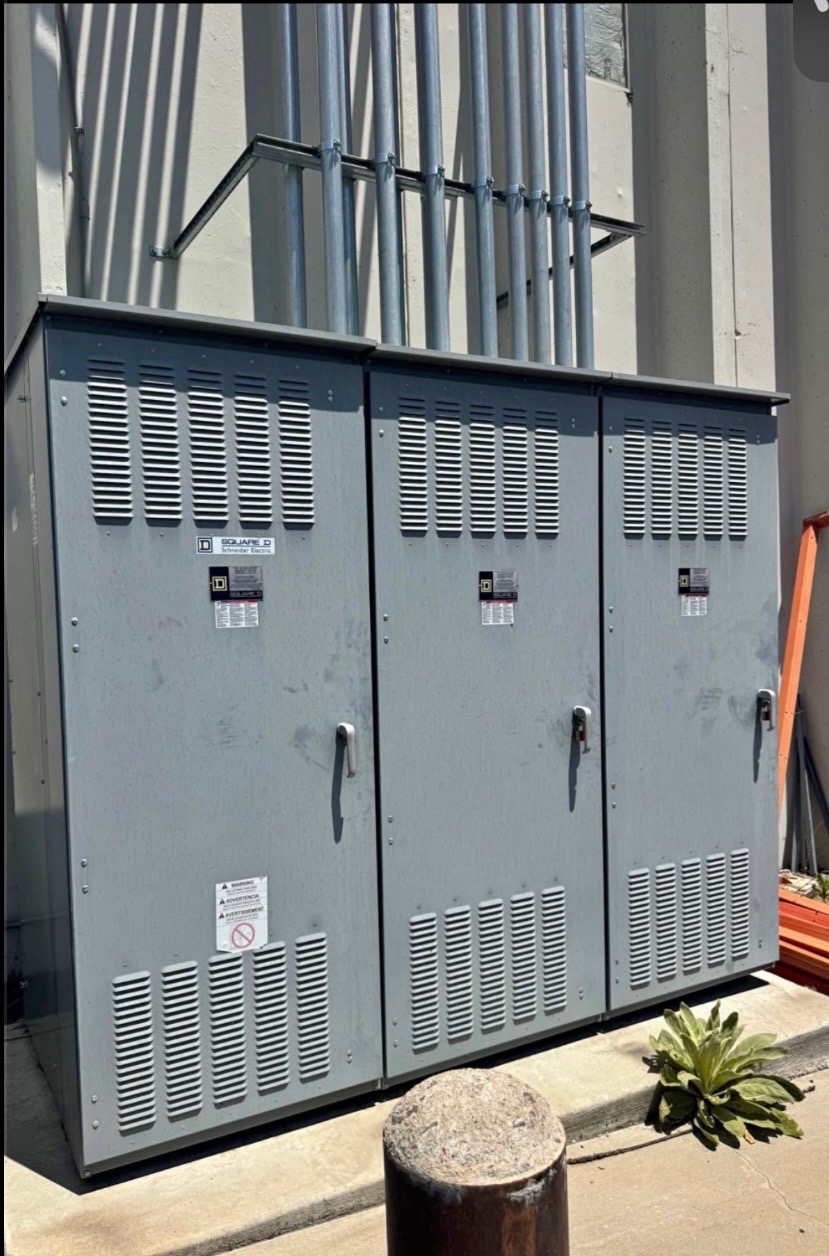
For a purchase assessment, gather records already available to the facility: asset registers, one-line diagrams, equipment schedules, purchase or maintenance files, decommissioning inventories, and ownership documentation. A clear entry identifying the asset and its location can help distinguish a switchgear assembly from an individual breaker or other component. Existing photographs may also help if they show only safely accessible exteriors and exterior labels or nameplates, taken from site-authorized safe positions. Do not open a cabinet or approach equipment to obtain an image. Missing, conflicting, or unreadable records can remain explicitly unresolved.
Interpret the numbers without assuming a match
When records show 13,800 V and 2,000 A, ask what each value is attributed to, rather than treating the pair as a complete specification. Confirm whether voltage is stated as nominal system voltage or an equipment marking, and whether current belongs to the assembly or a device. Record breaker frame, trip, and interrupting ratings separately only when documentation supports them. A rating comparison alone cannot establish condition, suitability, or compatibility with another system. The buyer may request clarification from records, but the seller is not asked to test, measure, fabricate, or stage equipment.
Plant shutdowns add ownership and release questions
A shut-down power plant may have equipment whose ownership, sale authority, or release status is divided among an owner, operator, lender, contractor, or estate. A buyer needs to assess whether the proposed seller can convey the asset and authorize access and removal under site rules. Existing asset schedules, bills of sale, transfer documents, or written release approvals may help; the buyer should not assume shutdown means title is clear. The same careful review applies to surplus from decommissioned data centers and other facilities. An assessment is not acceptance, and each asset and offer is considered individually.
Set clear boundaries for a possible purchase
Identify the equipment offered, its documented ratings, known quantity, stated condition, ownership basis, and any exclusions. Note separately whether attached components, control equipment, spare parts, or accessories are included; do not infer that nearby items belong to the same sale. Disclose known access limits, hazardous-area restrictions, and site scheduling requirements from existing information. A purchase assessment does not promise acceptance, a particular price, or a removal date. It also does not include unrelated demolition or hazardous-material remediation. The buyer makes cash offers and pays upfront for purchases that are agreed, with terms established for that specific transaction.
Plan safe release and removal responsibilities
For an agreed purchase, the buyer covers necessary crane, rigging, disconnects, loading, freight, and hauling under the agreed scope; the seller does not hire or pay a removal crew. Work planning must follow site rules and address authorization, access, scheduling, and any required permits or escorts. Electrical work must be performed only by qualified, authorized personnel under those rules. No seller testing is required, and sellers must not approach, touch, open, operate, test, disconnect, remove, or move energized or potentially energized equipment. The buyer and site representatives coordinate the handover without asking the seller to prepare the asset.
Share information without creating a safety task
Begin with the asset description and whatever records or safely obtained exterior images are already available; no special photography or equipment preparation is necessary. Images, if shared, must show only safely accessible exteriors and exterior nameplates from positions the site authorizes. Never open a cabinet or take internal photographs, and do not move closer to improve a view. If safe access or electrical status is uncertain, rely on existing documentation and site-authorized personnel rather than approaching the equipment. Any offer, acceptance, scope, and timing are assessed individually, with no guaranteed price or schedule.