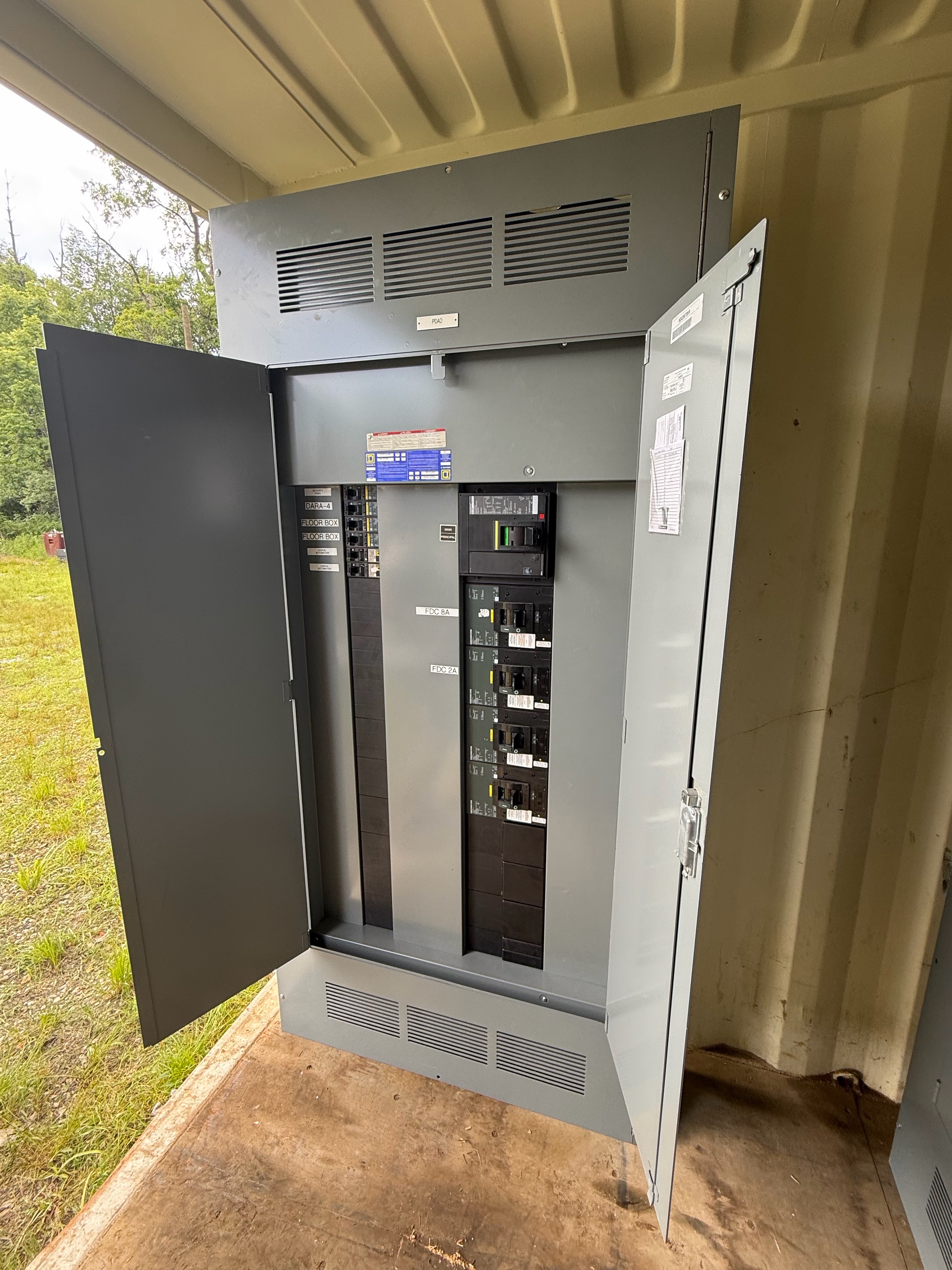
Start with the records, not the headline rating
Use the 4,000 A and 480 V figures as leads to verify, not as a complete equipment description. If an asset register or approved drawing records those values, note the document date and the exact equipment tag or lineup section it identifies. A record may describe a system, an assembly, or a device; those are not interchangeable. Compare its wording with safely accessible exterior nameplates and existing records. If labels conflict or identify different sections, preserve that distinction rather than combining values into one assumed rating.
Separate system voltage from equipment nameplate voltage
A nominal 480 V system designation describes the system context; an equipment nameplate voltage is a marking on a particular assembly or device. They may be related, but one does not establish the other, and neither alone proves suitability for a proposed use. Record each value with its source: for example, “480 V nominal system, per drawing” separately from the exact voltage wording on an exterior nameplate. Do not infer a voltage class, compatibility, or operating condition from a partial label. Leave technical interpretation to qualified authorized personnel.
Distinguish assembly current from breaker markings
A 4,000 A assembly continuous-current rating is not necessarily the rating of every breaker installed in that lineup. An individual breaker can carry separate frame and trip markings, and those values describe different attributes; neither should be substituted for the assembly rating. If records list a 4,000 A lineup and breakers with other frame or trip values, inventory them as separate facts, tied to their positions only when documentation supports that assignment. Do not add device ratings together or assume that any breaker marking confirms the lineup’s rating.
Build an inventory that preserves uncertainty
For each offered section, collect its asset tag, manufacturer and catalog text if documented, recorded nominal system voltage, assembly rating, and each separately identified breaker’s frame and trip markings. Note whether each item came from a drawing, register, or exterior nameplate; mark unavailable or unclear details as unknown. Photos should show only equipment exteriors and exterior nameplates that are safely visible from an authorized safe position. Never approach or handle energized equipment for a picture. This disciplined record lets a buyer assess the specific inventory without asking the seller to test it.
Describe lineup completeness and condition without assumptions
Explain whether the offer concerns a complete lineup, selected sections, or individual devices, using existing inventory records rather than opening equipment to check. Include known omissions, stored components, or discrepancies that could affect how the inventory is assessed. For instance, a record showing a lineup rating does not prove that every original section or breaker remains with it. Do not claim operational condition, compatibility, or completeness unless reliable documentation supports that statement. Unknowns are useful to disclose early; the buyer assesses assets and any offer individually, with no guaranteed acceptance or price.
Clarify removal responsibility before agreeing on a purchase
If an offer is agreed, the buyer covers applicable disconnects, crane service, rigging, loading, freight, and hauling as part of the purchase arrangement; the seller is not asked to hire or pay a removal crew. Which services apply depends on the equipment and agreed scope, so confirm responsibilities and site access before work is scheduled. All electrical work, including disconnecting equipment, must be performed by qualified authorized personnel under site rules. No seller testing or preparation is required. Do not touch, move, or handle equipment to facilitate an assessment or removal.
Compare the buying terms, not an assumed market outcome
This independent buyer purchases used, surplus, and decommissioned electrical equipment, including equipment from decommissioned data centers and shut-down power plants. It buys across all voltage classes; that does not mean every item is accepted or suitable for a particular system. For inventory with 4,000 A and 480 V references, provide the documented distinctions and ask how the proposed purchase scope treats each section and device. Offers are assessed individually. Payment is cash and paid upfront under agreed purchase terms, but price, acceptance, timing, and specific outcomes are not guaranteed.