Start with the records you already have
For an initial assessment, gather records already available to your organization: asset lists, equipment schedules, prior freight documents, drawings, or exterior nameplate information. Do not create new measurements or remove covers to fill gaps. Identify what is documented, what is estimated, and what remains unknown, especially the weight of each assembly or shipping unit. A buyer can review that distinction before deciding whether to make an offer. Records support discussion; they do not establish that every component is included or that a purchase will be accepted.
Describe the freight window as a constraint
Give the buyer the site-approved freight window, relevant deadlines, and any known limits on access or loading arrangements. Say whether the window is fixed, tentative, or subject to approval, and note who at the site authorizes work. This lets professional planners consider whether a proposed pickup can fit without asking you to stage equipment or reserve a crew. If weight is uncertain, flag it rather than choosing a number. A narrow window may affect feasibility, but neither timing nor acceptance can be guaranteed.
Keep ratings and weight evidence distinct
Switchgear records may use several ratings that describe different things. If existing documents show them, list nominal system voltage separately from assembly or equipment voltage, and distinguish continuous current from a device’s frame, trip, and interrupting ratings. Do not infer one value from another or treat a rating as proof of compatibility. Weight is a separate logistics question: a label or drawing may not document the shipping weight of the complete assembly. Report the source and uncertainty of each value; no new testing or measurement is required.
Set a safe boundary for photos and work
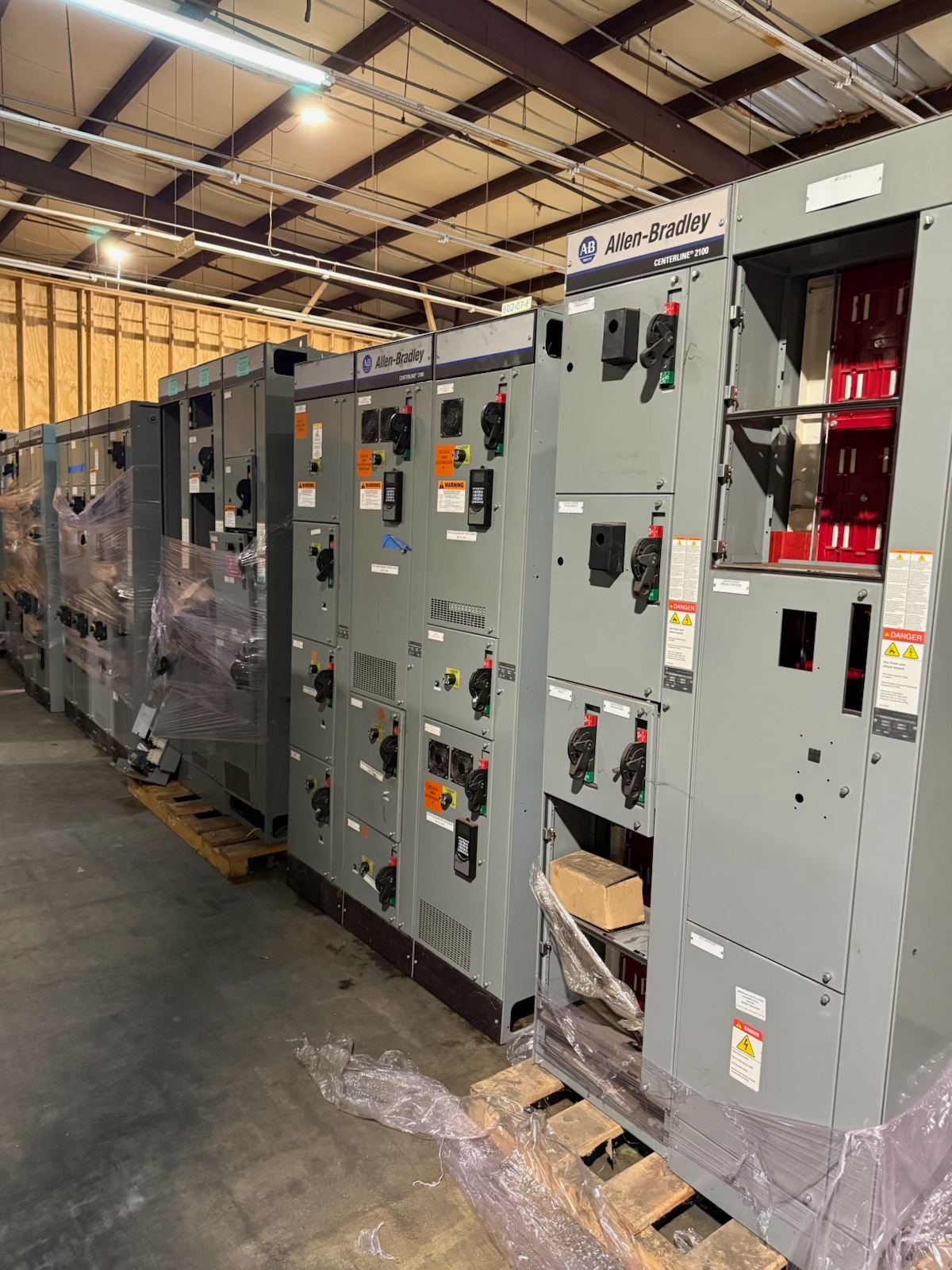
Photos are optional and should show only safely accessible equipment exteriors or exterior labels and nameplates, taken from site-authorized safe positions. Never open a cabinet or photograph internal parts. Do not approach, touch, operate, test, disconnect, remove, or move equipment that is energized or potentially energized. All electrical work, including any authorized isolation or disconnection, must be performed by qualified personnel under site rules. A purchase assessment does not require seller testing. If a safe viewing position is unavailable, rely on existing records instead of trying to improve the photos.
Know what an agreed purchase covers
The buyer evaluates used and retired electrical equipment of all voltage classes, including gear from shut-down power plants and decommissioned data centers. If the parties agree to a sale, the buyer covers necessary crane support, rigging and disconnects as well as loading, hauling and freight. The seller does not hire or pay a removal crew. The buyer makes cash offers and pays upfront for agreed purchases. These terms apply only after an individual assessment and agreement. They do not promise acceptance of a particular asset or include unrelated demolition or hazardous-material remediation.
Make exclusions and uncertainty visible
Describe the proposed sale scope using existing inventory records, and mark items whose ownership, condition, completeness, or weight is unclear. Note known exclusions, access restrictions, and any site approval still pending. Avoid representing an uncertain weight or freight deadline as confirmed. The buyer can ask for clarification based on records, but you are not expected to test, measure, fabricate, stage, or prepare equipment for evaluation. A review may conclude that information is insufficient, logistics do not fit, or no offer is appropriate; each offer and acceptance is individually assessed.
Agree the handover before scheduling
If both parties accept a purchase, confirm in writing the included equipment, cash amount, upfront payment arrangement, access approvals, and agreed removal logistics before pickup planning is finalized. Professional planners can address uncertain weight and the limited site-approved window using available records and site coordination; do not move equipment to make the schedule easier. Work must follow site rules, and electrical tasks belong only to qualified authorized personnel. No seller crew is required for the buyer’s agreed removal scope. Payment, acceptance, and timing remain subject to the specific agreement, not a general guarantee.