Confirm who has authority to approve a sale
When equipment is associated with a financed property, ownership, collateral status, and authority to dispose of it may involve different parties. Ask the appropriate owner or authorized representative to identify who can approve a sale and sign the purchase documents. A lender may need to provide consent or clarify its role, but the buyer cannot interpret a financing agreement or decide who holds title. Resolve that question through the parties and their advisers before representing equipment as available. A purchase assessment can begin while authority is being clarified, but an offer and acceptance remain subject to individual review and cannot override restrictions imposed by the owner, lender, or site.
Describe the equipment using records already available
Useful existing information may include equipment schedules, one-line diagrams, nameplate records, asset lists, and prior maintenance or decommissioning documents. Share only records that the authorized party may disclose. Keep distinct values distinct: nominal system voltage, assembly voltage, continuous-current rating, device frame, trip setting or rating, and interrupting rating describe different things and should not be substituted for one another. Report a value only when an existing record supports it, and identify its source where practical. Missing, conflicting, or illegible data should be marked unknown rather than guessed. Do not commission measurements or testing just to request an assessment; equipment condition and completeness can affect whether an offer is possible.
Scope the request without promising acceptance
List the switchgear or related assemblies under consideration, their known location within the property, and whether the request concerns selected assets or a larger group. Note known missing components, documented damage, or removal constraints without opening equipment to inspect it. A buyer of used, surplus, and decommissioned electrical equipment may consider equipment across all voltage classes, including material from decommissioned data centers and shut-down power plants. That broad scope is not a guarantee that any particular item or lot will be accepted. The buyer evaluates each opportunity individually from available information and may need to clarify ownership, access, completeness, and logistics before presenting terms.
Use safe exterior-only visual information
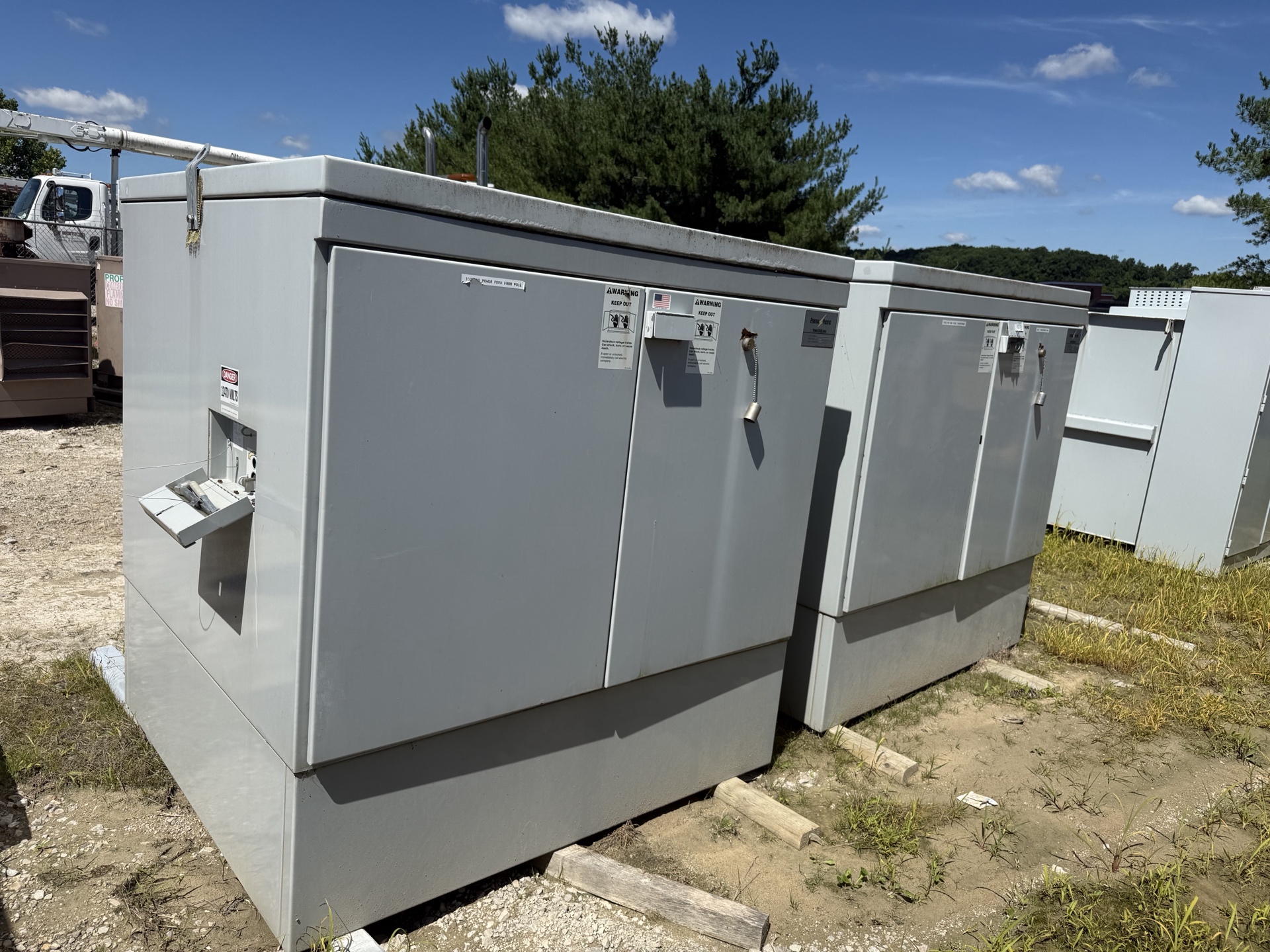
Photos are optional and should show only safely accessible equipment exteriors or exterior labels and nameplates, taken from positions the site authorizes as safe. Never open a cabinet, photograph inside, or approach equipment to obtain a better view. Do not touch, operate, test, disconnect, remove, lift, or move equipment that is energized or could be energized. Seller testing is not required for a purchase request. Any electrical work, including isolation or disconnection, must be performed only by qualified, authorized personnel under site rules. If safe access or electrical status is uncertain, rely on existing records and the site’s responsible personnel; do not investigate the equipment yourself.
Agree removal responsibilities before scheduling
For an agreed purchase, the buyer covers necessary crane, rigging, disconnects, loading, freight, and hauling as set out in the agreement. The seller does not hire or pay a crew for that agreed removal. Confirm the approved work scope, access arrangements, site contacts, scheduling, and responsibility boundaries in advance; timing depends on site conditions and coordination and is not guaranteed. The buyer’s logistics obligations apply to the purchased equipment and agreed scope, not automatically to unrelated demolition, building work, or hazardous-material remediation. No work should begin until required authorizations and site procedures are in place. The seller should not arrange independent removal or staging as a condition of requesting an assessment.
Document terms and prepare a controlled handover
Before handover, have authorized parties document the equipment included, agreed price, payment terms, removal scope, and any access conditions. The buyer makes cash offers and pays upfront for agreed purchases, with the specific terms confirmed for each transaction; neither a price nor a removal date is guaranteed. Identify the person empowered to release the assets and coordinate site access, without treating an assessment as proof of sale authority. Keep the handover within the approved work plan and site rules, with qualified authorized personnel handling electrical work. If authorization, records, or safe access remain unresolved, pause scheduling rather than ask the seller to test, disconnect, or prepare the equipment.