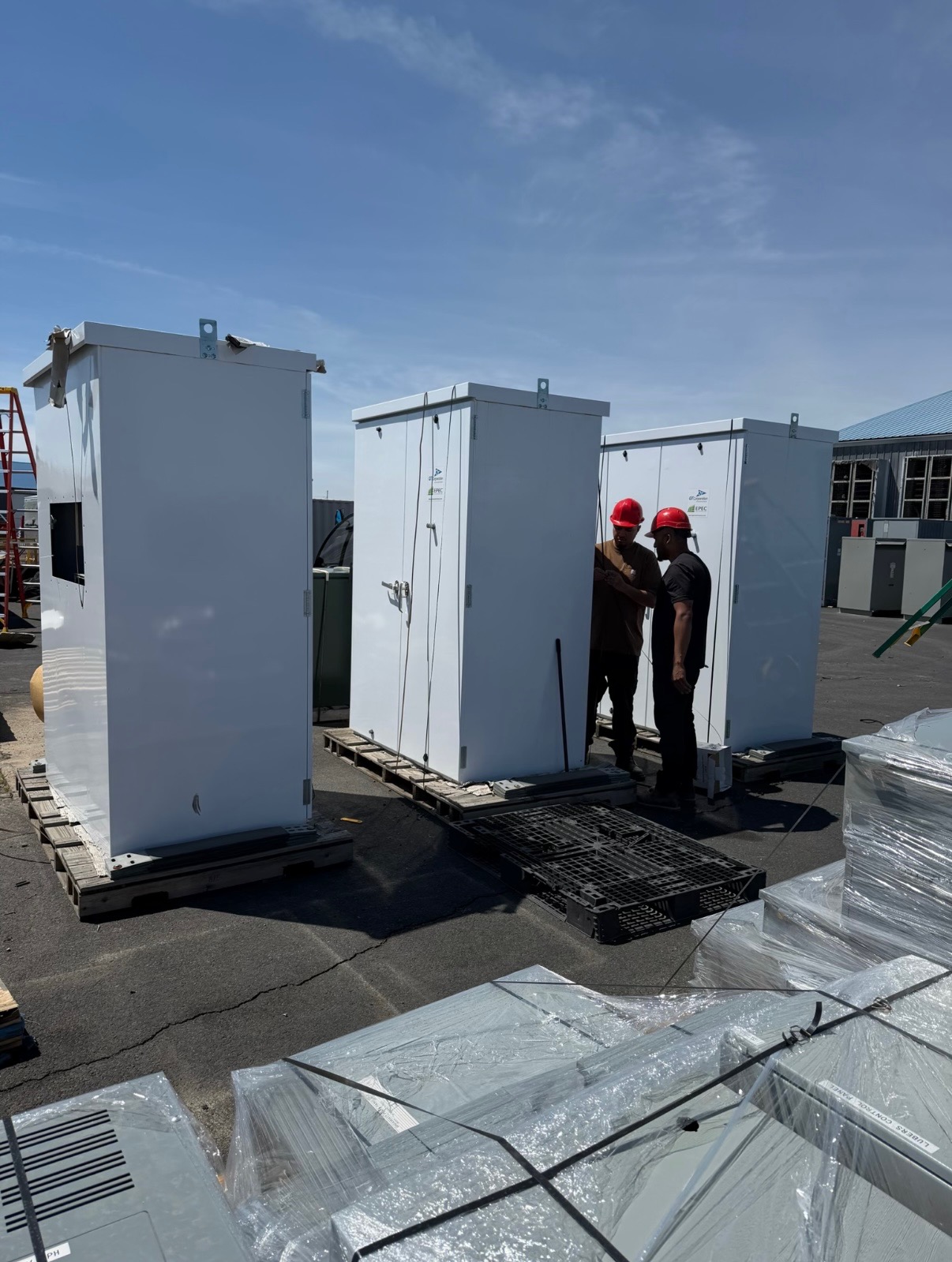
Share enough detail without exposing facility identity
A redacted list can describe equipment by type, approximate quantity, manufacturer and model where recorded, asset tag with identifying digits masked, and the location’s general region. Preserve distinctions between separate line items rather than combining unlike assemblies into a single total. You may omit site names, exact room references, one-line diagrams, customer names, network details, and security-sensitive information. If a detail is withheld, mark it as unavailable instead of guessing. The buyer can use the remaining information for an initial review and identify what, if anything, would help clarify the scope.
Keep ratings tied to their records
For switchgear, a list is more useful when it transcribes existing labels, schedules, or purchase records accurately. Keep nominal system voltage separate from assembly or equipment voltage; record continuous current separately from device frame, trip, and interrupting ratings. These values describe different things and should not be treated as interchangeable or proof of compatibility. Include document dates or note whether a value came from a label, drawing, or older inventory. If a rating is illegible, missing, or uncertain, say so. Do not access equipment to confirm it; no seller testing or measurement is required.
Photos are optional and exterior-only
If sharing images is permitted by site policy, use only photographs of safely accessible equipment exteriors and exterior labels or nameplates, taken from site-authorized safe positions. Never open a cabinet, remove a cover, reach inside, or take internal photographs to improve an assessment. Do not approach, touch, operate, test, disconnect, remove, or move equipment that is energized or potentially energized. If an item’s status or access conditions are uncertain, leave it undisturbed and rely on existing records. Images are optional; a redacted list alone can begin a discussion.
Set clear boundaries around unknowns and exclusions
Identify known omissions plainly: missing drawings, uncertain quantities, incomplete rating records, or assets whose ownership has not been confirmed. A buyer may need to assess each item and the proposed scope before making an offer; listing an asset does not ensure it will be purchased. Keep unrelated work outside the proposed equipment purchase. An equipment offer does not promise building demolition, site restoration, or hazardous-material identification or remediation. If those needs exist, arrange them separately through appropriately qualified providers under the owner’s site procedures.
Review the offer and payment terms individually
After reviewing the available information, the buyer may make a cash offer for equipment it is prepared to purchase. Each offer and acceptance is assessed individually; there is no guaranteed price, acceptance, or completion date. For an agreed purchase, payment is made upfront under the agreed terms. Confirm which listed assets are included, what records or access are available, and what the agreement says about pickup scope and scheduling. Do not treat an informal estimate as a completed purchase agreement, and do not authorize site work before responsibilities and arrangements are agreed.
Plan removal without hiring a seller’s crew
For an agreed purchase, the buyer covers the required disconnects, crane support and rigging, plus loading, hauling and freight. The seller does not hire or pay a removal crew for the purchased equipment. Coordinate access, induction, escort, approved work windows, and any site-specific permits with the responsible owner or operator before scheduling. All electrical work and other controlled site work must be performed by qualified, authorized personnel under site rules. The seller should not disconnect, stage, or prepare equipment. Removal arrangements apply to the agreed assets, not unrelated demolition or remediation.
Request a first review with a redacted inventory
Send the redacted list through a contact method approved for the information, and state what identifying details have been withheld. Include only existing records and optional permitted exterior images; do not create new measurements, tests, or access. The buyer considers used, surplus, and decommissioned switchgear across all voltage classes and buys from decommissioned data centers and shut-down power plants, but eligibility remains subject to individual assessment. In Lumpkin County, Georgia, first confirm who can authorize an asset sale and approve site access. A clear, privacy-conscious inventory helps establish whether a specific purchase discussion is practical.