Start with a controlled asset list
A useful list can identify each building by a seller-approved label, equipment type as recorded, manufacturer and model if already documented, quantity, and whether the gear is installed, disconnected, or surplus according to existing records. Add approximate age or record date only when known, plus the source of each entry. Remove tenant names, access instructions, network details, one-line diagrams, and other restricted material. The list helps determine whether a review is worthwhile; it does not establish that every listed asset is available, complete, or acceptable for purchase.
What records can—and cannot—confirm
Existing nameplate transcriptions or maintenance records may help describe documented ratings, but keep each value in its proper category: nominal system voltage, assembly voltage, continuous-current rating, device frame, trip rating, and interrupting rating are not interchangeable. Report a value only when a record supports it and identify the record source. If drawings are unavailable or cannot be shared, the buyer must treat connections, internal configuration, condition, and compatibility as unknown. Do not estimate missing ratings or infer that equipment will suit another system from a model name alone.
Use exterior information safely
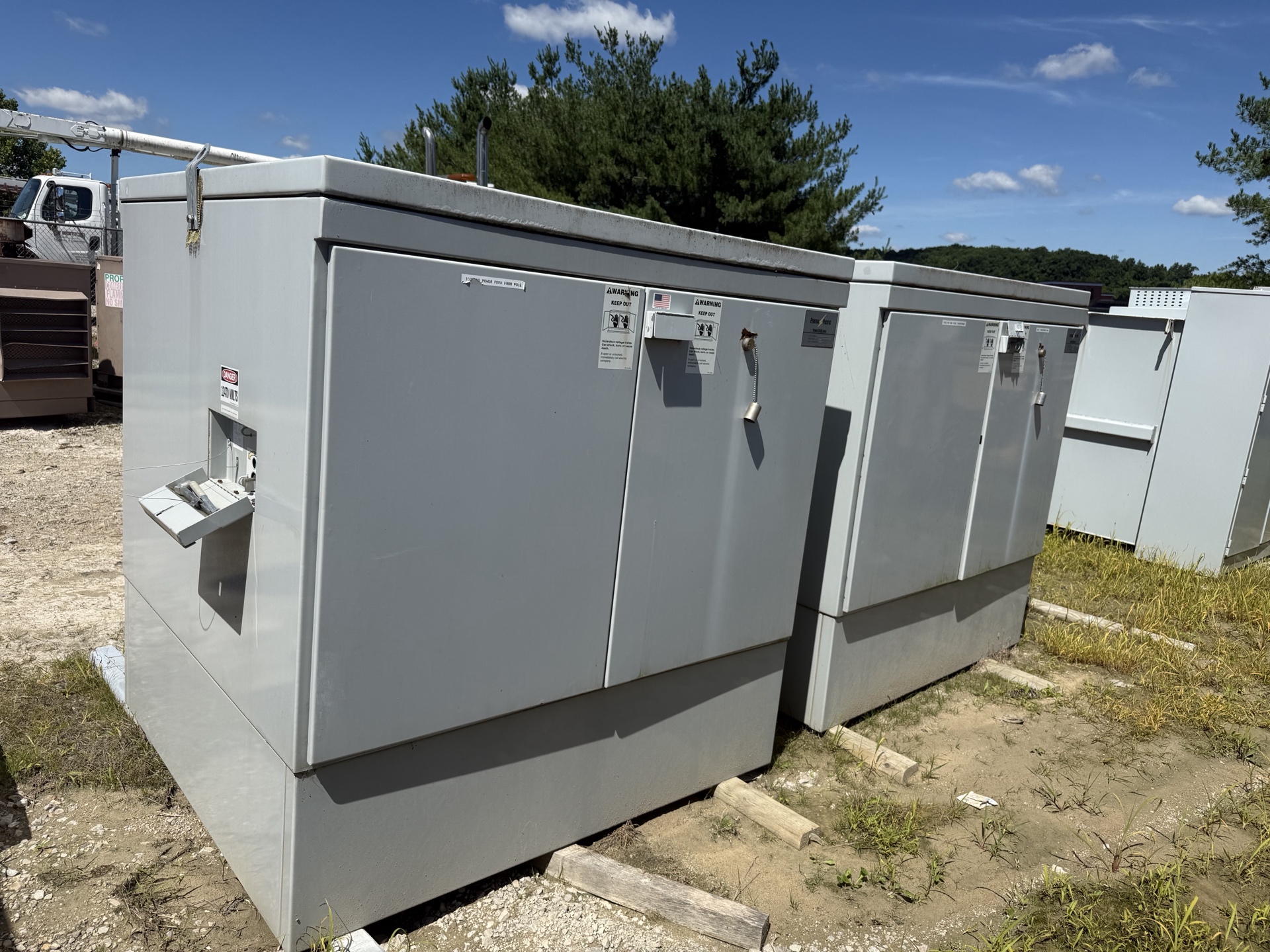
Where site policy allows pictures, take them from site-authorized safe positions and show only safely accessible exteriors and exterior labels or nameplates. Keep cabinets closed and do not photograph inside. Never approach, touch, open, operate, test, disconnect, remove or move energized or potentially energized gear, or ask staff to do so for an assessment. No seller testing, measurement, fabrication, staging, or preparation is required to request review. Any electrical work must be handled by qualified, authorized personnel in accordance with site rules and required controls.
Weigh value against incomplete visibility
A redacted list can make an initial conversation simpler, especially across multiple buildings, but limited information may narrow what can be assessed or require follow-up using permitted records. A buyer may consider accessible equipment, documented identity, quantity, condition information already on file, and removal circumstances. It may exclude assets with unclear ownership, restricted access, incomplete identification, or unacceptable removal conditions. An initial indication is not a commitment to accept every item. Each proposed purchase and seller acceptance is assessed individually, and neither price nor timing is guaranteed.
Set boundaries before sharing
Ask the owner’s security, facilities, and procurement contacts which asset fields and exterior images are approved for release, and how to transmit them. A redacted list can omit exact room locations where those are sensitive; a seller-approved building code and controlled follow-up may be enough to organize discussion. State known access restrictions and whether assets are subject to other parties’ rights, without sending confidential drawings. The buyer’s assessment concerns a possible equipment purchase, not a promise to take all listed property, demolish structures, or remediate hazardous materials.
Agree on removal responsibilities
If both parties agree to purchase the listed equipment, the buyer covers needed disconnects, crane service, rigging, loading, hauling and freight. The seller does not hire or pay a removal crew. Confirm site access, scheduling, work boundaries, authorization, and any required safety coordination before a handover. Electrical disconnects and related electrical tasks must be performed only by qualified, authorized personnel under site rules. No one should handle potentially energized equipment. The arrangement applies to the agreed equipment and does not extend to unrelated demolition, building work, or hazardous-material cleanup.
Request a review without overcommitting
A practical request can provide the redacted asset list, identify which details are documented versus unknown, and note whether safe exterior photos are permitted. The buyer makes cash offers and pays upfront for agreed purchases, with terms confirmed for each individual transaction; an offer is not guaranteed. Equipment across all voltage classes may be considered, including equipment associated with decommissioned data centers and shut-down power plants. For a possible Camden County sale, share only information approved by the owner, then clarify any proposed scope and logistics before accepting an offer.