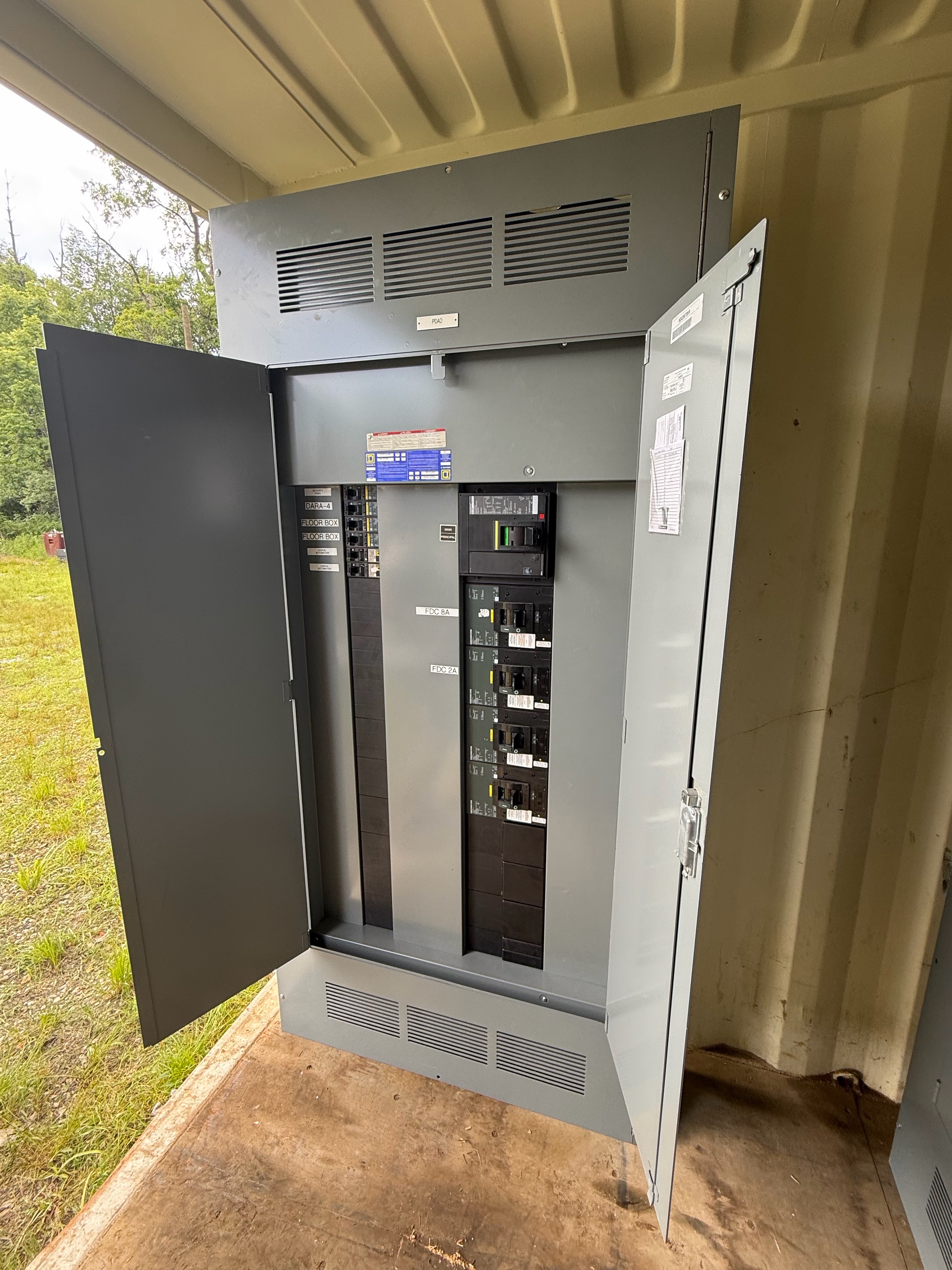
Separate installed gear from stored inventory
Start with the schedule’s descriptions: installed switchgear may appear among fixtures, while breakers, cubicles, or other spares may be listed as separate stored property. That distinction helps identify what to ask about, but it does not establish who owns an asset or whether it may be transferred. Compare the schedule with available purchase, lease, financing, and sale documents, and seek direction from the responsible owner or transaction professionals if scope is unclear. Do not remove or relocate anything to sort it. A buyer can assess specific items only after ownership and sale authority are sufficiently clear.
Make the offer list item-specific
For a possible Cherokee County transaction, organize the proposed assets by location in the schedule or existing inventory, using descriptions already available. Separate installed assemblies from stored loose items and note any items that the sale contract treats as excluded, reserved, or subject to another party’s rights. If wording is ambiguous, mark the item for clarification rather than assuming it is included. The buyer reviews each proposed purchase individually; listing an asset is not a commitment to accept it. This approach supports a clean offer scope without asking a seller to stage equipment or prepare it for inspection.
Use existing records, and preserve uncertainty
Share records already on hand, such as schedules, exterior nameplate information, photographs, and available maintenance or ownership documents. Report ratings only when supported by those records, keeping nominal system voltage, assembly voltage, and continuous current distinct from device frame, trip, and interrupting ratings. Do not infer compatibility or missing values from a partial label or a nearby unit. Unknowns can remain unknown during an initial assessment. No seller testing or measurements are required. If photographs help, they should show only safely accessible exteriors and exterior labels from site-authorized safe positions; never open a cabinet or photograph its interior.
Identify exclusions before agreeing
Make clear which assets are being offered, which are not, and which remain subject to contract review or another party’s approval. A loose spare should not be treated as included merely because it is stored near installed gear; equally, a schedule entry alone does not settle ownership. Note known missing components or uncertain descriptions using existing information, without dismantling anything to investigate. The buyer may decline an item or request clarification before an agreement. A purchase assessment does not decide contract interpretation, authorize transfer, promise acceptance of every listed asset, or include unrelated demolition or hazardous-material remediation.
Plan a safe handover, not seller removal
Never approach, touch, open, operate, test, disconnect, remove, or move equipment that is energized or may be energized. Electrical work, including any approved isolation or disconnect, must be performed only by qualified, authorized personnel under the site’s rules. Under an agreed purchase, the buyer covers necessary crane, rigging, disconnects, loading, freight, and hauling; the seller does not hire or pay a removal crew. Coordinate access, work windows, escorts, and site approvals before handover. These arrangements apply to the agreed equipment only and do not authorize work outside the purchase scope or override site safety controls.
Allow for equipment across voltage classes
The buyer considers used, surplus, and decommissioned electrical equipment across all voltage classes, including potential assets from decommissioned data centers and shut-down power plants. That broad scope does not establish that a particular assembly is suitable for another system or that every item will be purchased. For switchgear, existing records may describe the assembly and its devices differently, so preserve each recorded rating with its label or document context. Do not resolve discrepancies by inspecting interiors or conducting tests. A buyer’s review can proceed from available information, with material gaps identified for discussion rather than filled by assumption.
Confirm commercial terms before handover
For an agreed purchase, the buyer makes a cash offer and pays upfront under the agreed terms. Each offer and acceptance is assessed individually; neither price nor timing is guaranteed before agreement. Confirm in writing the specific assets included, any stated exclusions, payment arrangements, access conditions, and the planned removal responsibilities. Keep the sale schedule and relevant approvals aligned with that scope. This gives the parties a practical reference for payment and collection without treating an initial asset list as authorization to transfer every fixture or stored spare. No seller testing, preparation, or crew payment is required under the described purchase arrangement.