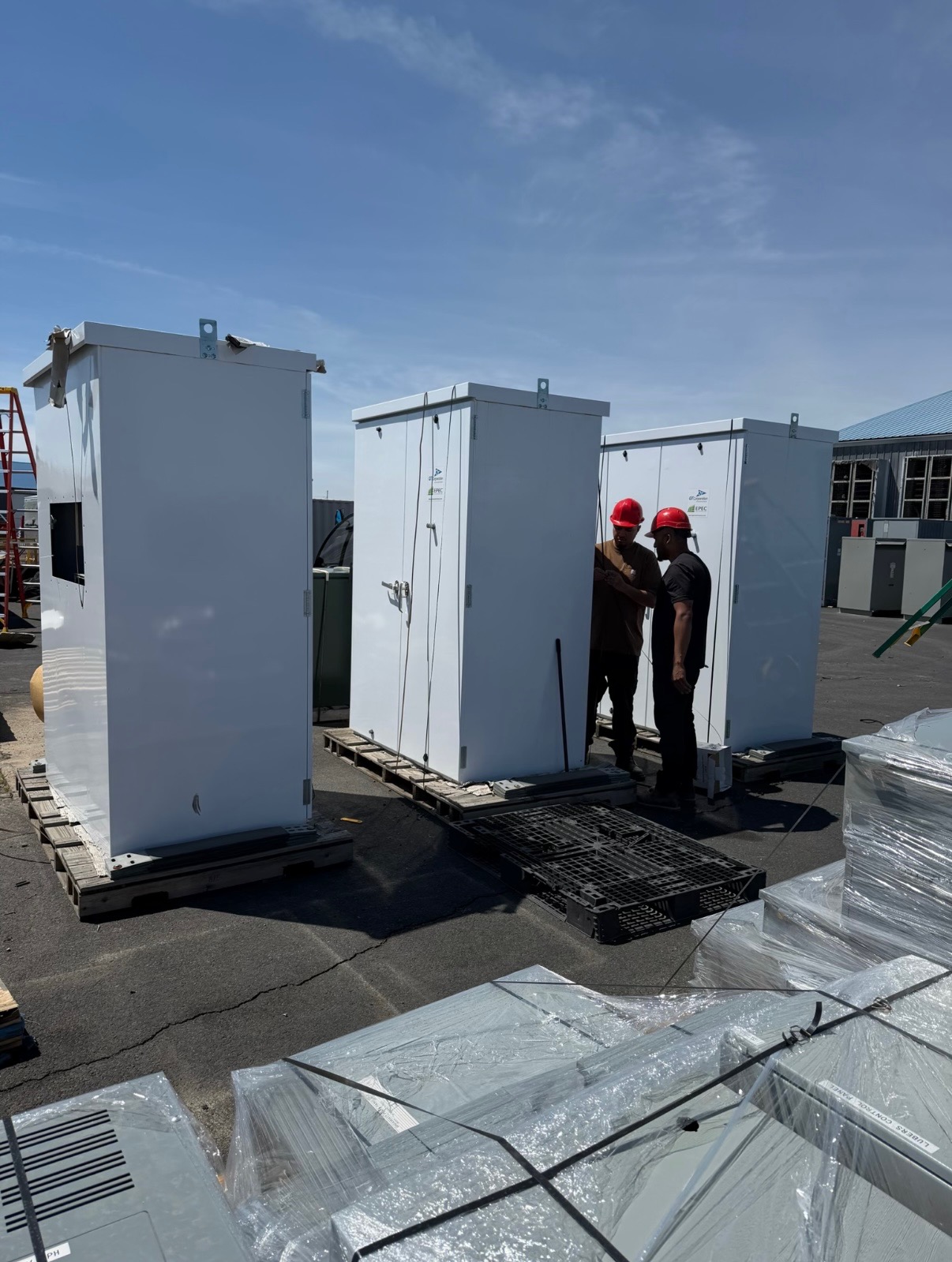
Separate ownership from site access
Start by identifying who owns the switchgear and who can authorize a sale: the property owner, former tenant, lender, or another party may control different decisions. A development team should not assume that possession of a building includes authority to transfer equipment left behind. Check lease closeout documents, purchase records, asset schedules, and any written release or authorization already available. Also establish when the buyer may enter and which site representative can approve access and coordinate with the departing tenant. If ownership or authority is disputed, resolve that before requesting a binding offer. A buyer can assess a possible purchase, but cannot replace the seller’s responsibility to confirm the right to sell.
Build an assessment from records first
Existing documents can describe equipment without requiring a seller to test it. Useful records may include invoices, asset lists, prior maintenance paperwork, one-line diagrams, and readable exterior nameplate information. Keep documented values in their proper categories: nominal system voltage, assembly or equipment voltage, continuous-current rating, device frame and trip ratings, and interrupting rating are not interchangeable. Do not fill gaps with assumptions or infer compatibility from a neighboring panel. Photos are optional and should show only safely accessible exteriors and exterior labels or nameplates from site-authorized safe positions; never open a cabinet or photograph its interior. Missing records can be disclosed as unknowns. No seller testing is required to request an assessment.
Prioritize safe access, not inspection
Vacant or changing-occupancy sites can have uncertain electrical status, so treat switchgear as energized or potentially energized unless qualified, authorized personnel determine otherwise under site rules. Do not approach, touch, open, operate, test, disconnect, remove, or move it. Any electrical work must be performed only by qualified authorized personnel following the site’s safety procedures and authorization process. A buyer’s initial review can use records and permitted exterior photographs; it is not a reason for a development team to arrange an informal inspection or prepare equipment. If safe access is unavailable, say so and discuss what information can be provided without approaching the equipment. Site safety takes priority over speed or sale potential.
Compare value with redevelopment constraints
Potential sale value is only one part of the decision. Consider whether the equipment is included in a tenant settlement, whether another party claims it, and whether the site schedule allows an agreed handover before construction work changes access. Unknown operating condition, incomplete records, damage, missing components, and restrictions on entry may affect an individual assessment; none should be concealed or guessed away. A buyer evaluates the specific equipment and circumstances and may decline a purchase. The same independent buyer considers used, surplus, and decommissioned electrical equipment across all voltage classes, including equipment from decommissioned data centers and shut-down power plants. That scope does not establish suitability, compatibility, or acceptance for any particular asset.
Get payment and removal terms in writing
For an agreed purchase, the buyer makes a cash offer and pays upfront under the accepted transaction terms. Offer amount, acceptance, and timing are assessed individually; no price or schedule is guaranteed. Put the agreed equipment, payment arrangements, access window, responsibilities, and handover conditions in writing before work is scheduled. Under an agreed purchase, the buyer covers necessary crane, rigging, disconnects, loading, freight, and hauling; the seller does not hire or pay a removal crew. Confirm site authorization and coordination needs in advance so the parties can plan a controlled handover. This arrangement concerns the purchased equipment only: it is not a commitment to demolish buildings or remediate hazardous materials.
Make the first request concise and useful
A practical inquiry can identify the site generally, the seller’s authority to transfer the equipment, the records available, visible exterior labels, access restrictions, and the redevelopment timing. Share photographs only if they can be taken safely from site-authorized positions and show equipment exteriors or exterior nameplates; do not open cabinets or enter restricted areas to improve documentation. State clearly which details remain unknown, rather than arranging seller tests or preparation. If a purchase is agreed, coordinate the handover with the authorized site contact and follow all site rules. The buyer can review the information and make an individual decision, but the inquiry itself does not guarantee an offer, acceptance, or removal date.