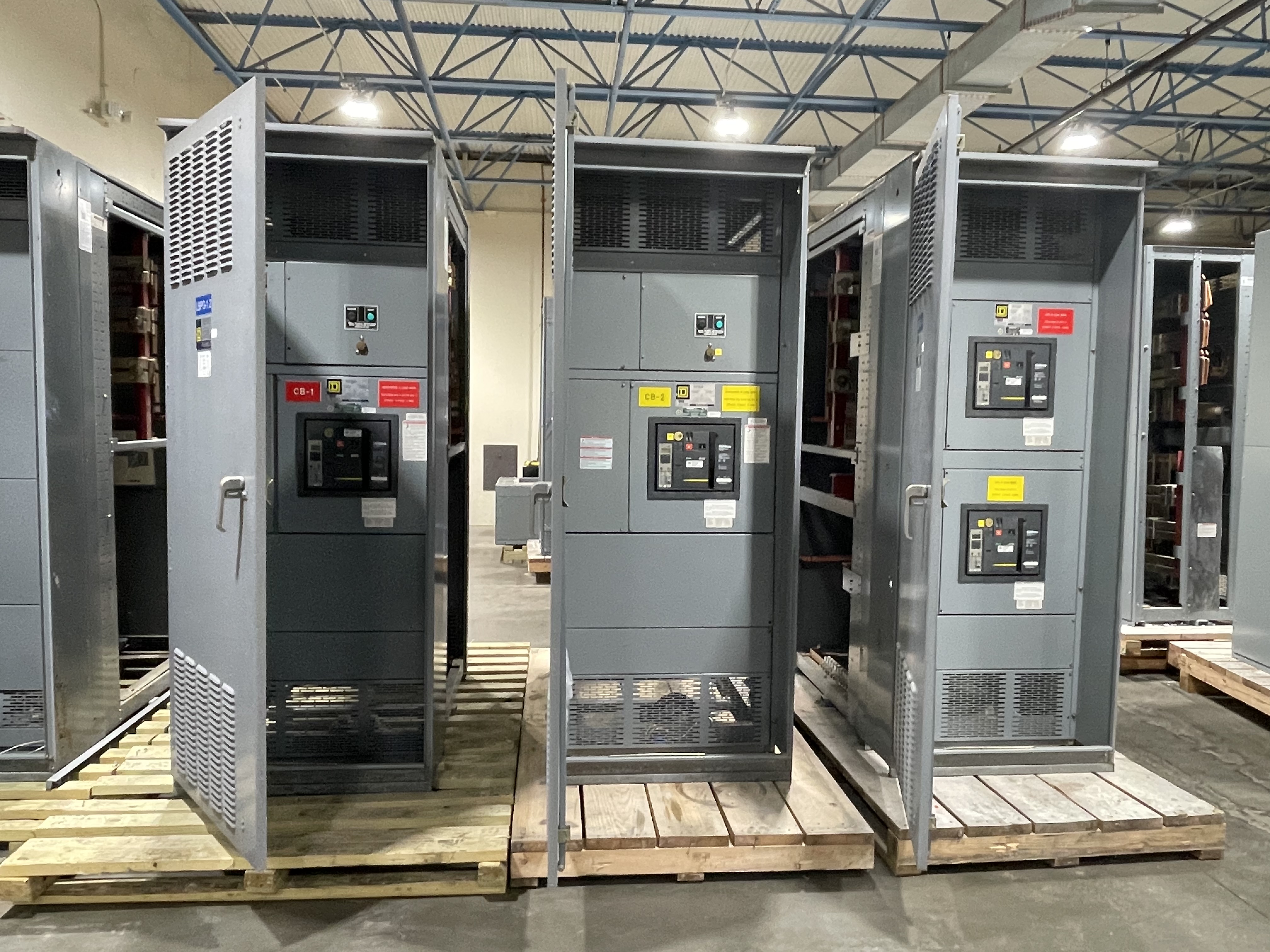
Start with ownership, not the equipment lineup
A temporary installation may include visually similar switchgear supplied under different agreements. A rental provider may own one distribution assembly, a contractor may own another, and the facility may hold a permanent spare or retired section. Do not treat shared location, labeling, or project use as proof of ownership. Build a simple inventory with each item’s description, current custodian, suspected owner, and the record supporting that conclusion. If ownership is uncertain, pause that item while the responsible parties review the agreement, asset register, or purchase record; an offer requires authority to sell.
Separate rented gear from sale candidates
Rental terms can govern return, permitted use, and responsibility for loss, so rented equipment should not be presented as facility-owned surplus merely because a project has ended. Ask who issued the rental agreement, whether it covers the complete lineup or individual components, and what return obligations remain. Record rental asset numbers from documents or safely accessible exterior labels. If a rental provider owns the gear, direct the sale discussion to that owner. Keep it distinct in the inventory so a buyer can assess eligible facility or contractor assets without confusing them with equipment that must be returned.
Confirm contractor ownership and authority
Contractor-owned equipment can be a genuine sale candidate, but custody at the site does not transfer title to the facility. Check the purchase record, contract closeout, or written authorization from the contractor’s asset owner. If a contractor supplied equipment for temporary service and intends to retain it, exclude it from the facility’s offering; if it authorizes a sale, document who may sign and arrange release. Also identify whether a listed breaker or section is separately owned or part of a larger assembly. Resolve that boundary before describing the lot, rather than assuming connected equipment has one owner.
Identify facility-held equipment precisely
For facility-owned items, compare the asset register and retirement records with what is safely visible. Distinguish a switchgear assembly from an individual breaker, and note whether a breaker is installed, stored separately, or included in the proposed sale. Capture exterior nameplate information only from an authorized safe position, without approaching or interacting with equipment where site rules do not permit access. Useful records may include manufacturer, catalog or type designation, frame and trip information, nominal voltage, and listed ratings. These are different attributes; one does not establish another, and none alone confirms compatibility or condition.
Make a useful inventory without testing
Separate entries by owner and describe configuration in plain terms: complete assembly, section, or loose component, with quantities and any documented accessories. Note visible damage only if it can be observed safely. Do not energize, open, operate, test, disconnect, or move equipment to improve an inventory or obtain photographs. Seller testing and preparation are not required. If safe access is limited, use existing records and say which details remain unconfirmed; a buyer can assess the available information and the equipment individually. Offers are not guaranteed, and equipment from a decommissioned facility is not automatically acceptable just because it is surplus.
Plan removal around authorization and site controls
Once ownership and sale authority are clear, discuss access, pickup constraints, and responsibility for coordinating the site. Electrical disconnects and related electrical work must be performed by qualified, authorized personnel under site rules—not by an unqualified seller or a buyer’s visitor. For accepted equipment, the buyer covers crane, rigging, loading, freight, and hauling; the actual approach depends on the item, access, and site conditions. Confirm who can authorize entry, any required scheduling or escorts, and whether the facility has restrictions for lifting or vehicle access. Do not assume a quote includes unrelated demolition or hazardous-material work.
Compare offers on the same eligible scope
Request an assessment for clearly identified, authorized-to-sell assets, keeping rented items and unresolved contractor property outside the sale scope. If a lot mixes ownership categories, separate descriptions and supporting records make it easier to compare the same eligible equipment rather than a misleading combined total. This buyer purchases used, surplus, and decommissioned electrical equipment across all voltage classes, but each asset and offer is assessed individually. For equipment accepted for purchase, the buyer offers cash and pays upfront; neither acceptance nor a particular price or timing is assured. Before proceeding, reconcile the final scope with the owner’s release and the site’s removal authorization.