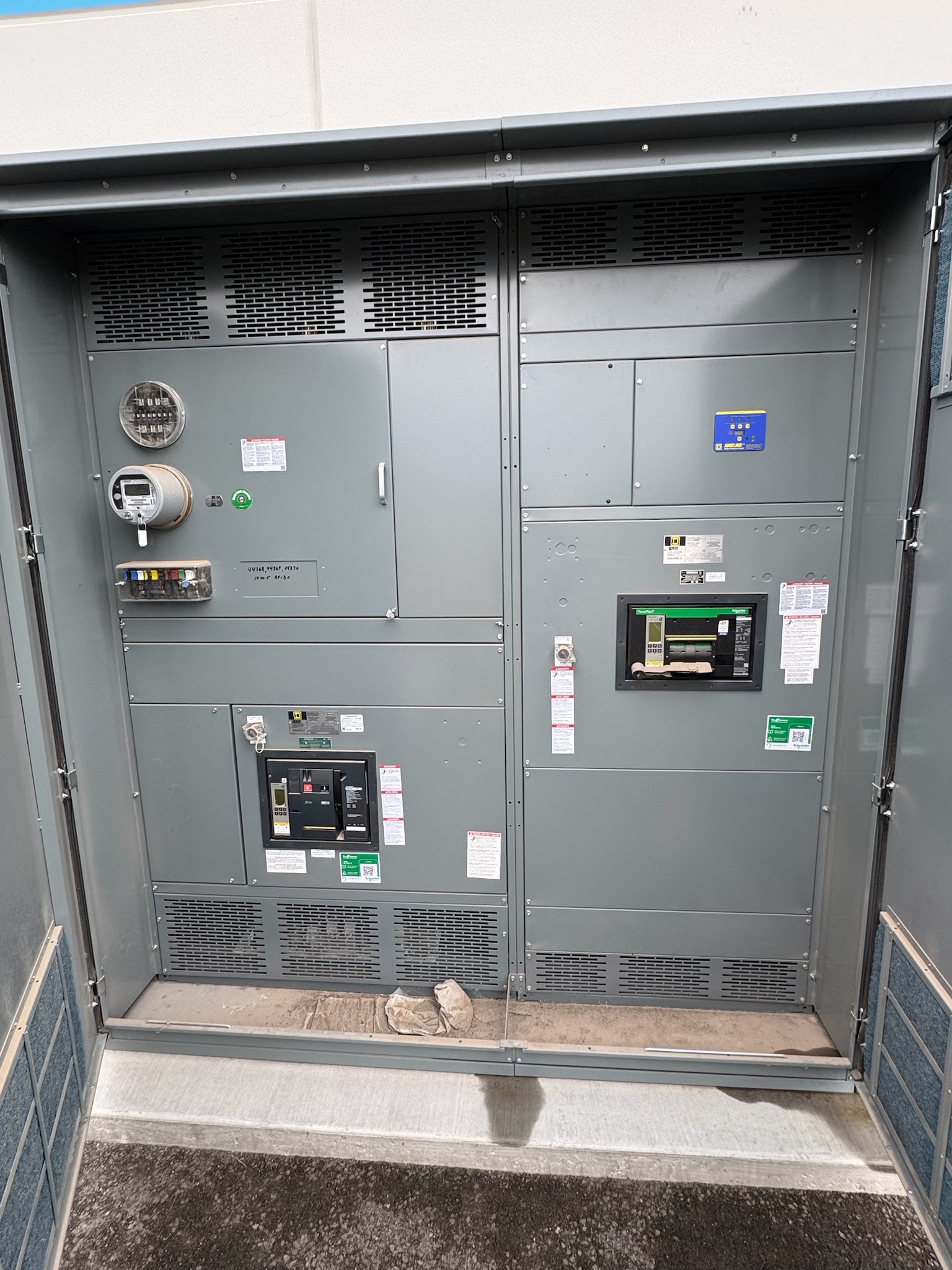
Separate line-specific controls from shared distribution
If a production line is being changed, first identify what each switchgear assembly serves. A cabinet dedicated to one machine may become surplus when that machine and its controls are retired. A lineup feeding several areas, a common bus, or equipment that remains in service may still be operationally necessary, even if one outgoing feeder is no longer needed. Ask the site’s qualified electrical personnel to confirm the functional boundary using approved records and site procedures. Record which line is ending, which loads continue, and whether any shared section remains required. Do not treat a machine’s removal or a planned shutdown as proof that connected switchgear is available to sell.
Compare removal value with continuity risk
The practical tradeoff is often between recovering value from a retired assembly and preserving capacity for production that continues. For example, a line-specific motor-control section could be considered separately from an upstream assembly serving both that line and active machinery. Selling the upstream gear might require a larger redesign or replacement decision than the changeover itself. Before requesting an offer, establish whether the proposed surplus boundary leaves the continuing operation with its required distribution and protection. If that boundary is uncertain, pause the sale discussion until authorized site staff resolve it. The buyer can assess described assets, but cannot determine the site’s electrical operating needs for the seller.
Describe assemblies and ratings accurately
Use the nameplate and available asset records to describe each assembly, breaker, bus, frame, and trip unit as distinct items where information is legible and safely accessible. These terms are not interchangeable: a breaker’s frame and trip details do not, by themselves, describe the full assembly or establish its suitability for another installation. Note nominal voltage and available rating information without inferring missing values or compatibility. If the assembly contains sections serving different functions, identify those boundaries from documentation rather than opening equipment. Buyers consider all voltage classes, but that does not guarantee acceptance of any particular item. Unknown or incomplete details should be reported as unknown, not guessed.
Document the changeover without unsafe access
Prepare a concise inventory showing asset identifiers, quantities, known service function, and whether each item is proposed as surplus or retained. Include the changeover’s expected sequence only to clarify when equipment ceases serving the line; do not represent a future shutdown as completed. Photographs should be limited to safely accessible exterior nameplates and equipment, taken from authorized safe positions under site rules. Never approach or handle energized equipment to get a picture, and do not open covers or operate, test, disconnect, or move gear for documentation. Electrical work and any determination of safe access belong to qualified, authorized personnel. Clear records help distinguish the offered items from retained equipment.
Coordinate scope, payment, and removal planning
For equipment the seller owns or is authorized to sell, an independent buyer may assess surplus switchgear for a cash offer and pays upfront when a transaction is agreed. Seller testing is not required, and no seller preparation or hiring of a removal crew is required. The buyer covers freight, crane, rigging, disconnects, loading, and hauling as arranged for the accepted scope. Still, site access, timing, retained assets, and the exact removal boundary need discussion; assessment is individual, with no guaranteed offer or outcome. Disconnects and all other electrical work must be performed by qualified, authorized personnel under site rules, not by unqualified seller staff or the buyer’s copywriter.
Make the pickup boundary explicit
Before an offer is finalized, reconcile the inventory against the production-changeover plan: what is retired, what remains, and what interfaces or shared sections are excluded. Ask who confirms ownership authority, who identifies the safe work boundary, and what site approvals govern access and loading. If the line is being retired in stages, specify which assets are available at each stage rather than grouping an entire lineup under one label. The equipment pickup location is in Clinch County; that does not imply a local buyer office or prior project. A precise boundary lets the buyer assess the proposed equipment and plan covered logistics without assuming unrelated demolition or remediation.