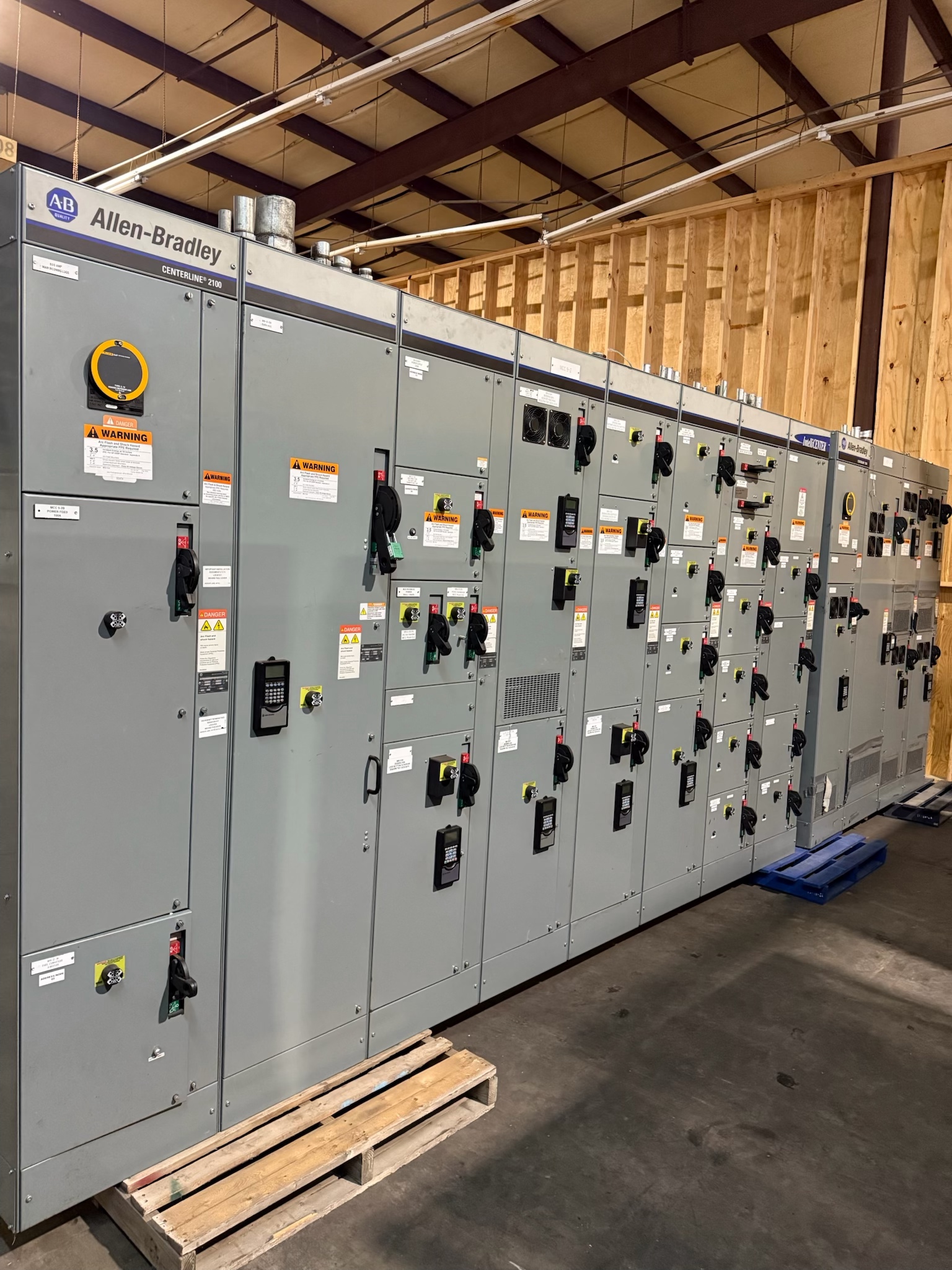
Build an inventory from records you have
Make a short list using existing documents and observations made from a safe, authorized location. Include the equipment type if known, quantity, manufacturer or model only when documented, approximate location within the compound, and whether items appear complete or separated. Note missing records plainly. A switchboard schedule, asset register, purchase record, or exterior nameplate photograph may help identify an item, but none should be treated as proof of every rating or suitability. Do not create new measurements or conduct tests for the assessment; a concise account of what is known and unknown is more useful than unsupported detail.
Keep electrical ratings distinct
Partial records can mix values that describe different things. If documentation provides them, report nominal system voltage separately from assembly or equipment voltage, and list continuous current, device frame, trip setting or rating, and interrupting rating as distinct fields. Do not infer one from another, or assume a value applies to every section or device in an assembly. If a record is ambiguous, quote its wording and identify its source and date where available. Unknown ratings are acceptable at the inquiry stage; the buyer assesses the information provided and does not require the seller to test or measure equipment.
Share exterior photos only when safe
Photos are optional and should be limited to equipment exteriors and exterior labels or nameplates that are safely accessible from a position authorized by the site. Follow compound access rules and take no image if reaching the item would require approaching a hazard. Keep cabinets closed; never open an enclosure or photograph its interior. Do not approach, touch, open, operate, test, disconnect, remove, or move equipment that is energized or may still be energized. A photo cannot establish electrical condition or replace site records, and no image is worth bypassing an access restriction.
Identify exclusions and unresolved site conditions
Describe what is included in a possible sale and what is not: for example, whether the list covers only identified switchgear or also separately documented associated equipment. Flag uncertain ownership, missing components, damaged exterior sections, restricted access, and records that may refer to a different asset. Do not promise that every listed item is acceptable; each offer and acceptance depends on individual review. The buyer purchases equipment across all voltage classes and also considers equipment from decommissioned data centers and shut-down power plants, but that broad scope is not a guarantee of acceptance for any particular unit.
Agree on access before any handover
For an agreed purchase, the buyer covers the necessary crane, rigging, disconnect work, loading, freight, and hauling as part of the arranged handover. The seller is not expected to hire or pay a crew for that removal. Confirm access windows, gate procedures, escort requirements, lifting restrictions, and responsible site contacts before scheduling; do not treat an assessment as authorization to enter or perform work. Any electrical work must be carried out by qualified, authorized personnel following site rules. No seller-side disconnection or movement should be attempted to prepare equipment for collection.
Know what the purchase process does not include
A cash offer is made after the available information and proposed handover are reviewed, and payment is made upfront for a purchase the parties agree to. Price and timing are assessed case by case, not guaranteed in advance. The assessment concerns potential equipment purchase and agreed removal logistics; it does not promise demolition, cleanup of unrelated materials, or hazardous-material remediation. If records identify a concern outside the equipment transaction, state it clearly so responsibilities can be discussed rather than assumed. Keep any site access or environmental obligations governed by the owner’s procedures and applicable requirements.
Send a clear, low-effort inquiry
Provide the Dade County location, a contact authorized to discuss the assets, the existing inventory or records, known exclusions, and any access limitations. Attach only safe exterior photographs if available; do not arrange testing, measurements, staging, fabrication, or cabinet access to strengthen the request. The buyer can then decide whether to seek clarification, make an offer, or decline the opportunity. If the purchase is agreed, confirm the asset scope, upfront payment arrangements, access plan, and removal responsibilities in writing before handover. Until then, leave the equipment and surrounding area under site control.