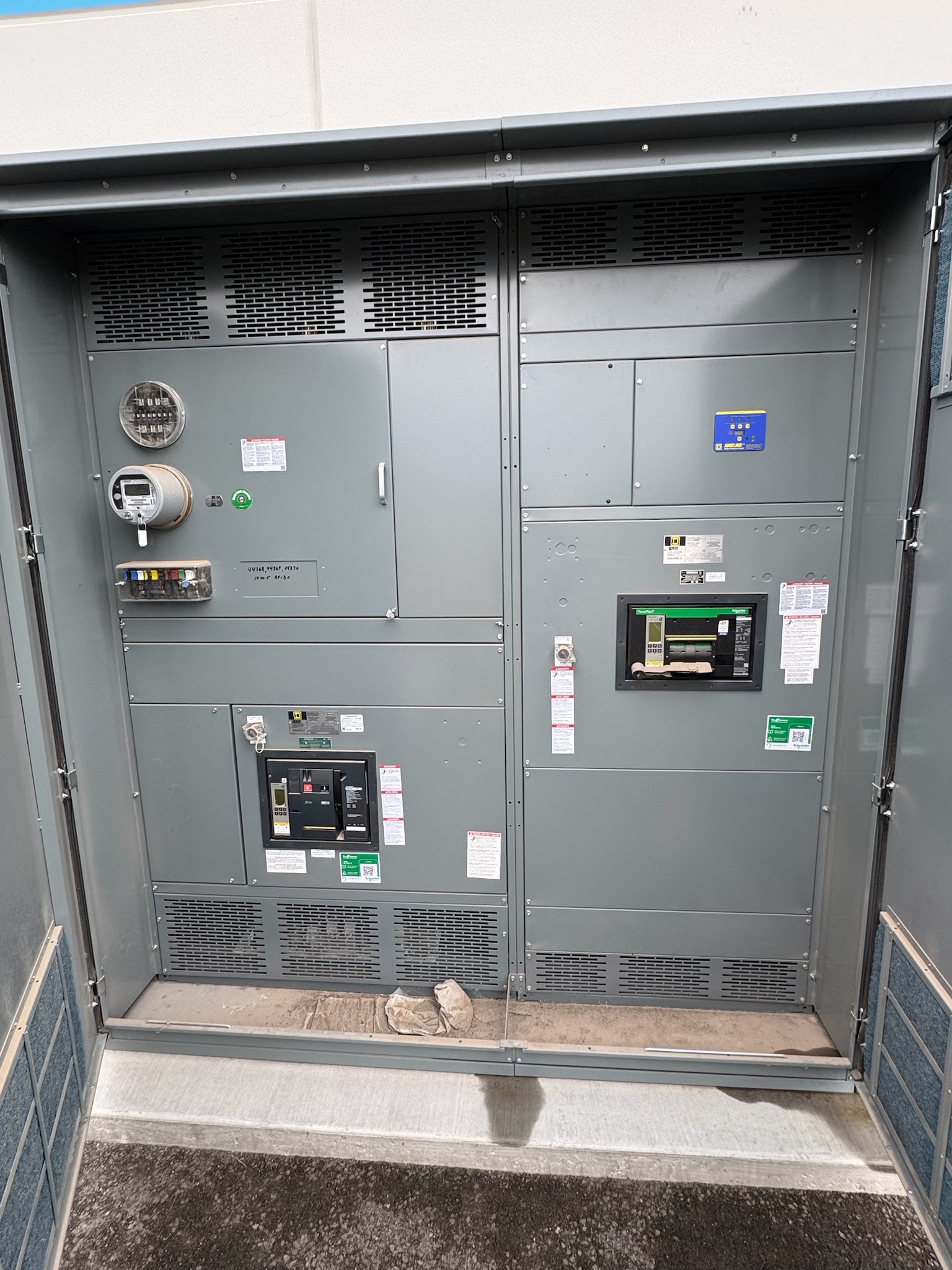
Use the one-line as an index, not a verdict
A legacy one-line can give an inventory structure: lineup, section, nominal voltage, and the feeders or sources the drawing says connect there. That is useful when a seller must distinguish several assemblies that otherwise look alike. But drawings may predate modifications, replacement breakers, or changes in service. Treat each notation as a lead to verify against safely accessible exterior nameplates and records, not proof that a component is present, functional, complete, or suitable for resale. A discrepancy is a reason to document uncertainty, not to guess or operate equipment.
Separate documented configuration from present inventory
Make a reconciliation table with drawing reference, equipment tag if visible, observed exterior identification, and a status such as confirmed, unclear, or not located. For example, a feeder breaker shown on an older drawing but not identifiable from a safe exterior position should remain unresolved—not be counted as a verified breaker. Record drawing date and revision where available, plus known change records. Do not open doors, remove covers, or approach energized gear to settle a mismatch. Qualified authorized personnel must handle any electrical work under site rules; a buyer can assess the information supplied alongside the assets.
Inventory assemblies and breakers distinctly
“Switchgear” may describe an assembly, while a breaker is an individual device within or associated with that assembly. Capture both levels: lineup or section identification, and separately any breaker identification visible without unsafe access. Note whether the drawing’s labels appear to refer to a frame, trip unit, or complete breaker; those terms are not interchangeable. A frame designation alone does not establish the trip rating, and a drawing symbol does not prove the breaker is still present. Clear distinctions reduce the chance that an inventory overstates included components or conflates unlike items in a potential offer.
Record ratings as evidence, not assumptions
Where an exterior nameplate is safely accessible, photographs can help document its text and equipment identity. Take them only from an authorized safe position; never approach, touch, open, test, or move equipment to get a better image, and do not photograph energized gear from an unsafe location. Transcribe legible information and mark unreadable fields unknown. Keep nominal voltage separate from current ratings and other nameplate values. Neither a one-line nor a visible rating establishes condition, compatibility, or suitability for another system. If the drawing and plate differ, preserve both records and identify the conflict for review.
Decide what uncertainty is worth resolving
Before spending effort on old records, ask whether the missing detail could change how the equipment is identified, grouped, or valued. A conflicting lineup tag may matter more than an illegible note about a remote feeder; an uncertain breaker count may affect whether components are offered together or separately. Gather existing drawings, revision history, asset lists, and safely obtained exterior photos, but do not commission seller testing or undertake preparation just to make an inquiry. No seller testing is required. The buyer considers the available information and assesses assets and any offer individually, without presuming acceptance or a particular price.
Plan Columbia County pickup around actual access
If equipment is located in Columbia County, describe the pickup address or site area, access restrictions, loading constraints, and what is included in the proposed lot. Drawings can help anticipate a lineup’s footprint or identify sections for discussion, but they do not establish weights, rigging points, clearances, or a safe removal method. Share known site requirements and let the pickup plan be evaluated against actual conditions. The buyer covers crane, rigging, disconnects, loading, freight, and hauling when arranged as part of an accepted transaction; qualified authorized personnel perform electrical work under site rules.
Compare the offer with the scope and payment terms
Ask whether an offer covers the identified assembly, separately listed breakers, or only specified components, and clarify how unresolved drawing discrepancies affect that scope. The company buys used, surplus, and decommissioned electrical equipment, including assets from decommissioned data centers and shut-down power plants, across all voltage classes; that does not mean every item will be accepted. If an offer is made, payment is cash and paid upfront under the agreed transaction terms. Confirm the listed assets and pickup responsibilities before proceeding, and ensure the seller owns the equipment or has authority to sell it.