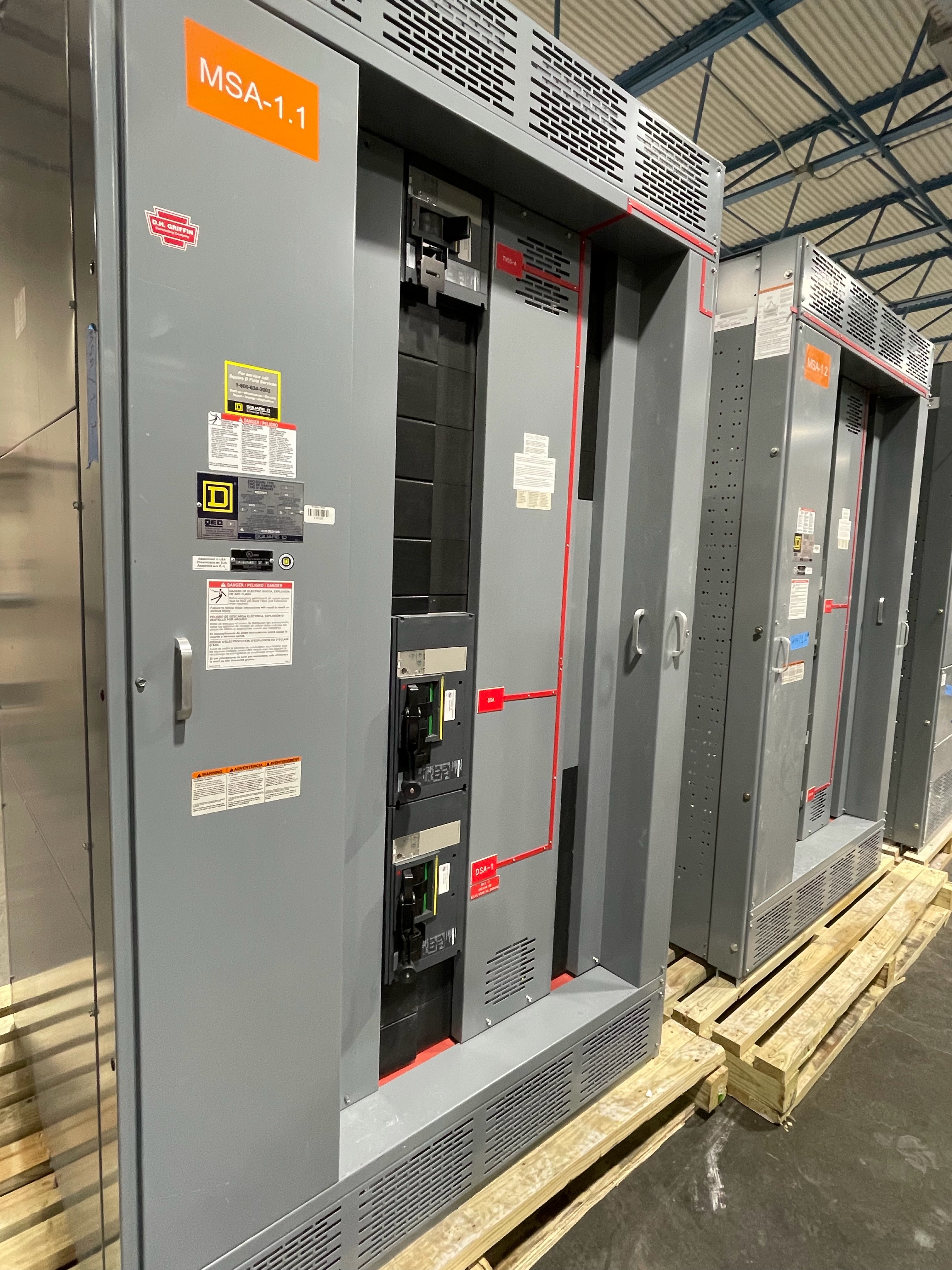
Keep each facility’s ownership trail distinct
Start with two separate inventories, even if the same organization controls both facilities. Identify the legal owner or authorized seller for each location, who can approve a sale, and who holds the relevant records. If ownership changed, note any known transfer date or supporting document rather than assuming that a shared asset list proves title. The buyer can assess assets individually, but an offer depends on the seller’s authority to transfer them. Where that authority is unclear, identify the gap early and route it to the appropriate records custodian before acceptance.
Label counts by confidence, not appearance
Report counts separately for each site and explain how they were established: for example, a current register, an older spreadsheet, or an approximate count from safely accessible exterior views. Mark uncertainty plainly, such as “about six, record not reconciled,” rather than presenting an estimate as verified inventory. Flag duplicated entries, missing tags, or items whose location is uncertain. No seller count needs to be produced by approaching or handling equipment. The buyer will assess the submitted information and any safely available exterior photographs; an individual offer is not guaranteed.
Separate equipment identity from electrical ratings
Share existing nameplate records, schedules, purchase documents, or other available files, while distinguishing what each value describes. Nominal system voltage, assembly or equipment voltage, continuous-current rating, device frame, trip setting or rating, and interrupting rating are different fields; do not combine them or infer one from another. Include a value only when an existing record supports it, and mark absent or uncertain details as unknown. If records conflict, retain both entries with their sources. No measurement or testing by the seller is needed to request an assessment.
Describe what is included and what is not
For each proposed group, list known switchgear, associated components, cabinets, or spare devices only when existing records identify them. State whether the inventory is a complete assembly, selected spares, or an unverified mixed lot, and note exclusions such as items reserved for ongoing operations or owned by another party. Do not assume that similar appearance means compatibility or that a component belongs with a particular assembly. The buyer purchases used, surplus, and decommissioned electrical equipment across all voltage classes, including equipment from decommissioned data centers and shut-down power plants; any specific asset remains subject to individual assessment.
Share evidence without creating a safety task
Useful records may include inventories, asset tags already documented, maintenance files, drawings, and exterior nameplate information. Use only site-authorized safe positions for optional photos of safely accessible equipment exteriors or exterior labels and nameplates. Cabinets must stay closed, and their interiors must not be photographed. Never approach, touch, open, operate, test, disconnect, remove or move energized or potentially energized gear. Any electrical work must be performed only by qualified, authorized personnel under site rules. The seller is not expected to test equipment, take measurements, stage assets, or prepare them for pickup.
Plan a handover around site control
Before acceptance, identify each facility’s access contact, applicable site procedures, scheduling constraints, and any known loading limits recorded by the site. These details support planning; they do not authorize entry or electrical work. For an agreed purchase, the buyer covers necessary crane, rigging, disconnects, loading, freight, and hauling under the agreed arrangement. The seller does not hire or pay a removal crew. Work and access remain subject to site authorization and qualified personnel. This is a purchase handover, not a commitment to perform unrelated demolition or hazardous-material remediation.
Request an assessment with a two-site summary
A practical inquiry can group the information by facility: owner and approving contact, location, item description, count and confidence, supporting records, known exclusions, and safe exterior photos if available. State plainly where the two custodians’ records differ instead of merging uncertain figures. For agreed purchases, the buyer makes cash offers and pays upfront according to the accepted terms; neither price nor timing is guaranteed, and every offer and acceptance is assessed individually. No seller testing or removal preparation is required to request consideration, and submitting an inventory does not commit either party to a purchase.