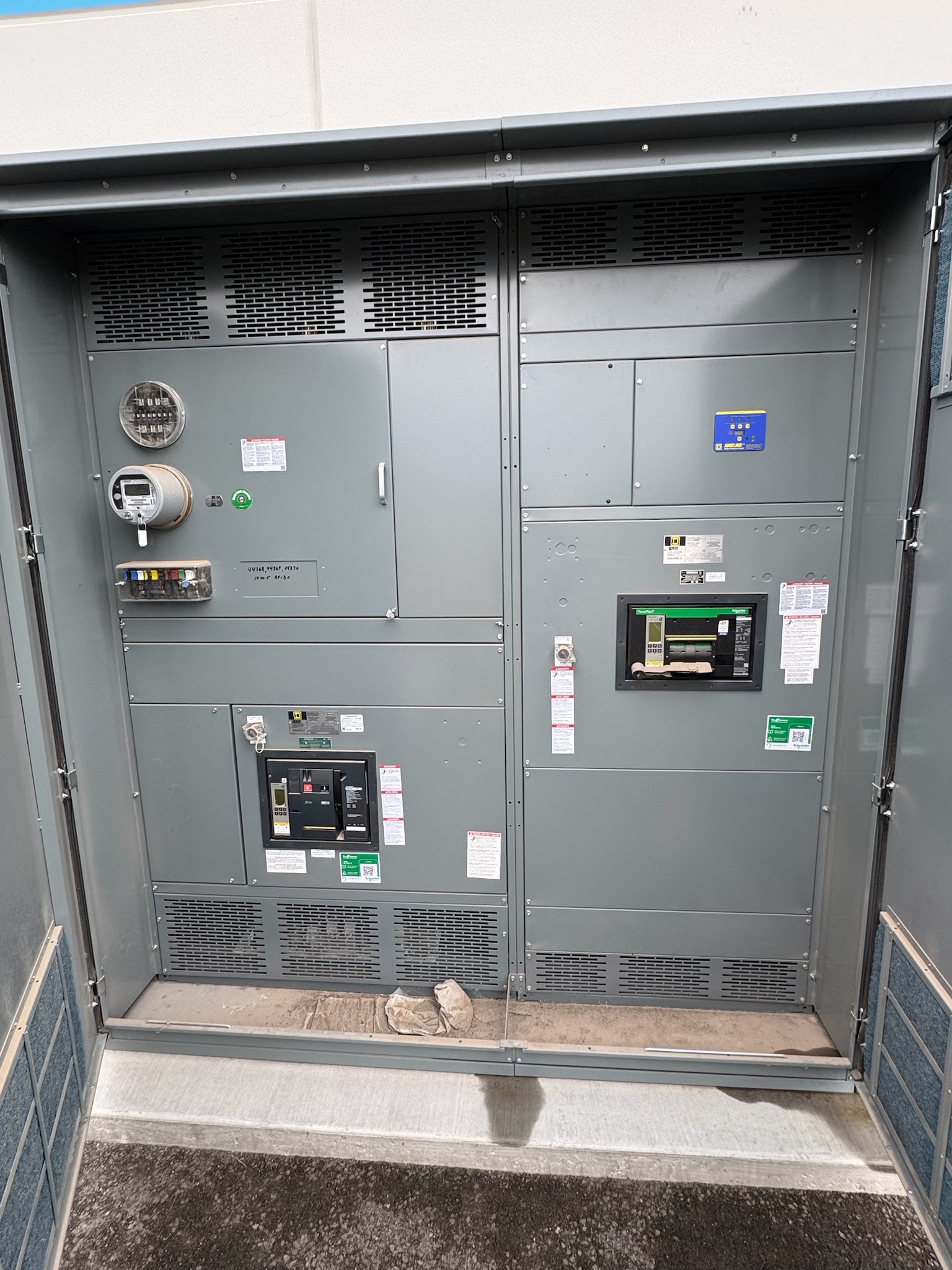
Draw a precise boundary around the electrical assets
Start by describing what is offered as electrical equipment, not simply as “the plant” or “the contents.” A proposed scope might identify switchgear lineups, standalone sections, associated breakers or other electrical assets only when their identity and inclusion are clear. List process machinery, piping, structural steel, building components and unrelated controls as excluded unless separately assessed and expressly agreed. This distinction helps avoid confusion where electrical assemblies serve process loads but are physically integrated with machinery. Use existing asset lists, drawings or room inventories to mark included and excluded items; sellers do not need to dismantle assemblies or prepare equipment for review. The buyer may assess used, surplus and decommissioned equipment of all voltage classes.
Use records to describe ratings without guessing
Gather available one-lines, equipment schedules, purchase records, nameplate transcriptions, maintenance files and prior decommissioning documents. Keep rating categories distinct: a nominal system voltage is not necessarily the assembly’s voltage rating, and neither establishes continuous current. A breaker’s frame rating, trip rating and interrupting rating are separate values; none alone confirms suitability or compatibility. Report values only when supported by records, and label missing, conflicting or uncertain information as unknown rather than estimating. Existing documents can help identify equipment for an assessment, but the buyer does not require seller testing or measurements. No seller test, energization, cabinet opening or new technical survey is needed to request a purchase assessment.
Set commercial terms asset by asset
An independent buyer reviews the described equipment and available records before deciding whether to make an offer. Offers and acceptances are evaluated individually, so neither a purchase nor a particular price or schedule is assured. For purchases both parties agree to, the buyer makes a cash offer and pays upfront under the agreed transaction terms. Confirm in writing which assets are included, any stated exclusions, payment arrangements, access conditions and the contemplated removal sequence. A possible sale of switchgear does not automatically include process machinery or other property contents. If an item’s ownership, identity or inclusion is unclear, resolve that boundary before acceptance rather than assuming it is part of the electrical lot.
Keep demolition and remediation responsibilities separate
A purchase of identified electrical assets is not a promise to demolish a building, remove unrelated machinery, clear the entire site or remediate hazardous materials. The property owner or its separately retained contractors must define and arrange any demolition or cleanup outside the agreed equipment purchase. Before scheduling work, establish the work area, access permissions, site contact, operating restrictions and any required permits or contractor approvals under the property’s own rules. Do not represent the buyer’s equipment removal as a substitute for a demolition plan. If demolition sequencing affects access to the electrical assets, the parties should agree on boundaries and timing in advance, with all related work assigned to authorized parties.
Plan a safe handover without seller handling
Never approach, touch, operate, test, open, disconnect, remove or move equipment that is energized or potentially energized. Electrical work and any isolation or verification must be performed only by qualified, authorized personnel under site rules. Photos may show only safely accessible equipment exteriors and exterior labels or nameplates, taken from site-authorized safe positions; do not open cabinets or photograph interiors. For an agreed purchase, the buyer covers necessary crane, rigging, disconnects, loading, freight and hauling as provided in the agreement. The seller does not hire or pay a removal crew. Coordinate access and work windows with site management; sellers need not stage, prepare or handle the equipment.
What a Fannin County inquiry can include
For a possible Fannin County opportunity, an initial inquiry can state the property setting, the proposed electrical-only scope, known exclusions and available records. Note whether the equipment is described as decommissioned, surplus or still subject to site controls, without attempting to verify its condition yourself. Existing exterior photographs and records may help identify the assets, but share images only when safe access and site authorization permit. The same buyer considers equipment from decommissioned data centers and shut-down power plants, as well as other sources, across all voltage classes. A location or inquiry alone does not establish acceptance or service timing; the proposed assets, access conditions and terms receive individual review.