Set the access rules before arranging a visit
If site access requires an escort, ask the authorized site contact to define who approves entry, how visitors are sponsored, and whether an escort must remain with the buyer’s representative throughout the visit. Visitor restrictions may limit headcount, approved hours, tools, or access to adjoining areas. Those limits affect whether an initial visual review is useful or a later, separately approved removal visit is needed. Do not assume an escort can authorize photography or electrical work. Record the contact responsible for each approval and the boundaries of the approved visit. Any disconnecting or other electrical work must be assigned to qualified, authorized personnel and follow site rules.
Make photography useful without exposing the site
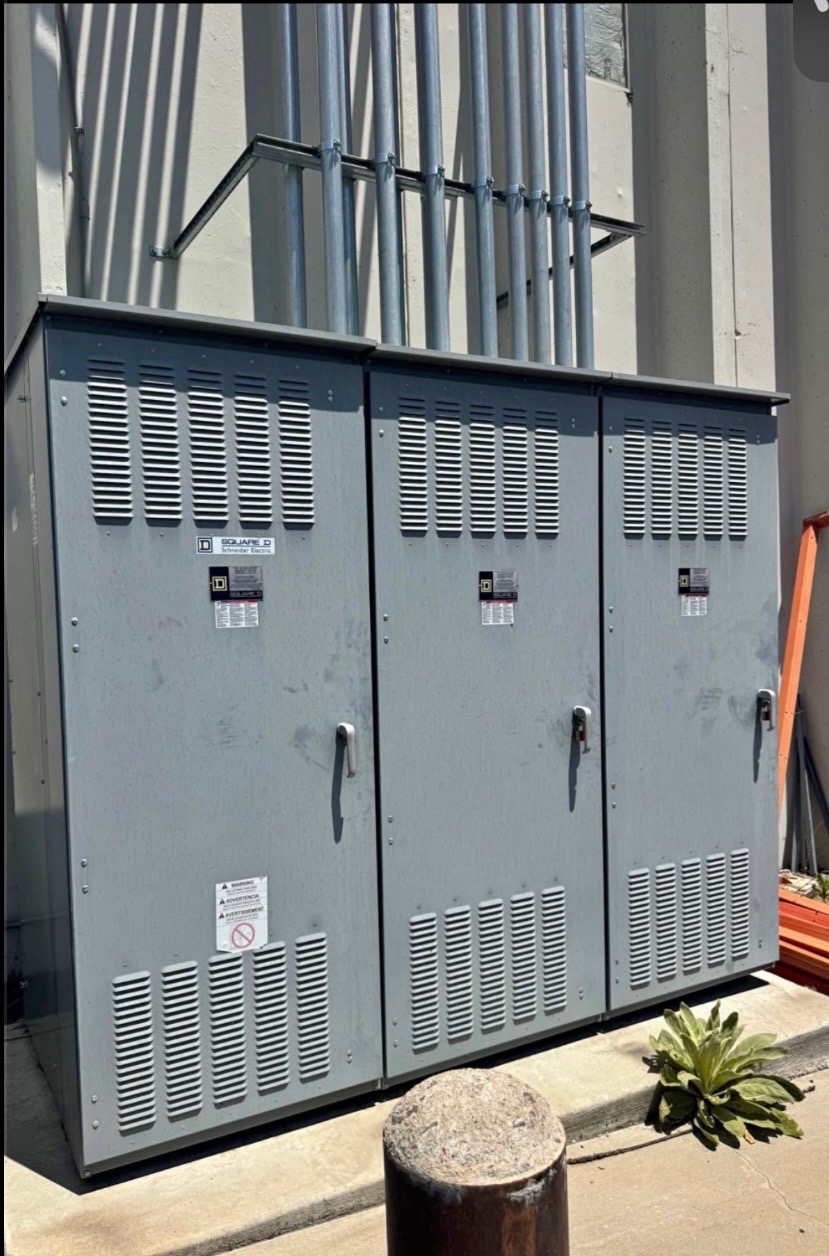
Ask whether exterior nameplate photographs are permitted, and obtain approval for the specific equipment and angles before taking them. Images should be made only from authorized, safe positions where the equipment is safely accessible; never approach, open, touch, operate, or handle electrical equipment to get a picture. If a nameplate cannot be photographed safely, ask the site contact whether an authorized person can provide its visible information. Exclude access badges, control panels, security devices, floor plans, screens, and identifying background details unless expressly approved. A clear exterior nameplate image can help identify an assembly or breaker; it does not establish every rating or condition.
Share enough inventory detail, not a site map
Prepare a concise inventory record that separates what is known from what still needs confirmation. Useful details may include the equipment type, manufacturer and catalog information visible in approved records, approximate quantity, and whether the item is an assembly or a standalone breaker. Keep sensitive building names, room numbers, access codes, network diagrams, and security procedures out of general correspondence. If the seller’s authority is not evident from the inventory paperwork, identify who can confirm ownership or authority to sell. Do not guess at a frame, trip, bus, nominal voltage, or rating based on appearance; distinctions among them matter, and one label may not describe the complete assembly.
Compare the offer with the removal plan
A buyer may make a cash offer and pay upfront, but acceptance and terms depend on an individual assessment of the equipment and access conditions. Ask what equipment the offer covers and how pickup responsibilities are allocated before approving a sale. This buyer purchases used, surplus, and decommissioned electrical equipment, including equipment from decommissioned data centers and shut-down power plants, across all voltage classes; that does not mean every asset will be accepted. No seller testing is required. The buyer-paid freight plan may include crane service, rigging, disconnects, loading, and hauling, subject to the site’s approvals and a workable removal plan. Clarify who coordinates site authorization and qualified electrical work.
Resolve visitor and documentation limits before scheduling
When visitor rules prevent an early site visit, ask whether approved records and safely accessible exterior nameplate images can support an initial review, with any further inspection subject to separate permission. Confirm visitor names, identification requirements, escort availability, prohibited items, and photography restrictions through the site contact rather than inferring them. Keep the buyer’s planning notes limited to information needed to assess the equipment and pickup: access window, approved route at a suitable level of detail, loading constraints, and required site approvals. Avoid sending precise security-sensitive routes or procedures unless an authorized contact approves that disclosure. A visit window is a coordination detail, not a promised removal date.
Keep removal conditional on authorization and safety
Before treating a proposed pickup as ready, confirm that the seller has authority to sell and that the site has approved the visitor and removal arrangements. Identify who, under site rules, can authorize disconnects and other electrical tasks, and leave that work to qualified authorized personnel. The seller need not test, prepare, disconnect, or handle the equipment; do not invite staff to make it ready for photographs or pickup. If a crane, rigging, loading, or hauling method conflicts with access limits, pause and ask the site contact and buyer to resolve the plan before proceeding. Equipment, offers, and logistics are assessed individually; neither acceptance nor timing is guaranteed.