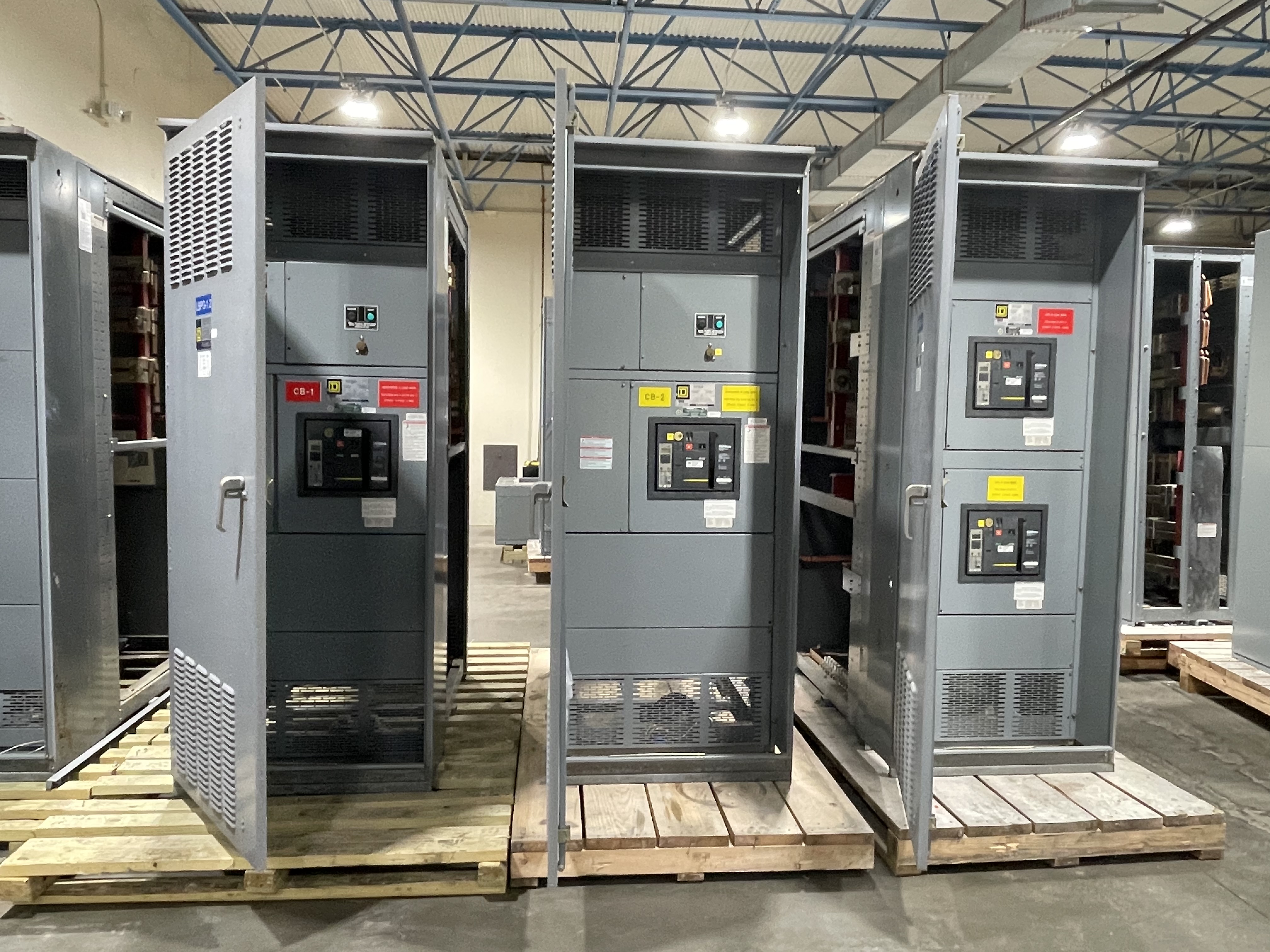
Keep the operating assembly distinct from stored spares
If a site retains its main distribution assembly, make clear which equipment is being considered and which remains in service. Stored spares may be separate devices, sections or components, but their presence alone does not establish completeness, condition or marketability. A buyer assesses each offered item individually and may decline an asset. Do not alter the operating lineup or reposition spare equipment to improve a request. A clear written distinction reduces the risk of confusion during review and helps keep any eventual handover within the seller’s intended scope.
Records can clarify what the equipment is
Useful existing material may include purchase or inventory records, drawings, prior maintenance documents, and exterior nameplate information. Share only records already available; sellers need not test, measure, stage, or fabricate anything for an assessment. If taking photos is permitted, limit them to safely accessible exterior surfaces and exterior labels or nameplates, from positions authorized by the site. Never open a cabinet, photograph its interior, or approach equipment that may be energized. Records may be incomplete, so an offer remains subject to what can be responsibly established without seller testing.
Separate the ratings before discussing value
Switchgear descriptions can mix several different ratings. Existing documentation may state nominal system voltage and assembly voltage separately, as well as continuous-current rating, device frame, trip setting or rating, and interrupting rating. These are not interchangeable, and one value cannot establish compatibility with another system. Share each figure only when supported by a record or an exterior label that can be read safely. If a value is absent or unclear, identify it as unknown rather than estimating it. A buyer’s review does not certify the equipment for reuse or a particular application.
Set a realistic scope for a Hart County sale
Potential offerings might be stored breakers, switchgear sections, or other surplus electrical equipment, depending on what the owner actually controls and what a buyer can assess. The buyer considers equipment across all voltage classes and also evaluates material from decommissioned data centers and shut-down power plants; that does not imply acceptance of every item. Confirm ownership authority and identify exclusions, especially the main assembly or any spares reserved for operations. A sale is an individually assessed decision, not a guaranteed purchase, price, or schedule. No unrelated demolition or hazardous-material cleanup is included by implication.
Cash terms follow an agreed purchase
For equipment the buyer agrees to purchase, the buyer makes a cash offer and pays upfront under the agreed terms. Each offer and acceptance is assessed on its own; neither a particular amount nor payment or pickup timing is guaranteed before agreement. Clarify the included items, exclusions, payment arrangement, access conditions and removal scope in writing before scheduling work. The seller is not expected to test equipment or pay for preparation to request consideration. If records or access conditions change, the buyer may need to revisit the assessment before the parties finalize the transaction.
Plan removal without assigning a crew to the seller
Once a purchase and access plan are agreed, the buyer covers necessary crane, rigging, electrical disconnects, loading, freight and hauling for that transaction. The seller does not have to hire or pay a removal crew. Site coordination still matters: agree on access windows, building restrictions, loading arrangements and any required escorts or permits in advance. All electrical work must be handled by qualified, authorized personnel working under the site’s rules. No one should approach, touch, open, operate, test, disconnect, lift, remove or move equipment that is energized or may be energized.
Make the handover safe and limited
Before the agreed pickup, establish who controls access and who has authority to confirm the work area is suitable for the planned activity. Do not ask staff to expose internal parts or move equipment for a buyer’s review. If safe exterior photos are unavailable, existing records can still support an initial discussion. A buyer’s removal responsibility applies only to the agreed purchase and necessary logistics; it is not a commitment to demolish other property or remediate hazardous materials. Keep excluded or retained equipment outside the agreed scope, and pause coordination if site conditions differ from the approved plan.