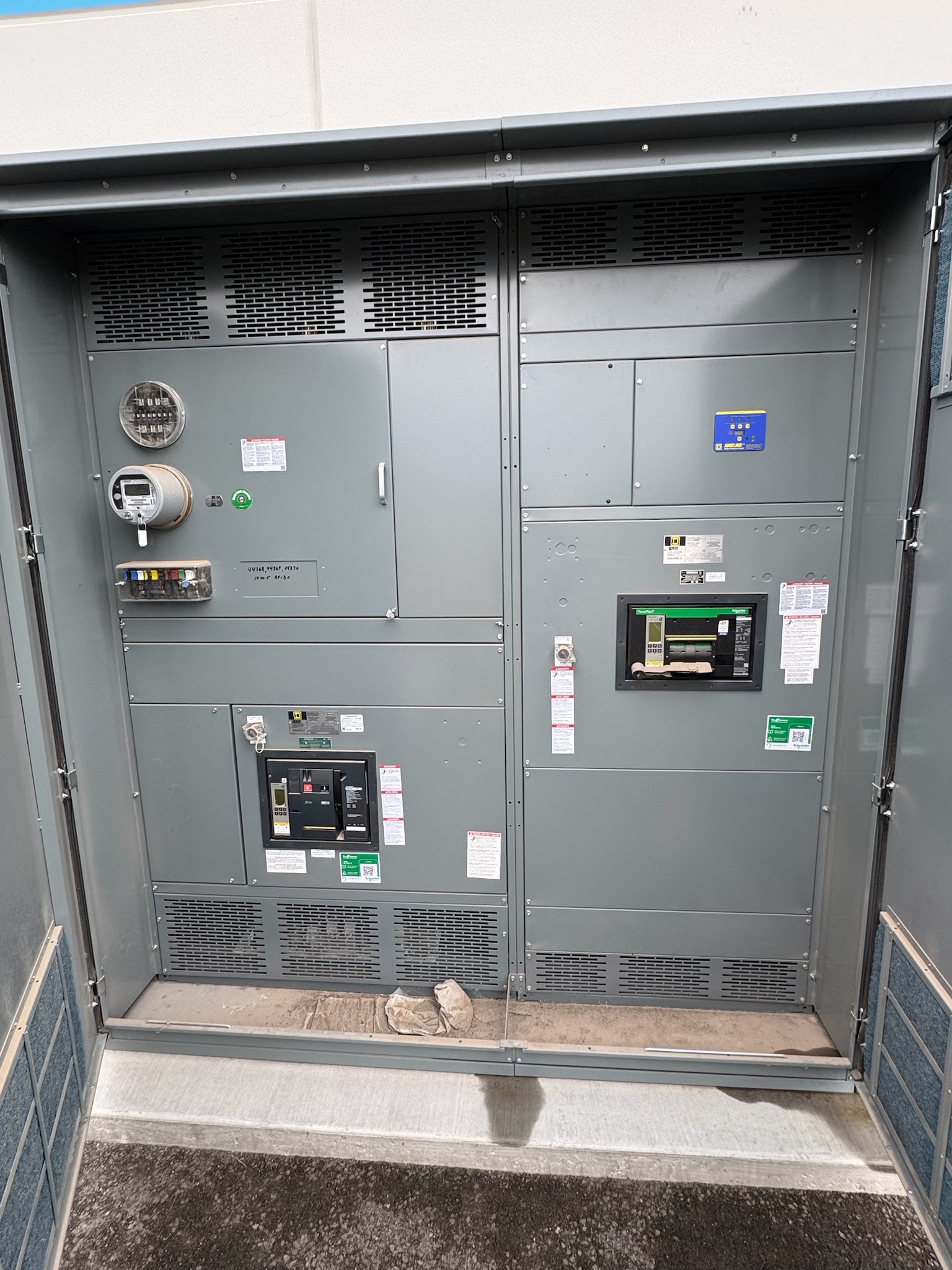
Separate staged inventory from connected distribution
If a warehouse retrofit is phased, some bus duct fittings may be staged for reuse or surplus while adjacent distribution remains energized. Treating the entire run as available can misstate both ownership and scope. First establish, through site records and authorized personnel, which materials are already detached and which remain installed or connected; do not approach or handle energized equipment to check. Keep staged items in a clearly identified inventory group and record the source area only if that information is known and safe to share. If ownership or disposition authority differs across phases, resolve that before requesting an offer. Clear boundaries help avoid confusing fittings with a complete bus duct system.
Count lengths without overstating completeness
Length counts are useful, but they do not establish that a run is complete or mutually compatible. Record quantities by visible type and stated length, using existing labels, packing lists, or other records where available. Distinguish a straight section from an elbow, end piece, tap-off fitting, or other accessory only when the identification is supported by documentation or a safely accessible exterior marking. Note whether the count is verified, estimated from records, or still uncertain. Do not infer missing lengths or continuity from a floor plan alone. A buyer can assess an incomplete lot, but accurate uncertainty lets the offer reflect the actual inventory rather than an assumed turnkey run.
Keep loose accessory groups traceable
Loose hardware can be valuable to an assessment when its relationship to the staged fittings is preserved. If accessories are already safely accessible, group them by existing container, label, or documented source rather than combining unlike items into one untracked bin. Record a short description and count for each group, and note “unidentified” when the part cannot be confirmed. Avoid guessing that a connector, hanger, joint pack, or cover belongs to a particular section merely because it was nearby. Photographs should show only safely accessible exterior nameplates or equipment from authorized safe positions; never approach, open, touch, or move equipment to obtain an image. Traceable groups reduce avoidable ambiguity without claiming system completeness.
Describe ratings as evidence, not assumptions
When records or safely accessible exterior nameplates provide electrical information, transcribe what is actually stated and identify its source. Do not assign a bus duct rating based on a nearby switchgear label, a breaker rating, or a warehouse drawing that may describe another assembly. Assembly, breaker, bus, frame, and trip ratings are distinct; nominal voltage is not a substitute for current rating, and a trip setting is not necessarily the breaker’s frame rating. If a marking is unreadable or absent, say so rather than filling the gap from a similar-looking item. The buyer considers used, surplus, and decommissioned equipment across all voltage classes, with each asset assessed individually rather than presumed acceptable.
Plan the handoff around site controls
If the staged materials are approved for sale, establish access, boundaries, timing, and loading responsibilities with the site’s authorized contacts before any collection is arranged. Electrical disconnects and all other electrical work must be performed by qualified, authorized personnel under site rules; the seller is not asked to test equipment or prepare it electrically. The buyer covers crane, rigging, disconnects, loading, freight, and hauling as applicable to an individually assessed transaction, rather than requiring the seller to hire a crew. Confirm whether the inventory is already safely separated and accessible, and flag access constraints early. No one should approach or handle energized equipment for inventory, photographs, or collection planning.
Request an offer with a usable inventory record
A concise request can include the seller’s authority to sell, staged quantities, length-count basis, accessory-group notes, available records, and any known gaps or site restrictions. State clearly which items are excluded because they remain in service or have unresolved ownership. The buyer purchases used, surplus, and decommissioned electrical equipment, including assets from decommissioned data centers and shut-down power plants; a warehouse lot is still reviewed on its own facts. Offers are assessed individually, not guaranteed by a count or description. For accepted assets, the buyer offers cash and pays upfront, with no seller testing required. Provide only information you can share safely and accurately, and wait for scope and logistics to be reviewed before treating the lot as committed.