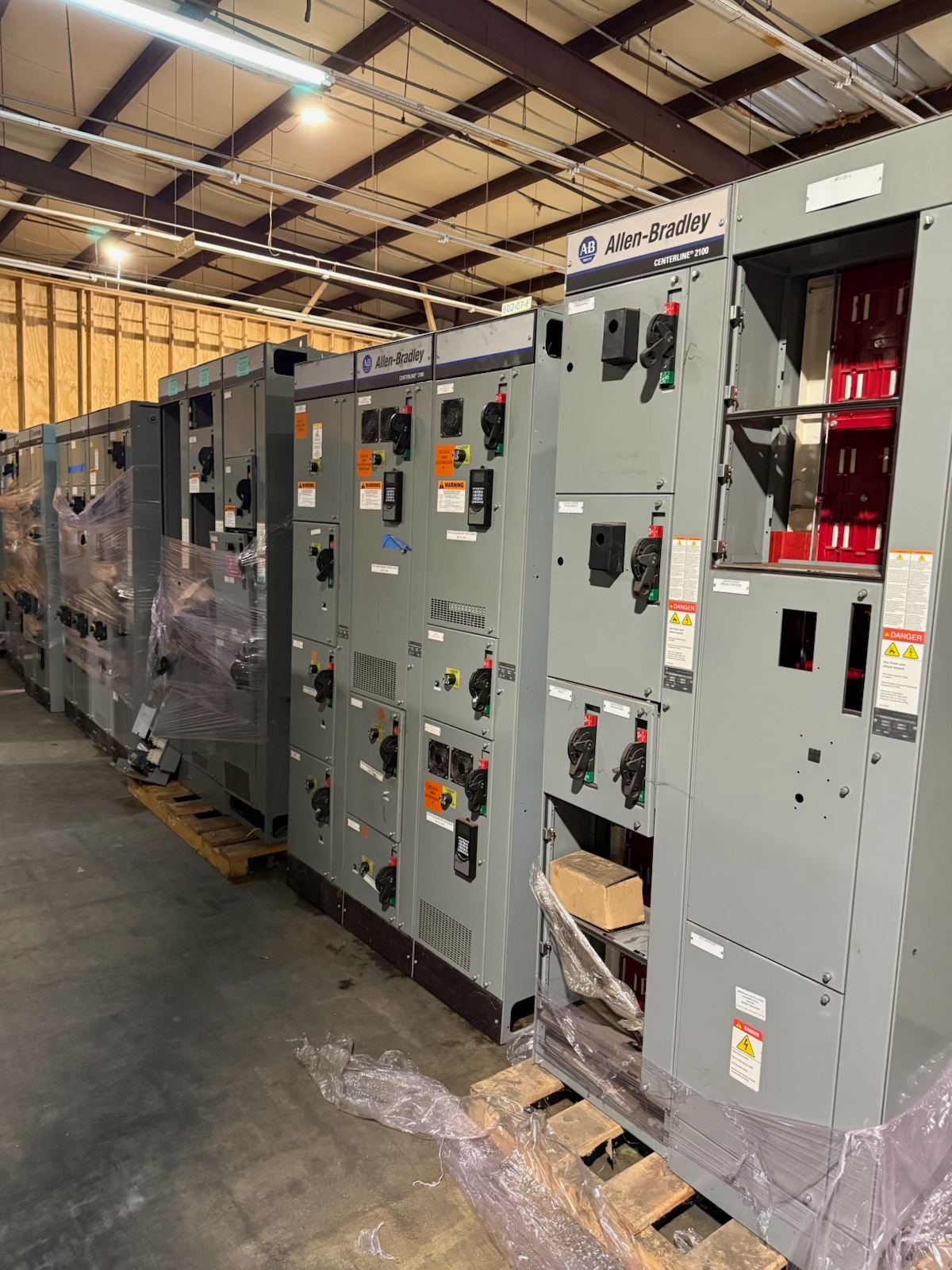
Build the inventory around buildings and release phases
Start with a separate inventory for each building, then divide it by the phase in which equipment could be released. A lineup scheduled for a later shutdown should not be presented as available with an earlier group. Record a site identifier, room or area reference, equipment description, and anticipated release window; use the same identifier on photographs and review documents. If the schedule changes, update the list rather than silently moving an item between phases. This structure gives a buyer a clearer basis to assess each group and lets the site team distinguish equipment under consideration from assets still needed for service. It also makes exceptions visible before pickup planning begins.
Reconcile shared lineups before assigning ownership
Campus records may describe a continuous lineup by room, feeder, or building boundary, while one physical assembly crosses those labels. Compare inventory entries against available drawings and existing asset records, and flag any lineup whose ownership or sale boundary is unclear. Do not count a shared assembly once under each adjoining building: assign a single reference and note the included sections, exclusions, and responsible asset owner. If only part of an assembly is proposed, identify that as a review question rather than assuming it can be separated. Photographs should show only safely accessible exterior nameplates or equipment from authorized safe positions; never approach or handle equipment to obtain them.
Choose release groups with timing and value in mind
Combining buildings into one release may simplify coordination, but it can make an early handoff depend on a later shutdown. Separate phases when access dates, ownership approvals, or operating needs differ; combine them only when the seller can confirm a common release basis. For example, a seller might list one building’s retired distribution equipment in an initial phase and reserve another building’s equipment for a later review. That distinction is useful even before dates are firm. A buyer assesses assets and any offer individually, so a grouped list is a planning tool, not a commitment that every item will be accepted or that a particular price or schedule will result.
Coordinate gate, escort, and loading permissions
Before discussing collection, establish who can authorize entry and what permissions apply to each building, gate, and loading area. Ask whether an escort is required, which vehicle access point is approved, and whether loading can occur during the proposed release window. Do not assume one building’s approval covers a separate parcel entrance or shared service road. Record the site contact and the person authorized to approve loading, plus any access restrictions the site provides. If a gate or loading zone is unavailable in one phase, keep that phase distinct rather than planning around unconfirmed access. The buyer can assess buyer-paid freight and hauling arrangements once the assets and authorized access conditions are understood.
Define scope without assigning electrical work to the seller
Clarify what equipment is included and who has authority to sell it, but keep electrical tasks separate from commercial coordination. Disconnects, any required crane or rigging work, and loading must be handled by qualified authorized personnel under site rules; the seller should not be asked to perform electrical work for the sale. Never operate, open, touch, test, disconnect, remove, rack out, move, or handle energized equipment. The buyer requires no seller testing or preparation, and considers equipment from all voltage classes, with each asset evaluated on its own information and condition. Ask the site’s authorized personnel to establish safe access and release conditions rather than treating a sale list as work authorization.
Keep the offer and handoff tied to the agreed list
Once inventory references, release phases, and permissions are aligned, share the current list and identify changes explicitly. This reduces disputes over whether a breaker, section, or complete assembly was included, and helps prevent a later phase from being mistaken for an approved pickup. If an offer is made, confirm its scope against the listed assets and ownership authority; assets are assessed individually, so acceptance and terms are not automatic. The buyer offers cash and pays upfront, with freight, crane, rigging, disconnects, loading, and hauling covered by the buyer as applicable to the agreed arrangement. Keep site access and electrical work under authorized control through handoff, and do not infer that payment authorizes unsafe handling.