Make the asset list useful, not artificially neat
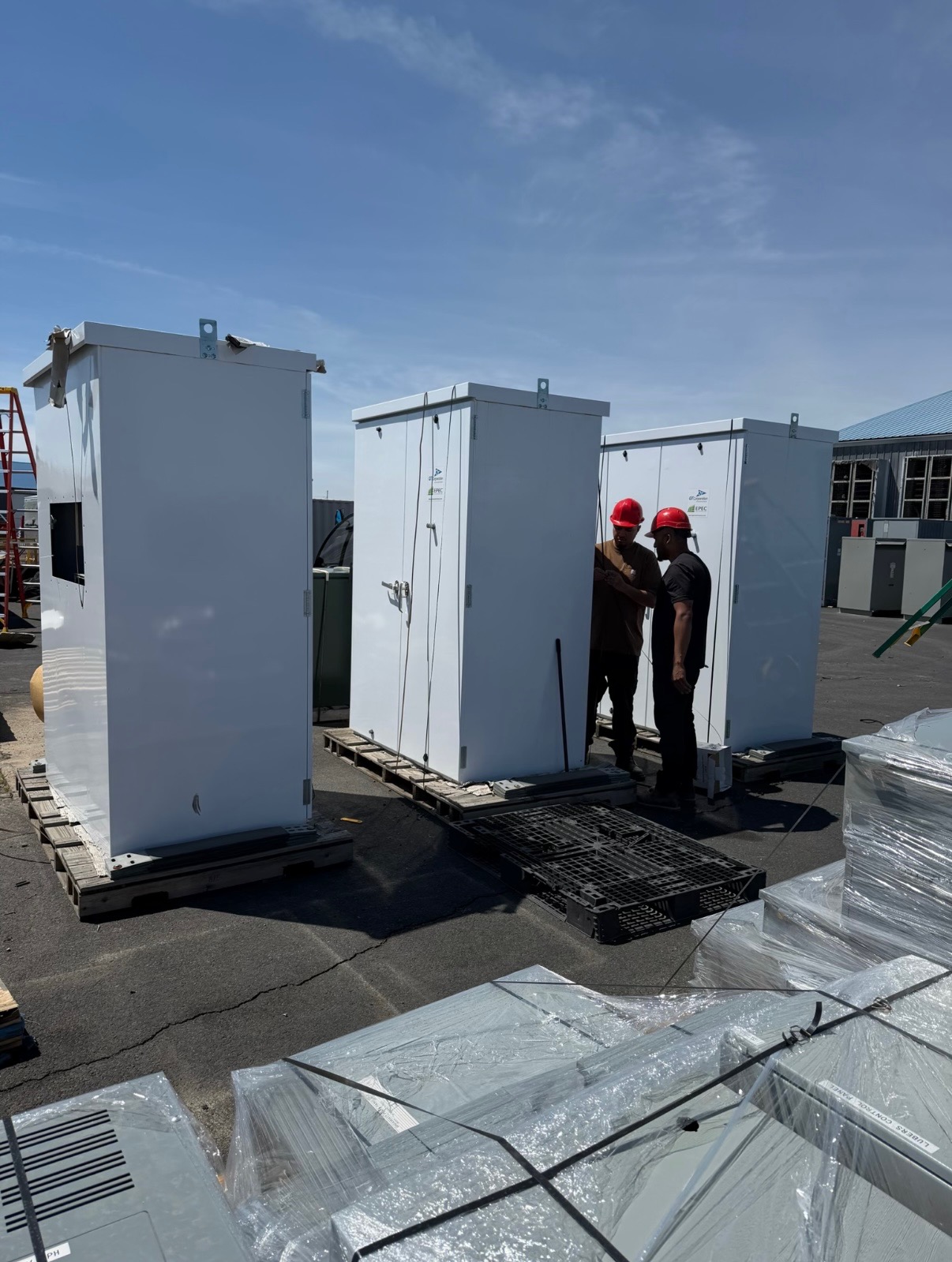
List each switchboard separately, using the clearest available identifier: an exterior nameplate, an existing inventory record, a drawing reference or a site asset tag. If tags conflict, preserve the different values and note which source supplied each one rather than choosing a “correct” tag by guesswork. A short note such as “tag differs from maintenance record; identity unconfirmed” helps an independent buyer distinguish a known discrepancy from a confirmed match. Do not create replacement labels or alter equipment to make the inventory appear consistent; assessment can begin with the records as they stand.
Separate verified facts from open questions
Share existing photographs, schedules, purchase or maintenance records, and available drawings only if they are already accessible and authorized for release. Mark information as confirmed, reported but unverified, or unavailable. If records list ratings, keep each field distinct: nominal system voltage, assembly voltage, continuous current, device frame, trip rating and interrupting rating are not interchangeable. Include a value only when an existing record supports it, and identify the record rather than filling gaps from appearance or a neighboring board. Missing details may affect an offer or the scope of review; they are not a reason to invent specifications.
Identify who can release what
Several stored assets may involve different decision-makers. For example, a facilities representative might confirm site access, an asset owner might authorize disposition, and a finance or procurement contact might approve payment terms. These roles should be treated as separate unless the organization confirms that one person holds them all. State who can provide records, who can approve a sale, and whether any other internal or third-party consent is still pending. A buyer can review a possible purchase, but no particular switchboard is accepted until the parties agree on the assets, price, scope and handover conditions.
Set realistic boundaries for the purchase review
An independent buyer may consider used, surplus and decommissioned equipment across all voltage classes, including equipment offered after a data center is decommissioned or a power plant shuts down. That range does not mean every stored assembly will fit a purchase. Explain known exclusions, such as assets subject to a hold, unclear ownership, incomplete documentation or a site restriction, rather than assuming they can be resolved. The buyer makes cash offers and pays upfront for purchases the parties agree to. Each offer and acceptance is individually assessed; neither price nor timing is guaranteed, and a review is not a commitment to buy every listed item.
Keep the review at a safe, authorized distance
Do not approach, touch, open, operate, test, disconnect, remove or move equipment that is energized or could be energized. Any electrical work must be handled only by qualified, authorized personnel working under site rules. Seller testing is not required to request a purchase assessment. If photographs are useful, provide images only of safely accessible equipment exteriors and exterior labels or nameplates, taken from positions the site authorizes as safe. Never open a cabinet, remove a cover or photograph an interior for this purpose. If safe exterior access is uncertain, use existing records instead.
Agree the handover before scheduling removal
Once the parties agree on the switchboard purchase, the buyer pays for applicable crane support, rigging and disconnects, as well as loading, hauling and freight. The seller does not hire or pay a removal crew. Confirm in writing which assets are included, the approved work area, access windows, site contacts and any conditions that must be met before work begins. The buyer and site should coordinate logistics with authorized personnel under applicable site controls; sellers should not prepare, stage or move equipment. Removal scope applies only to the purchased equipment and does not imply demolition, general site clearance or hazardous-material remediation.
Close out the records after agreement
Once the parties approve a purchase, retain the accepted asset list and record how conflicting identifiers were handled—for example, by listing both tag values alongside the agreed description. Keep the approval, payment and handover documents with the organization’s normal asset records, and document any item excluded from the transaction. This creates a clear trail without suggesting that uncertain historical records have been proven. If a discrepancy remains unresolved, preserve it as unresolved and seek the relevant internal confirmation rather than changing a technical or ownership record to match the sale paperwork.