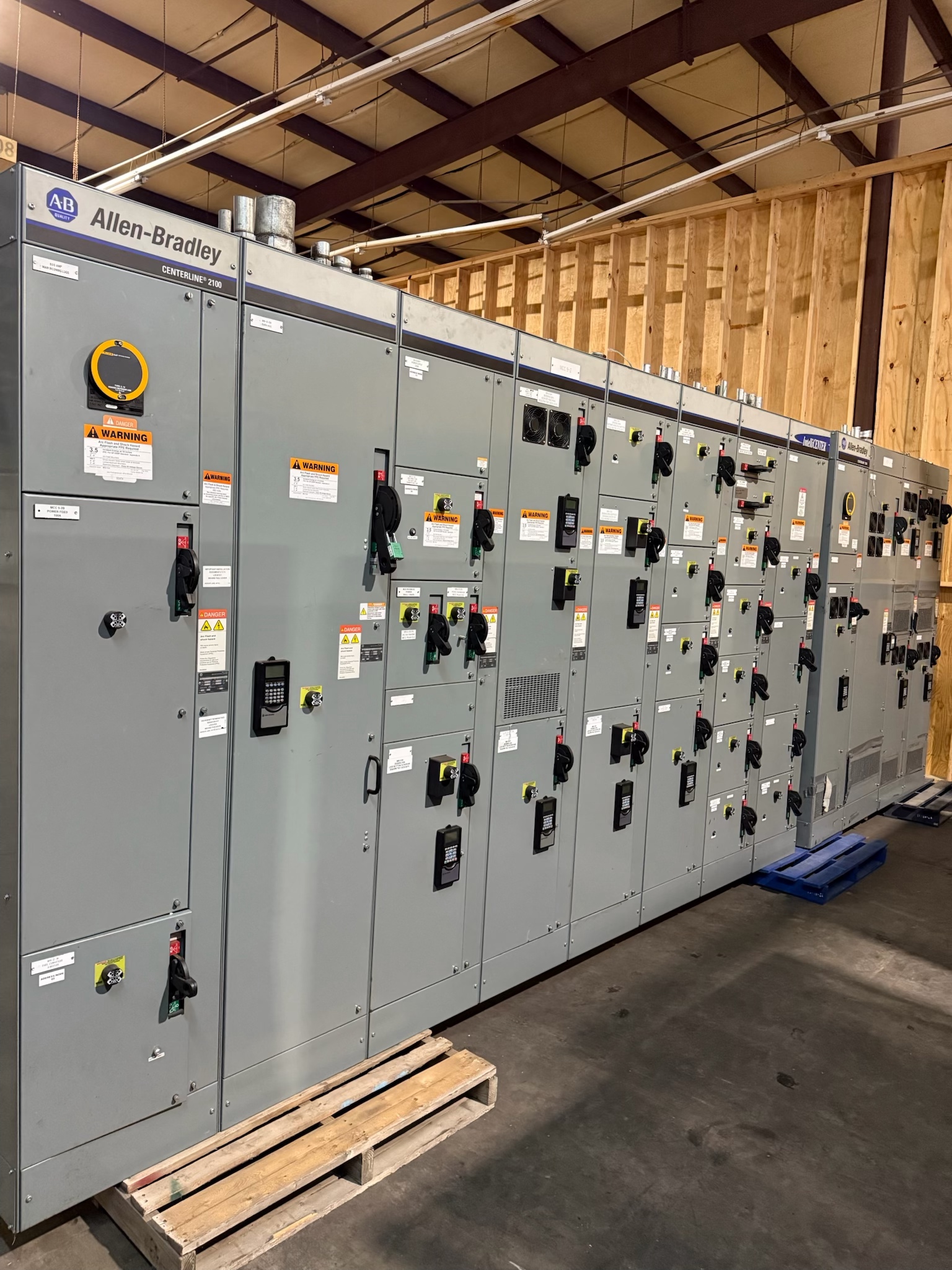
Separate facility distribution from machine controls
Start by identifying what each assembly serves, rather than grouping every electrical cabinet as switchgear. An MCC generally groups motor-control units for facility or process loads; switchgear is a separate assembly intended for distribution, protection, or isolation according to its design. A machine may also have an OEM control cabinet, local operator panel, or drive enclosure that belongs with that machine. If the production line is being sold or retained, those controls may not be surplus. Record equipment tags, served areas, and apparent boundaries using existing records and safe exterior views. Do not infer ownership from a cabinet’s location or appearance; confirm it with the asset owner and project lead.
Confirm authority before presenting equipment
Shutdown schedules can involve a property owner, operating company, lender, machine buyer, and facility contractor. Before requesting an offer, establish who owns each assembly and who has authority to sell it. A contractor’s removal role does not automatically grant authority to sell, and an owner’s sale authorization does not authorize electrical work. If MCC sections serve equipment being transferred, document which sections, feeders, or control components are excluded. A simple inventory can list the asset tag, general description, quantity, and whether it is included, excluded, or unresolved. Resolve disputed boundaries before removal planning; an unclear sale scope can delay coordination or risk separating controls needed by retained equipment.
Coordinate the removal boundary with the contractor
Ask the existing facility contractor to define the work boundary and sequence for any accepted equipment. The contractor can identify required isolation, verification, disconnection, and site-specific access controls; qualified, authorized electrical personnel must perform electrical work under site rules. The buyer can coordinate crane, rigging, loading, freight, and hauling, but that does not replace the contractor’s electrical responsibilities. Clarify which party controls permits, escorts, lift plans, and access windows, and whether removal affects adjacent operating or retained equipment. If a cabinet shares a lineup or structural support with equipment staying behind, treat the boundary as a question to resolve before committing to a lift or removal plan.
Make an inventory that supports a fair assessment
For a useful review, document manufacturer and visible nameplate information only where safely accessible from an authorized position. Do not open doors, approach energized equipment, or move anything to obtain a photograph. Note assembly type, visible section count, breaker information if legible, and stated voltage and ratings without treating these as interchangeable. An assembly rating, breaker rating, frame size, trip setting, and nominal system voltage describe different things; a partial or uncertain record should be marked as such. No seller testing or equipment preparation is required. Buyers consider used, surplus, and decommissioned equipment across all voltage classes, including equipment from shutdowns, but assess each asset and offer individually.
Balance removal costs against sale scope
A larger lineup may appear more valuable than a small control cabinet, yet condition, completeness, documentation, access, and removal complexity all affect an individual assessment. For example, a seller may compare offering an intact facility MCC lineup with excluding machine-owned buckets or controls needed by a retained line. Neither choice guarantees acceptance or a particular price; clearly stating inclusions lets the buyer assess the actual scope. If an offer is made, the buyer offers cash and pays upfront, with buyer-paid freight and coverage for crane, rigging, disconnects, loading, and hauling as coordinated for the transaction. Confirm the agreed scope and responsibilities in writing rather than relying on assumptions about who pays or performs each task.
Plan safe documentation and a clean handoff
Keep records practical: an asset list, ownership approval, contractor contact, known access restrictions, and safely obtained exterior nameplate photographs can help clarify an inquiry. Take photographs only from an authorized safe position and only when the exterior is safely accessible; never operate, open, touch, approach, test, disconnect, remove, or handle energized equipment, including to get an image. Do not ask facility staff to prepare equipment for sale or conduct tests. Before a handoff, confirm which assets are included, which remain, the contractor’s electrical-work boundary, and the planned logistics. These decisions are especially important during a shutdown, when machine controls and facility distribution equipment may otherwise be mistaken for one another.