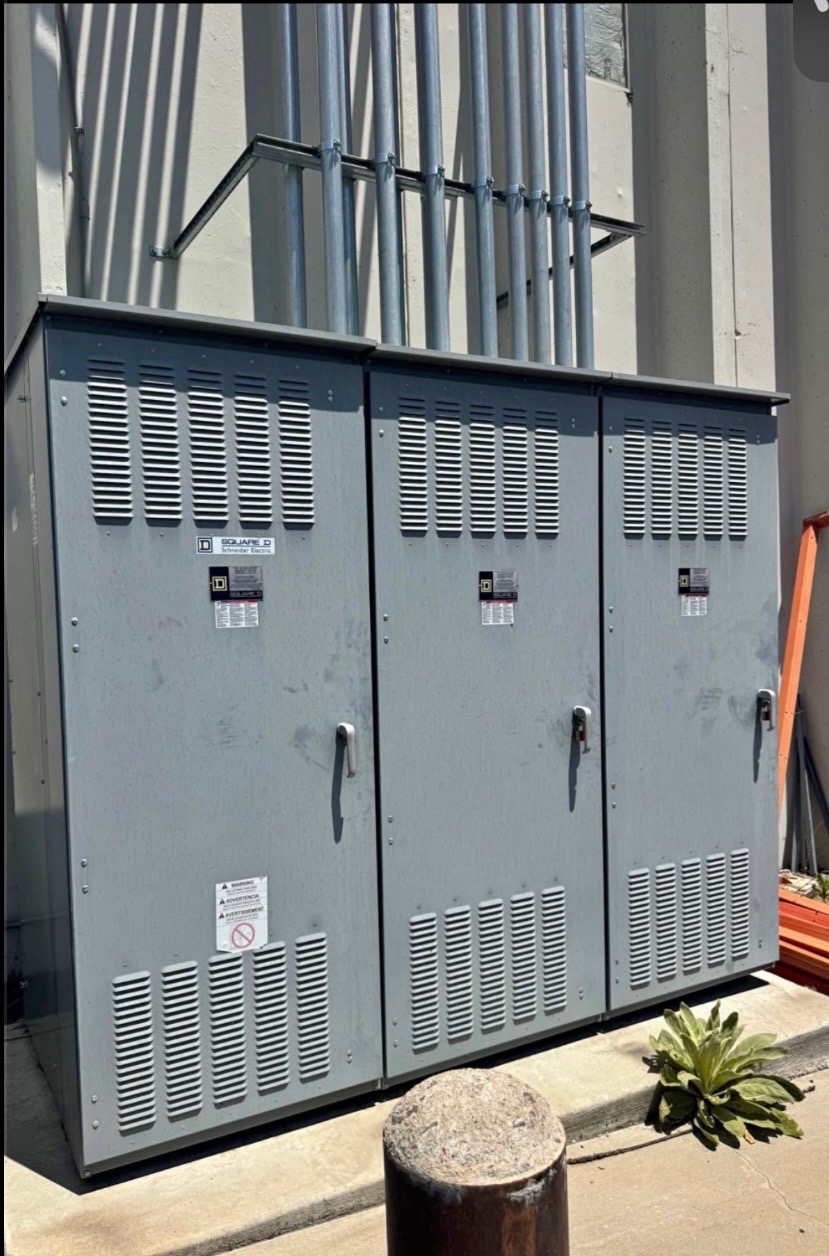
Document the enclosure from a safe position
If the equipment is safely accessible without approaching energized parts, exterior photographs can show the enclosure’s overall condition and safely readable nameplates. Record visible dents, damaged doors, missing covers, failed-looking seals, or standing water only when observable from an authorized safe position. Do not open doors, touch the cabinet, or move closer for a better image; no photograph justifies added exposure. Note the date and viewing conditions, since rain, shade, and dirt can affect what a picture shows. A clear exterior record helps distinguish an obvious enclosure concern from an unknown internal condition, while leaving technical inspection and electrical work to qualified authorized personnel under site rules.
Separate corrosion from known weather exposure
Corrosion and weather history matter, but they are not interchangeable evidence. A seller might observe surface rust on a cabinet exterior while also knowing that wind-driven rain reached the equipment during a storm; those facts should be reported separately, without concluding that internals are damaged or unaffected. Note where corrosion is visible, whether it appears limited to the outer enclosure, and what weather exposure is known rather than inferred. If the history is uncertain, say so. This distinction helps an individual assessment weigh visible condition against documented exposure. It also avoids treating an outdoor-rated appearance, or a relatively clean exterior, as proof of present electrical condition or serviceability.
Describe access without entering a hazard zone
A feasible lift depends on more than the equipment’s visible footprint. From an authorized safe position, document the route a removal crew may need to use: gates, turns, overhead obstructions, pavement changes, and any restricted work hours or access permissions. Do not walk toward or around energized gear to inspect the route; site personnel can identify access limits and provide safe, authorized information. If a crane may be needed, available setup space and the route from equipment to loading area can affect planning. A narrow gate, for example, may change the approach compared with a clear paved lane. These are planning details, not a reason for the seller to move equipment or hire a crew.
Clarify seller-authorized access and ownership
Before arranging a review or pickup, establish who owns the switchgear and who can authorize access, removal, and release of the asset. At a shared or controlled site, a seller may have authority to sell equipment but still need separate approval for a gate, work window, or crane setup. Identify the contact responsible for those permissions and any site rules that govern contractor access. Electrical disconnects and other technical work must be performed by qualified authorized personnel under those rules. The buyer can assess an asset and coordinate removal details, but cannot assume that a seller’s ownership authority automatically grants unrestricted entry or permission to perform electrical work.
Match the records to the equipment being assessed
Safely readable nameplate details can help identify the assembly, but record what is actually visible rather than filling gaps from memory. Switchgear, a breaker, its frame, and its trip unit are distinct items; a breaker rating should not be presented as the assembly’s rating. Note nominal voltage and ratings only when legible, and identify uncertain or obscured information as unknown. A missing plate does not by itself resolve whether the whole asset can be considered, and a readable rating does not establish compatibility or operating condition. No seller testing is required. The buyer considers used, surplus, and decommissioned equipment across all voltage classes, including equipment from decommissioned data centers and shut-down power plants, with each asset assessed individually.
Compare removal scope with the offer
For an outdoor unit, removal responsibility can be as important as the visible condition. Ask how the proposed scope addresses crane, rigging, disconnects, loading, freight, and hauling, and confirm access assumptions before deciding. The buyer covers those removal and transport costs; the seller does not need to test or prepare the equipment. If the asset is accepted, the buyer makes a cash offer and pays upfront, with terms and outcome determined through individual assessment rather than a guaranteed result. The route, permissions, and equipment details help shape that review, but do not promise acceptance, a price, or a pickup date. Electrical disconnection and all other technical electrical work remain with qualified authorized personnel.