Separate clues from confirmed identification
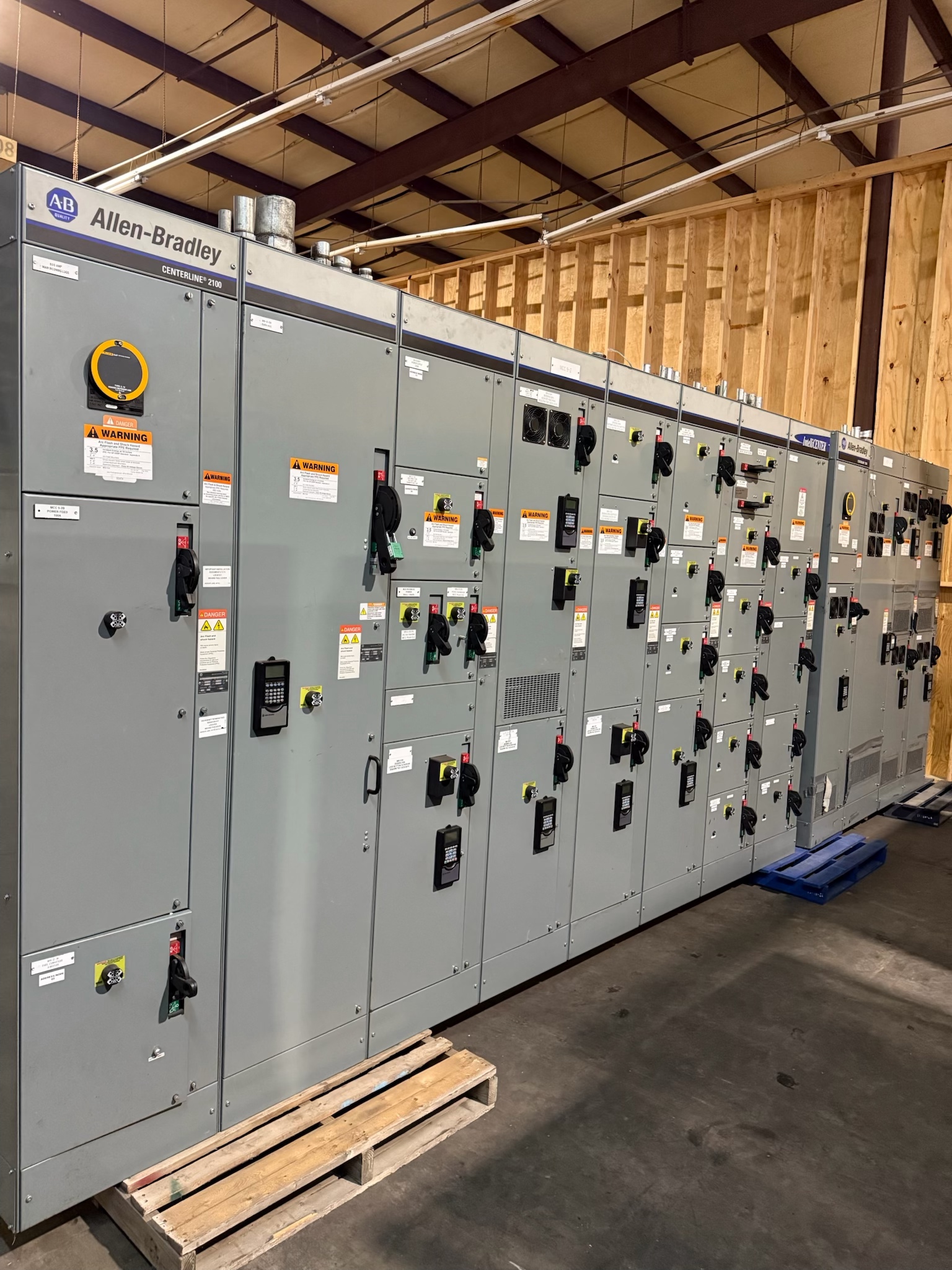
A catalog number copied from an old inventory list is a useful lead, not proof that the listed assembly matches the gear on site. A photograph might show a manufacturer name and part of a label while omitting suffixes that distinguish an assembly or breaker configuration. Record exactly what is legible and mark missing characters as unknown; do not complete them from memory or an online resemblance. Keep assembly identification separate from breaker identification, and distinguish a frame designation from a trip rating. Those details can affect review, but one does not establish the others.
Use safe exterior evidence, not improvised inspection
Photographs can support an initial assessment when taken only of safely accessible exterior nameplates and equipment, from authorized safe positions. Do not approach, open, touch, operate, test, disconnect, rack out, move, or handle energized equipment to improve a picture; electrical work belongs to qualified authorized personnel following site rules. If a label is obscured or inaccessible, report that limitation rather than trying to expose it. A clear image of a safely accessible label may help confirm visible text, while an exterior overview can show general arrangement without proving internal contents or condition.
Document provenance with appropriate limits
Known provenance can help explain why partial data is credible: for example, an owner might have a prior asset schedule, a decommissioning record, or documentation linking a lineup to a particular building area. Note who supplied each record, its date if known, and whether it describes the present equipment or an earlier configuration. Provenance is supporting context, not a substitute for a readable identification plate or confirmation of present contents. If documents conflict, preserve both versions and identify the discrepancy. Do not present an inherited schedule as a verified match unless an authorized person has established that connection.
Keep voltage and ratings unresolved when necessary
Voltage should be recorded only when supported by reliable documentation or legible identification; appearance, location in a lineup, and a partially matching catalog entry are not enough. An unknown nominal voltage is different from a known interrupting rating, and neither should be inferred from a breaker frame or trip value. If a record gives a voltage but the visible equipment label does not, describe the source and uncertainty plainly. A buyer can review equipment across all voltage classes, but that does not make unidentified ratings interchangeable or guarantee acceptance. Individual assets and offers are assessed on their own information.
Choose what to submit before seeking an offer
For an initial review, assemble the readable label text, safely obtained exterior photos, available catalog excerpts, and a concise provenance note. Add the equipment’s general description, approximate quantity, and pickup location in Houston County, Georgia; distinguish what is observed from what is reported by someone else. If an identifier is incomplete, show the characters that are visible and state which are missing. This creates a useful decision record without commissioning seller testing or asking staff to access restricted areas. The buyer may request clarification, but the available evidence may still be insufficient to assess a particular asset.
Compare transaction scope, not just the headline amount
If an offer is made, compare its stated scope with the work and logistics involved, rather than treating uncertain identification as a reason to assume a particular value. This buyer offers cash and pays upfront, with terms and acceptance considered individually; there is no promise of an offer or outcome. No seller testing or preparation is required. For accepted equipment, the buyer covers freight and hauling, and can cover crane, rigging, disconnects, and loading as applicable. Confirm the proposed scope and site coordination before proceeding. No seller should undertake electrical work to make equipment easier to evaluate or remove.
Set a safe, authorized path to a decision
Before any transaction, confirm that the seller owns the equipment or has authority to sell it, and identify who can approve access and coordinate site requirements. Any electrical disconnect or related technical work must be performed by qualified, authorized personnel under the facility’s rules; the seller need not perform it or hire a crew. If labels remain incomplete, ask whether the existing records and safe exterior evidence support review, or whether the asset should remain unidentified. A careful description protects both parties from treating a plausible match as a confirmed model, voltage, or rating.