Define the purchase boundary before demolition planning
If a shutdown or demolition plan includes switchgear, identify the specific lineup or components being offered separately from the building and other work. A one-line description such as “electrical room contents” may leave uncertainty about whether the sale includes breakers, control cabinets, conduit, supports, or nearby scrap. Instead, use an asset list with lineup identifiers and general component descriptions, then mark the intended boundary on an existing plan if one is available. Keep structural steel, wall sections, and unrelated equipment outside that boundary unless separately reviewed. This distinction helps avoid a dispute over ownership and limits the chance that a demolition crew treats potentially saleable gear as debris before an individual assessment is complete.
Separate electrical equipment from debris and hazardous-material scope
Demolition debris and switchgear are different work streams, even when they occupy the same room. For example, a contractor may be assigned to remove concrete, cable, or abandoned process equipment while the seller is considering a lineup for sale. Do not let a resale discussion redefine the contractor’s scope or assume the buyer will perform demolition, asbestos abatement, or other hazardous-material remediation. Ask who controls each work area, who identifies regulated materials, and how the parties will keep debris from being mixed with listed equipment. Record exclusions plainly. If contamination or damage is suspected, disclose what is known and leave inspection, handling, and any required remediation to the responsible qualified parties.
Document condition without touching or operating gear
Useful initial information can often be gathered from records and safe exterior views rather than testing. Share available inventories, drawings, maintenance records, and a component count; note missing doors or visible damage only when it can be observed from an authorized safe position. Photographs should show exterior nameplates or the overall lineup only when safely accessible, without approaching, opening, touching, or moving equipment to obtain an image. Never operate, test, disconnect, or handle energized gear for a sale inquiry. Electrical work and any access requiring technical judgment belong to qualified, authorized personnel following site rules. No seller testing or preparation is required for an initial assessment, and no photograph is worth compromising safe access.
Describe ratings precisely, not as a single “switchgear” value
When records are available, distinguish the assembly from its individual breakers and identify the ratings actually shown on documentation or exterior nameplates. A lineup’s nominal voltage is not interchangeable with a breaker’s voltage rating, and a breaker frame rating is not the same as its trip rating or installed trip unit. These distinctions matter when a demolition boundary includes mixed sections, spare breakers, or replacement components of uncertain history. Do not infer compatibility from appearance, matching labels, or a shared voltage class; assessment depends on the particular assets and information available. A buyer considers equipment across all voltage classes, but that does not establish that every configuration will be accepted or that any component suits a particular system.
Coordinate removal responsibilities before setting a sequence
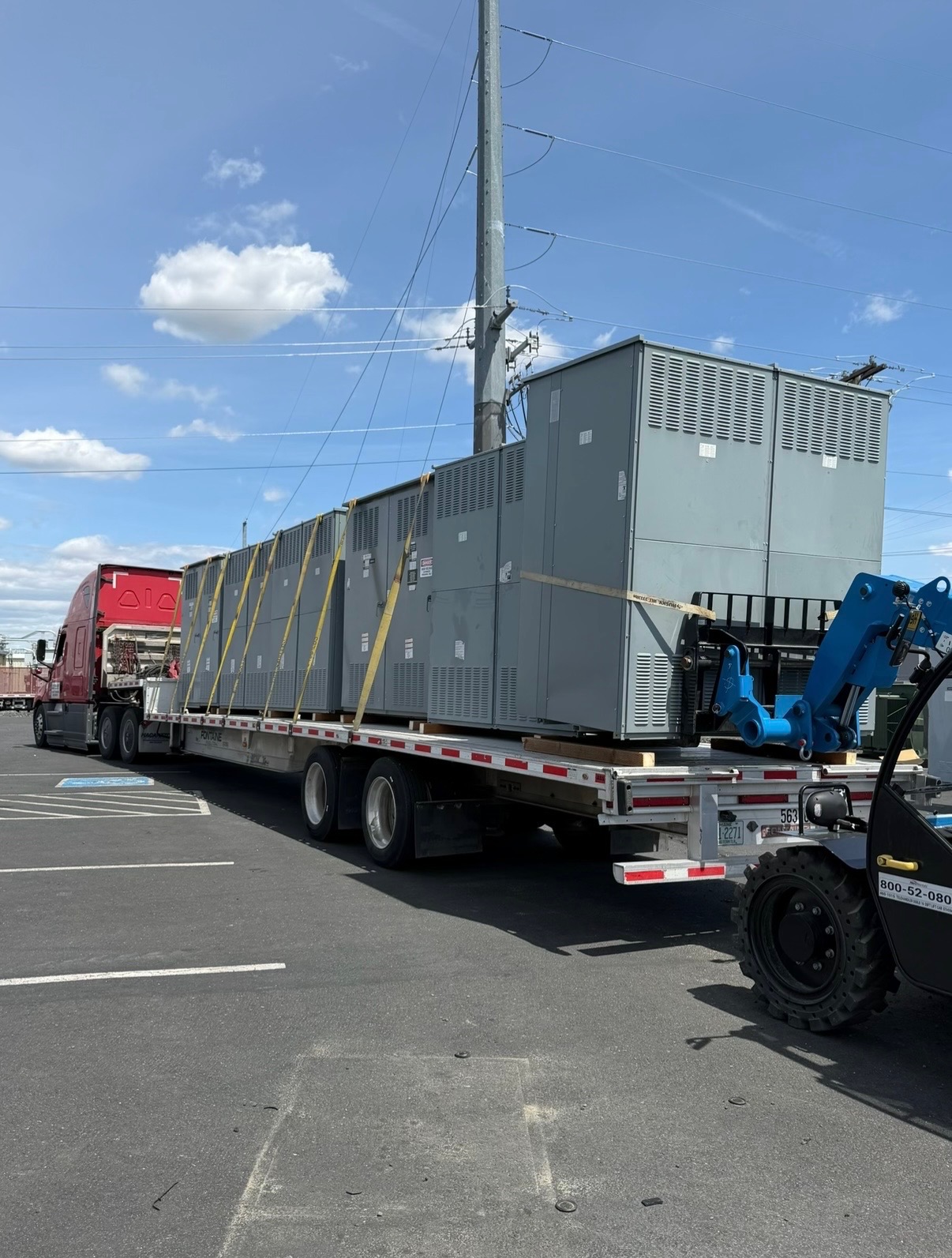
Once equipment is separately identified, compare the proposed removal sequence with demolition milestones, access limits, and the site’s safety plan. A narrow opening, overhead obstruction, or nearby structure could affect how a lineup can be removed, but those conditions must be evaluated by the responsible site professionals—not guessed from a sales description. If assets are accepted, the buyer covers agreed disconnects, crane and rigging, loading, buyer-paid freight, and hauling; coordinate scope and access rather than assuming a demolition crew will take on electrical work. All electrical work must be performed by qualified authorized personnel under site rules. Do not allow dismantling, structural changes, or energized work to proceed on the assumption that a sale has been finalized.
Make commercial terms conditional on individual review
Provide the asset list, safe exterior information, ownership confirmation, and known access constraints for review before treating equipment as sold. The seller must own the gear or have authority to sell it. Offers are assessed individually; condition, completeness, documentation, and removal circumstances may affect whether an asset is accepted and on what terms. For equipment purchased, the buyer offers cash and pays upfront, with any transaction details confirmed directly rather than presumed from a preliminary conversation. Keep demolition, hazardous-material, and structural contracts separate from the equipment transaction, and state who controls the area until removal is authorized. This preserves a clear chain of responsibility if the gear is declined, the schedule changes, or the demolition scope proceeds independently.