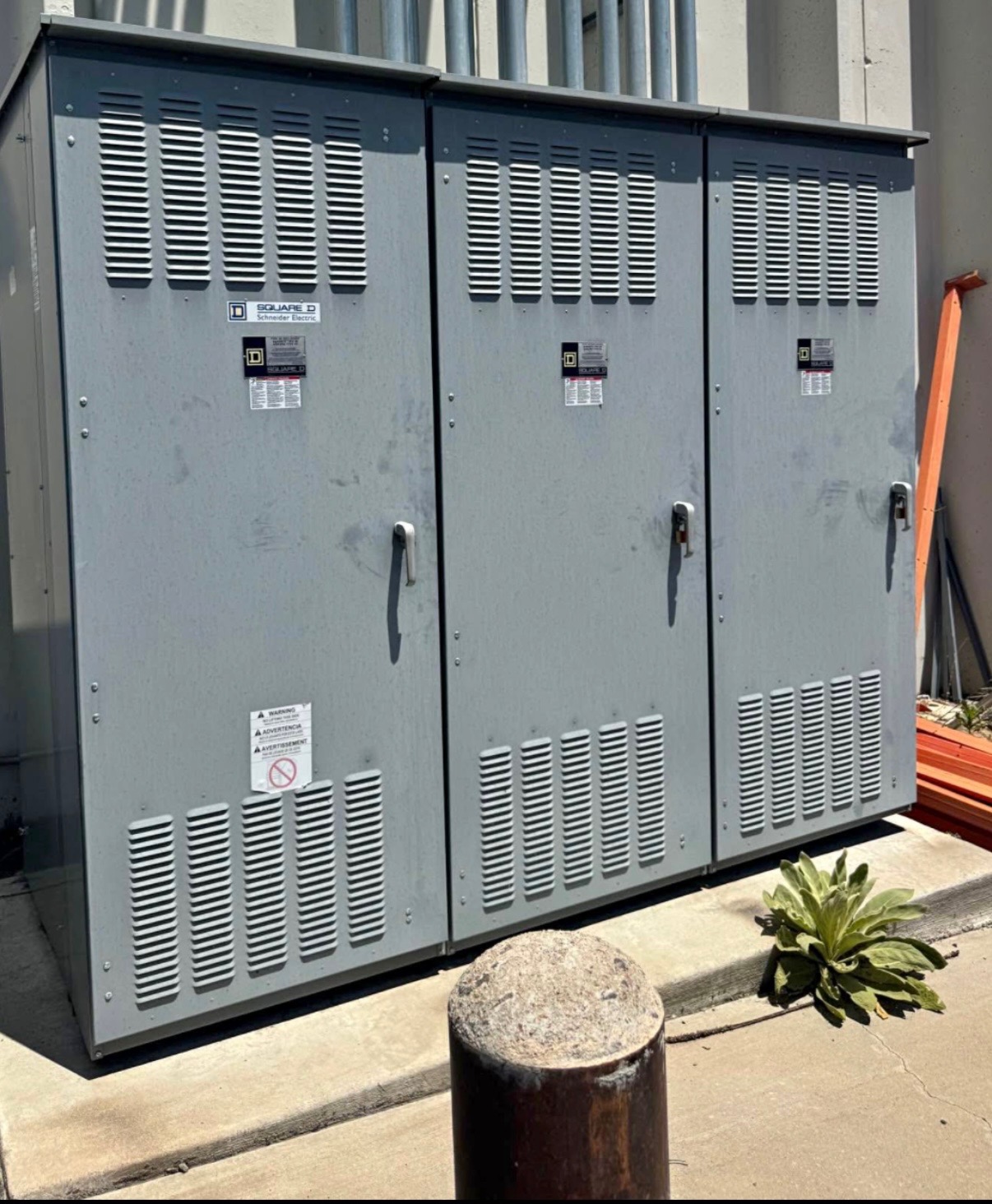
Define the sale boundary around operating production
Start with a marked scope boundary, not an assumption that the whole MCC lineup is surplus. If one section is retired while adjacent sections remain in service, identify the intended sale items by lineup position and visible identifiers, then have the site's qualified electrical personnel determine what can be isolated and released. A bucket may look removable, but its status and relationship to the assembly must be established by authorized personnel under site rules. Record which lineup sections, buckets, drives and related items are included, excluded or undecided. This avoids treating shared structures, control wiring or equipment supporting active production as saleable merely because they sit beside retired assets.
Separate buckets, drives and complete MCC sections
Inventory the assets in useful groups: complete MCC sections, individual buckets, spare or removed drives, and accessories. Distinguish a drive from its bucket and the bucket from the MCC assembly; a drive's visible nameplate does not establish the condition or rating of the larger assembly. Record manufacturer and readable exterior nameplate details only where safely accessible, along with quantity and known status such as installed, stored spare or removed. If a drive is intended to remain with a process, flag it as excluded even if it appears to match a surplus bucket. Do not infer interchangeability from appearance, brand or voltage; any technical compatibility decision belongs to qualified personnel.
Plan phased release against changeover milestones
A phased release can suit a line changeover when equipment becomes surplus in stages rather than all at once. For example, if one production area is retired before another, list each proposed release phase and the condition that makes its assets available, such as the site's authorized isolation and completion of a replacement-system transition. Treat those as planning gates, not promised pickup dates. Agree which items remain in place until a later phase and how they will be identified so they are not confused with released equipment. Ask the buyer to assess each phase's inventory and access needs separately; acceptance and offers are determined individually, not guaranteed by an initial list.
Keep live-work and seller responsibilities clearly bounded
Where production remains active nearby, define the work boundary, access route, operating restrictions and site contact before scheduling any removal activity. The seller should not dismantle, disconnect, test or prepare electrical equipment. Electrical isolation and all other electrical work must be performed by qualified, authorized personnel under site rules; the buyer's removal plan must respect those controls. No seller testing is required, and a seller need not open equipment to establish its contents. For an initial review, share an inventory and only photographs of safely accessible exterior nameplates or equipment taken from an authorized safe position. Never approach or photograph equipment if doing so would create an exposure risk.
Coordinate buyer-led rigging and transport scope
Once the sale scope and release phase are defined, discuss how the buyer will handle the agreed disconnects, crane and rigging, loading, freight and hauling. Clarify access constraints that could affect the plan: overhead clearance, doorway dimensions, floor or yard restrictions, permitted work hours and the route from equipment to loading area. These are planning details, not a request for the seller to move or dismantle anything. The buyer pays freight and covers the agreed crane, rigging, disconnect, loading and hauling scope, subject to individual assessment and site coordination. Identify any items or activities outside the equipment-removal boundary rather than assuming unrelated demolition or hazardous-material work is included.
Document commercial terms and authority to sell
Before releasing a phase, confirm that the seller owns the equipment or has authority to sell it, and reconcile the written item list with the agreed boundary. Ask for a cash offer based on the assets being considered; offers and acceptance are assessed individually, and no particular result is assured. Payment is upfront, with terms confirmed before the transaction proceeds. Include any known exclusions, storage status, access limits and the site's release sequence in the discussion so the assessment reflects the actual scope. A Georgia industrial facility considering an MCC changeover can present equipment across all voltage classes for review, without seller testing, while leaving technical decisions and electrical work to authorized professionals.
DECOMMISSIONING / THE COMPLETE SERVICE
From shut-down site to paid seller.
We buy electrical switchgear from decommissioned data centers and shut-down power plants. We handle all rigging and logistics: crane, rigging, disconnects, loading, freight and hauling are on us. Qualified personnel handle electrical disconnects and isolation according to site safety procedures. The seller does nothing but get paid.
We make cash offers, pay upfront, require no testing from the seller, and buy all voltage classes. Share the site and equipment details you know; photos are helpful only when they can be taken safely. Never open or touch energized equipment or disturb a live installation.