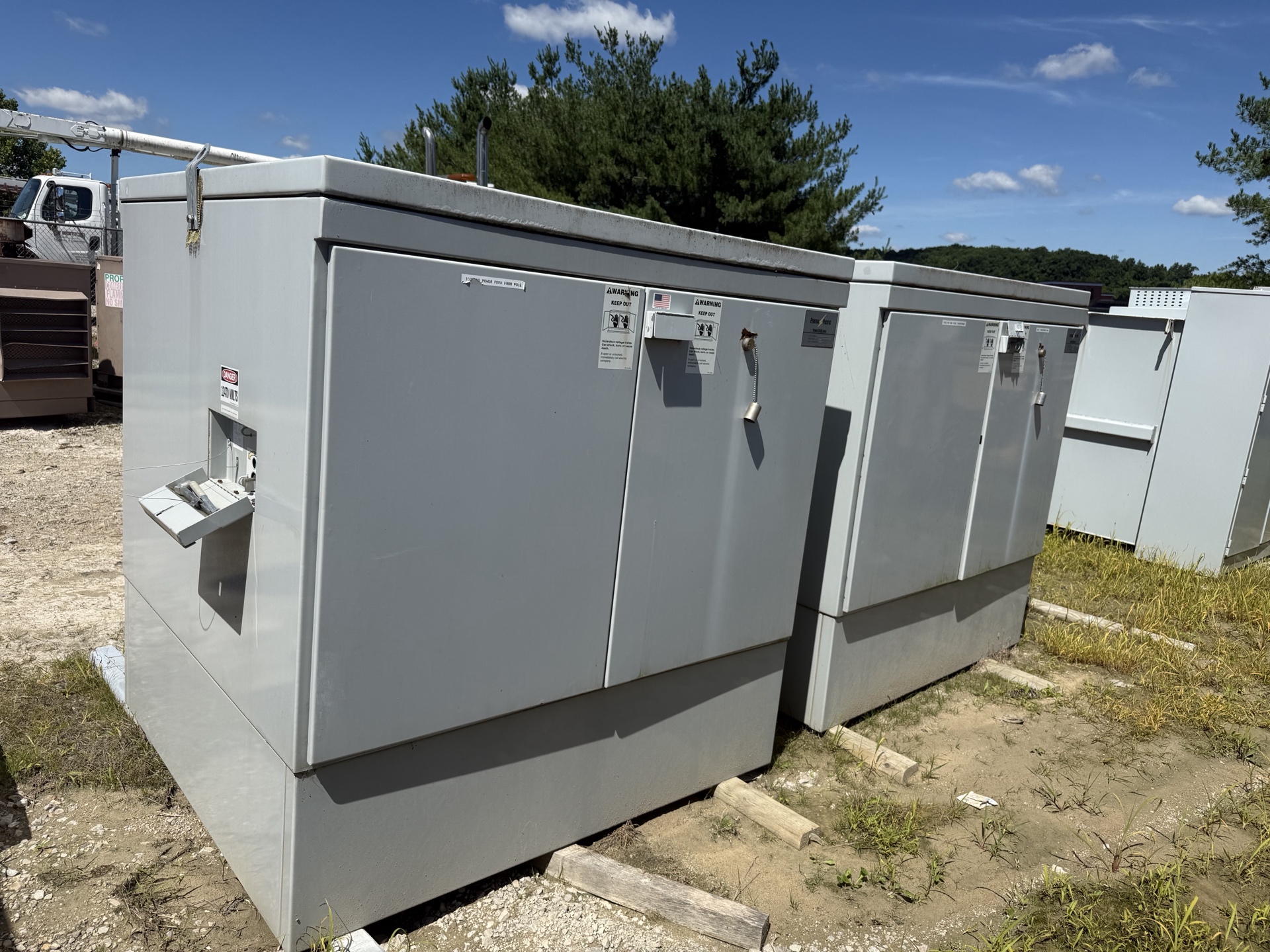
Start with three records, not one total
Compare the fixed asset register with physical section counts and a separate loose-parts list. A register entry such as one switchgear lineup may describe an assembled group, while a walk-through count may record individual sections; neither number alone proves what is present or saleable. Reconcile by room or lineup identifier, noting the register description, observed count and discrepancy. For example, record “four sections observed; register lists one lineup” rather than forcing a count to match. Keep the reconciliation factual: the buyer can assess assets individually once the seller identifies what is included.
Distinguish sections from loose components
Keep installed sections, detached components and unverified parts in separate inventory lines. A breaker stored nearby is not automatically part of a particular assembly, and a loose accessory may have uncertain fit or ownership. Record visible descriptions and quantities without assigning compatibility that has not been established. If an assembly is counted as one asset but its removable components also appear in the register, flag possible double-counting instead of adding both values to a claimed total. Photographs should show only safely accessible exterior nameplates and equipment from authorized safe positions; do not approach or handle gear to obtain them.
Mark ownership uncertainty for resolution
When a label, register entry or storage location leaves ownership unclear, place that item on a hold-for-clarification list rather than silently including or excluding it. Note the identifier, where it was observed, the record it may relate to and who is authorized to resolve the question. A seller must own the equipment or have authority to sell it. This distinction matters for contractor-owned tools, leased assets or parts held for another party. Share confirmed items and unresolved items separately so an assessment does not treat uncertain property as an approved sale.
Describe identity without overclaiming ratings
For each identifiable assembly or breaker, transcribe exterior nameplate information only where it is safely accessible. Preserve the wording and distinguish assembly identification from breaker identification; do not infer a breaker’s frame or trip rating from a lineup label. Record nominal voltage and other visible ratings as stated, leaving blank or marking “not confirmed” when unreadable. We consider equipment across all voltage classes, but that does not establish compatibility, condition or acceptance. No seller testing is required. Any electrical inspection or work must be performed by qualified, authorized personnel following site rules.
Choose how much uncertainty to resolve before an offer
There is a practical tradeoff between spending time reconciling every discrepancy and presenting a clearly bounded inventory for individual assessment. If records conflict over one section, identify the competing descriptions and ask the buyer what additional safe documentation would help. Do not assign a value to an unverified loose breaker as though its identity were certain. A buyer may make cash offers and pay upfront for equipment it elects to purchase, but assets and offers are assessed individually; inclusion, price and terms should be confirmed rather than assumed from a preliminary list.
Plan removal around access and safe responsibility
Before scheduling, document access constraints, loading areas and known site rules, then clarify which assets are included and which remain. The buyer covers buyer-paid freight, crane, rigging, disconnects, loading and hauling as agreed for the accepted equipment; this does not authorize anyone to perform electrical work outside their role. The seller need not test or prepare equipment. Do not ask staff to open, touch, operate, disconnect, move or handle energized gear. Any required electrical work belongs to qualified, authorized personnel, coordinated under the facility’s safety controls.
Use a closeout record to prevent scope disputes
Before pickup, retain the reconciled register, the observed section count, the loose-parts schedule and a dated list of ownership questions and resolutions. Identify accepted items by the same labels used in the inventory, and record exclusions so a nearby but unlisted asset is not mistaken for sale property. If a count changes, update the record and seek confirmation rather than relying on memory. This creates a practical boundary for the Johns Creek pickup: the buyer assesses the documented surplus, while the seller retains responsibility for authority to sell and unresolved property remains out of scope.