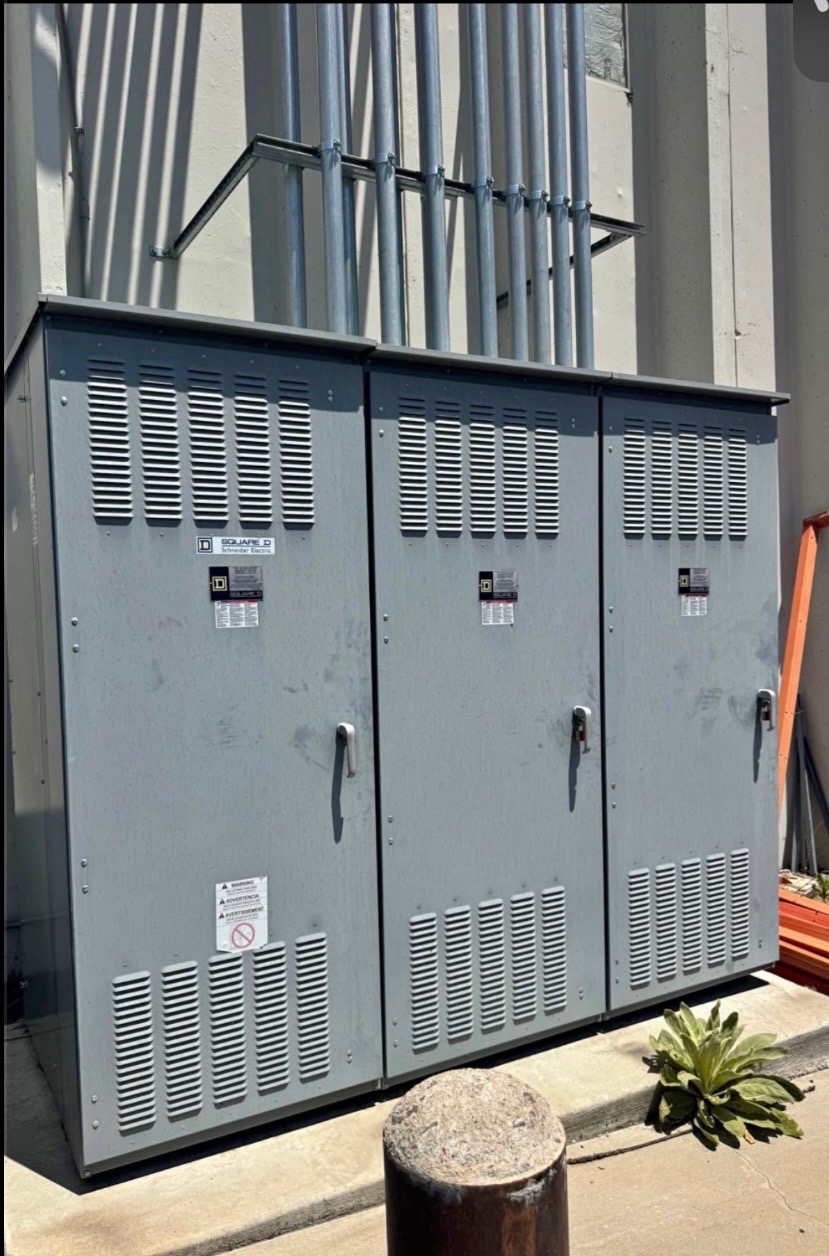
Separate packaged inventory from installed equipment
If a canceled project leaves switchgear in its original packaging, document it as packaged, not as new. Packaging may be opened, seals may be broken, and storage conditions may be unknown. Installed gear has a different history: it may have been energized, modified, or exposed to operating conditions, even if it was later disconnected. Keep those groups separate in the inventory and identify which items were never installed, which were installed, and which status is uncertain. This distinction helps an equipment buyer assess the actual circumstances rather than infer condition from a project label. Do not open equipment or packaging to investigate; electrical work and any access beyond safely available exterior information belong to qualified, authorized personnel under site rules.
Describe completeness without promising condition
Packaged switchgear may include breakers, bus components, control items, manuals, or accessories specified for the project, but a canceled order does not prove that every component is present. Compare available packing lists and purchase records with the exterior labels and safely accessible documentation. Record missing, substituted, or unverified accessories plainly; for example, note that a breaker shown on a schedule is not accounted for, rather than claiming a complete lineup. Installed gear may also have had accessories removed or changed over time. A missing component can affect the usefulness and assessment of an assembly, but should not be treated as proof that the remaining equipment has no value. Avoid opening cabinets or handling components to complete the count.
Use records to explain storage and project history
Useful records can include purchase documents, packing lists, receiving dates, storage logs, project cancellation notices, and any records of indoor or outdoor storage. These help establish what the equipment was intended to serve and what is known about its custody. They do not establish a guaranteed condition or make an item equivalent to factory-new equipment. If storage records are incomplete, say so and provide the dates or gaps you can verify. Photographs should be limited to exterior nameplates and equipment that are safely accessible from an authorized position. Never approach, open, test, move, or disconnect gear to obtain a better image. Share documentation through an approved channel and protect any sensitive project or site information.
Establish authority to sell before arranging pickup
A project cancellation can leave ownership less obvious than the equipment’s location. The equipment may belong to the purchasing company, a contractor, a financing party, or another entity under the project documents. Confirm that the seller owns the items or has authority to sell them, and identify any restrictions, liens, or approval steps that apply. A purchase order alone may not settle who holds title. Give the buyer a clear inventory tied to the party authorized to approve the sale; if ownership is disputed or unresolved, settle that question before committing equipment to a transaction. Accurate ownership information supports an individual assessment and helps avoid scheduling freight for assets the seller cannot release.
Compare offers using the actual scope of the package
For an assessment, distinguish the switchgear assembly from its individual breakers, bus, frame, and trip components. A breaker’s frame and trip are not interchangeable descriptions, and nominal voltage is not the same as every applicable rating. Share visible nameplate information and available schedules without inferring compatibility from similar labels or assuming a rating from another component. Buyers may consider surplus equipment across all voltage classes, but each asset and offer is assessed individually; no rating alone guarantees acceptance or a particular price. This buyer offers cash and pays upfront for an agreed transaction. Sellers are not required to test equipment. Confirm in writing what inventory the offer covers, especially when accessories are missing or packaged and installed items are mixed together.
Plan removal around site authority and access
Before pickup, coordinate access, release approvals, loading space, and any site-specific safety rules with the responsible site contact. Electrical disconnects and other electrical work must be performed by qualified, authorized personnel; the seller does not need to test or prepare equipment. For an agreed purchase, the buyer covers freight, crane, rigging, disconnects, loading, and hauling, with the removal approach considered for the particular assets and site. Those services do not remove the need for site authorization or guarantee a schedule or outcome. If the lineup is still installed, do not attempt to disconnect, rack out, move, or handle it. A clear inventory and access discussion let the buyer assess logistics before committing to a pickup plan.