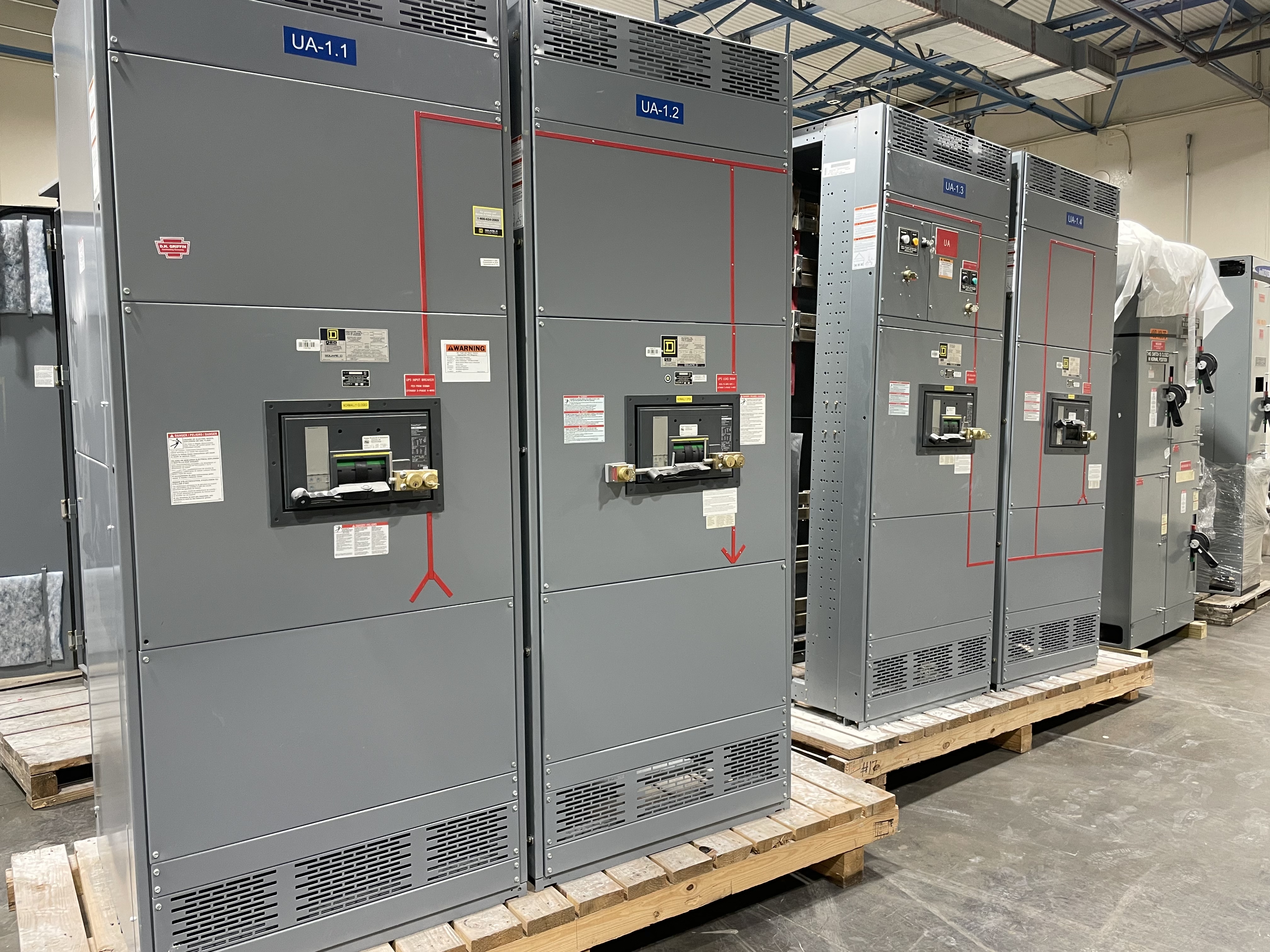
Separate the equipment into sale decisions
Auxiliary switchgear, spare breakers, and remaining site infrastructure are not interchangeable categories. A lineup may serve plant auxiliaries that still support retained systems; spare breakers may be stored separately, with incomplete histories; infrastructure can include cable, supports, or enclosures that are not part of the electrical assembly. Make a basic inventory by location and apparent function, without approaching restricted or unsafe areas. Record what the seller believes is included and excluded. Separate listings can make scope clearer, while a combined offer may be simpler if ownership and removal boundaries are well defined.
Shutdown does not prove electrical isolation
A retired generating unit or closed plant does not establish that every circuit is de-energized, isolated, or safe to access. Auxiliary feeds, backfeeds, stored energy, and connections to systems that remain operational require site-specific evaluation. Do not open, touch, test, disconnect, or move equipment to confirm status. Qualified, authorized electrical personnel must determine and manage isolation under site procedures. For a buyer’s review, ask the seller to describe the documented status and access restrictions, rather than treating a shutdown date or an idle appearance as proof that equipment can be handled.
Identify each breaker and its relationship to the lineup
For spare breakers, document the manufacturer and legible exterior nameplate information when safely accessible from an authorized position. Note whether each unit is complete and whether its relationship to a particular switchgear assembly is known. An assembly rating, breaker frame rating, trip rating, and nominal system voltage describe different things; one value does not establish the others. A breaker that appears similar to an installed unit is not automatically compatible with a lineup. Keep uncertain identification explicit, and do not remove a breaker from storage or gear to improve the record.
Describe what remains and what may be excluded
When infrastructure stays behind, define the proposed sale boundary before discussing removal. For example, a seller might offer identified switchgear and separately stored breakers while retaining foundations, cable routes, or equipment that supports continuing operations. Clarify ownership and authority to sell for each category, including items incorporated into a larger assembly. A marked-up site inventory or written scope can distinguish included assets from retained property without requiring anyone to enter a hazardous area. If the boundary depends on electrical connections, qualified authorized personnel—not a buyer’s estimate—must establish what may be disconnected.
Balance completeness against removal effort
A more complete lineup may be easier to evaluate as an assembly, while separately stored breakers can have value independent of that lineup if identity and condition are supportable. Conversely, mixed, undocumented inventory may require additional review and could be assessed differently item by item. Consider whether the proposal includes only identified equipment or also removal-related work, and state access constraints early. We assess assets and offers individually; acceptance, pricing, and timing are not guaranteed. A clear inventory helps compare a possible sale of discrete items with a broader equipment lot without assuming every component will be accepted.
Share safe information and set removal responsibilities
Useful documentation can include existing records, approximate quantities, equipment descriptions, and photographs limited to safely accessible exterior nameplates and equipment from authorized safe positions. Never approach or handle energized gear, or open an enclosure, rack out a breaker, or reposition equipment for a photo. If a sale is considered, we offer cash and pay upfront, require no seller testing, and buy equipment across all voltage classes; this does not mean every item is suitable or accepted. We cover crane, rigging, disconnects, loading, freight, and hauling when arrangements are agreed, with electrical work performed by qualified authorized personnel under site rules.
Make the pickup plan fit the site
Before committing to a removal scope, identify the authorized site contact, permitted access route, operating restrictions, and any equipment that must remain undisturbed. A crane or rigging plan may depend on access and the actual load, while disconnects must be coordinated with the responsible electrical personnel. Do not assume that a plant shutdown authorizes entry, disconnection, or removal. If retained infrastructure shares a route or support with sale items, resolve that boundary before scheduling work. The pickup location is LaGrange; site-specific access, ownership, safety controls, and the assessed inventory determine whether a transaction proceeds.