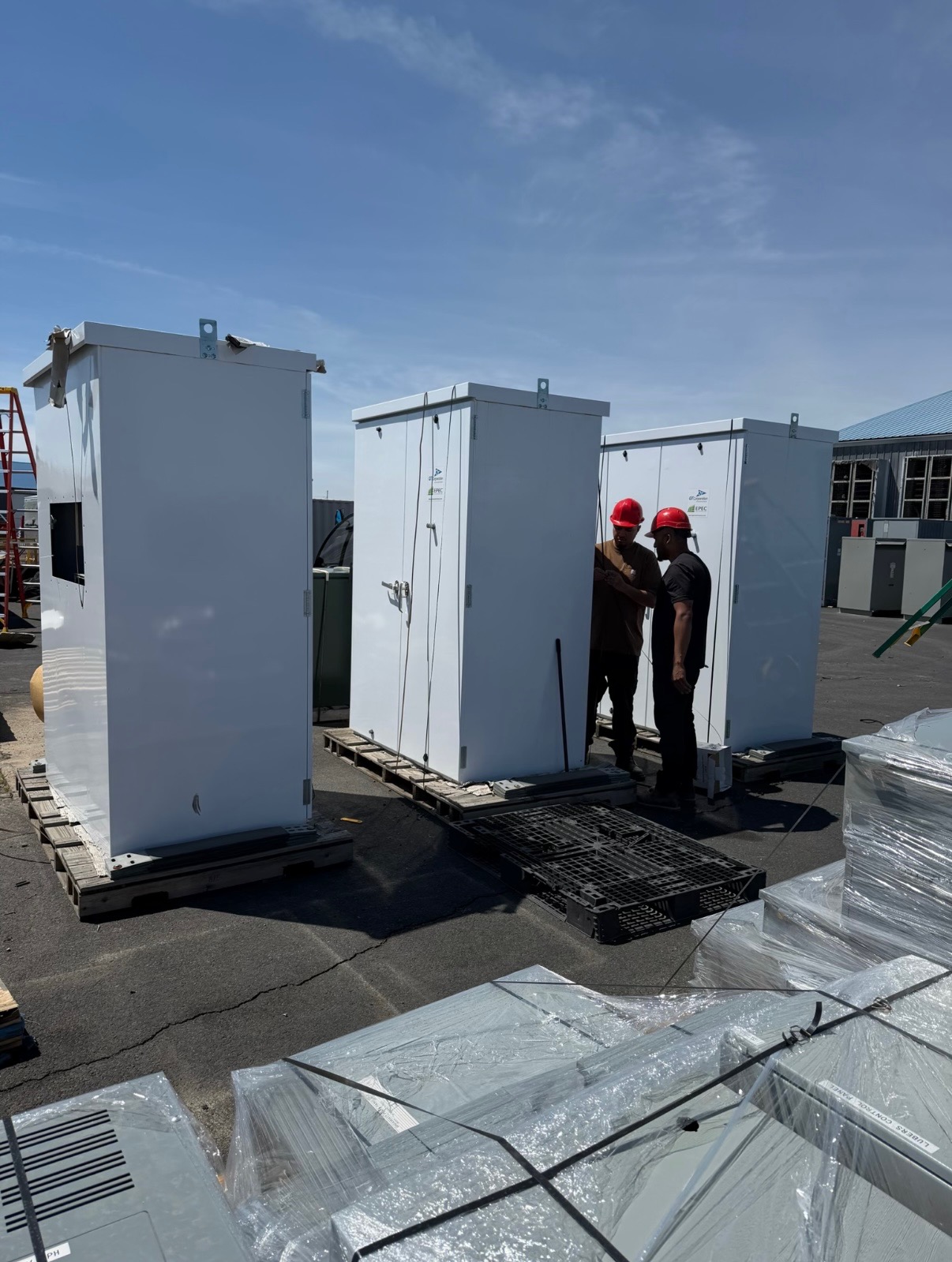
Separate installed lineups from boxed spares
Begin with two inventory groups: switchgear that was installed as part of a plant lineup and equipment that remained boxed or stored as spare stock. An installed assembly may have a traceable position in a lineup, while a boxed breaker may have packaging and a nameplate but no proof of its service history. Those differences affect what a buyer can assess, not an automatic decision to buy or pass. Record each item or assembly separately, including whether it is installed, disconnected previously, or stored. Do not infer that a spare fits an installed section merely because the labels look alike; configuration and compatibility require qualified review.
Build a useful history without filling gaps with guesses
For an installed lineup, gather available equipment lists, drawings, maintenance records, and removal or decommissioning documents. For boxed spares, note packaging condition, dates or labels that are actually present, and any inventory records linking them to the plant. Mark missing records plainly rather than reconstructing a history from memory. A breaker identified in an old list may not be the same unit now in storage, and an undocumented period does not establish either good or poor condition. These records help frame an individual assessment; they do not guarantee acceptance, a price, or a particular outcome. Keep original documents where possible and distinguish copies from confirmed current records.
Capture identification safely and consistently
A practical inventory records manufacturer and visible nameplate information, assembly identification, breaker identification, frame and trip information when shown, and stated nominal voltage and ratings. Do not collapse these into a single “switchgear rating”: an assembly, breaker, frame, trip unit, nominal voltage, and individual ratings describe different things. Photograph only exterior nameplates and other safely accessible exterior details, from authorized safe positions. Never approach, open, touch, operate, test, or photograph energized equipment. If a label cannot be read safely, mark the field unknown and have qualified authorized personnel determine what information can be obtained under site rules. Do not guess from adjacent equipment.
Choose how much to group for review
Offering a complete installed lineup as one inventory can preserve context, but it may include sections with different identification or record quality. Listing boxed spares individually can make quantities and labels clearer, yet separating them from their original inventory may erase useful associations. A seller might record each lineup section and breaker individually, then add a separate summary showing which items were stored together or listed in the same records. Ask whether the buyer wants a grouped inventory or item-level details before deciding how to present it. Keep any grouping factual: do not describe parts as matching, interchangeable, or complete unless that has been established by qualified review.
Plan the handoff around site controls
Before discussing pickup, establish who owns the equipment or has authority to sell it, which areas are accessible, and what access or scheduling rules apply. If a lineup remains installed, all electrical work—including disconnects and any removal—must be performed by qualified, authorized personnel under the site’s rules. The buyer can cover crane, rigging, disconnects, loading, freight, and hauling as applicable to an individually assessed transaction; sellers do not need to hire crews or prepare equipment. Do not assume a stored spare needs the same handling plan as an installed assembly. Share known access constraints and loading conditions so logistics can be considered without bypassing site controls.
Compare offers only after the inventory is clear
Once the records and categories are organized, provide the inventory for individual assessment rather than treating the plant’s remaining switchgear as one uniform lot. The buyer considers used, surplus, and decommissioned equipment across all voltage classes and does not require seller testing. Offers are not assured for every item or group. When an offer is made, the buyer offers cash and pays upfront; the specific terms and scope still depend on the assessment. Compare what is included—such as identified lineup sections, boxed spares, and pickup logistics—and what remains uncertain. A careful list of confirmed details and explicit unknowns makes that comparison more meaningful than a claimed condition unsupported by records.