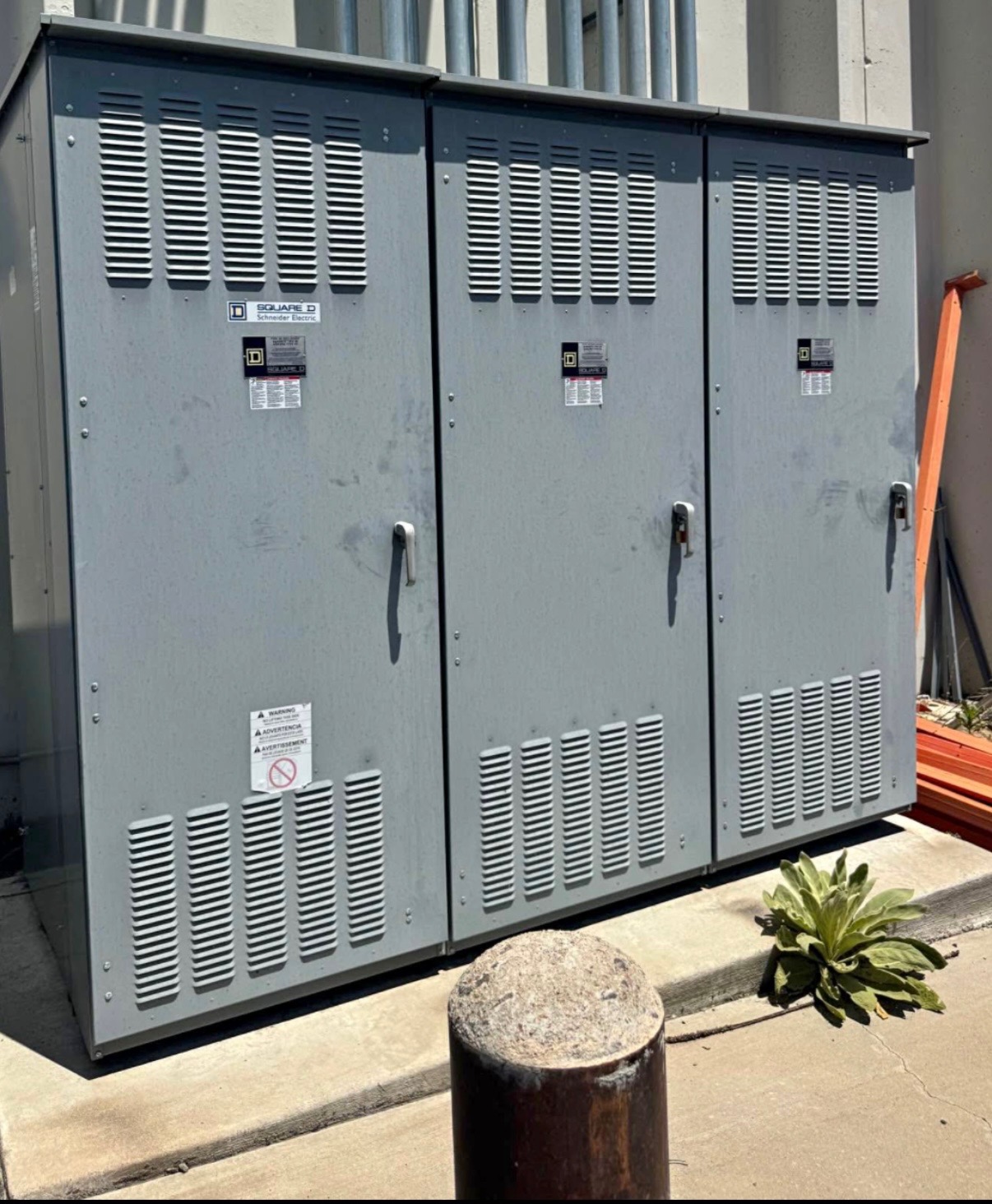
Separate the assets by function before valuing them
A switchboard distributes power through a group of protective and switching devices; transfer equipment changes a load’s source; busway carries power along a modular route with plug-in units. Those differences affect what a buyer can assess and what must remain in service until retirement is complete. For example, a busway run may depend on compatible sections and fittings, while a transfer unit may be meaningful as a complete assembly rather than as an isolated enclosure. Make a preliminary inventory by function and assembly boundary, without assuming the equipment is interchangeable or that every component will be accepted.
Set confidentiality limits before sharing records
Data center records can reveal room layouts, load relationships, security arrangements or operating details. Before sending documents or photographs, identify what may be shared, who has approval to release it, and whether sensitive pages should be withheld or redacted. A useful first exchange may be a seller-approved asset list with general equipment descriptions, quantities and safely accessible exterior nameplate details. Do not photograph equipment by approaching or handling it; images should be taken only from authorized safe positions. Ask the buyer what information is needed for an initial assessment and agree on an approved channel for any later records.
Confirm title and release authority for each assembly
Retirement does not by itself establish that a seller can transfer every item. Equipment may be owned by the site operator, a landlord, a financing party or another party, and project contracts can set separate release conditions. Confirm who holds title or written authority to sell each switchboard, transfer assembly and busway segment. If components are being retained, leased, or reserved for another phase, mark those boundaries in the inventory and release documents. A buyer should assess assets individually; clear ownership and a defined sale scope help prevent confusion about what is offered, what remains installed and what may be removed.
Describe ratings without confusing component terms
When information is available and approved for release, record the assembly identity and nameplate details as visible from a safe position. Distinguish the switchgear or switchboard assembly from an individual breaker; note breaker frame and trip information separately where legible. Record nominal voltage and applicable ratings as stated, rather than inferring them from a connected busway or adjacent equipment. Transfer equipment should be identified as an assembly and described by its documented configuration, not merely by a cabinet label. Missing or uncertain details should remain marked unknown. No seller testing is required for an assessment, and no rating should be presumed from appearance.
Coordinate retirement with qualified electrical personnel
Removal timing must follow the site’s operating plan, authorization process and safety rules. Qualified, authorized electrical personnel must perform electrical isolation, verification and any required disconnect work under site rules. Never approach, open, touch, operate, test or move energized equipment, or handle it for photographs. If a busway route crosses areas scheduled for continued use, document which sections are released and when access is authorized; a switchboard or transfer assembly may have a different sequence. Agree on the release boundary and responsible site contact before arranging physical work, without treating a sale discussion as permission to begin it.
Match logistics to the actual pickup scope
Access and handling requirements can differ sharply between a cabinet and long busway sections. Share approved information about access constraints, lifting points only when documented, loading areas and any site restrictions; do not guess at weights or lifting methods. The buyer covers crane, rigging, disconnects, loading, freight and hauling for equipment it agrees to purchase, with details assessed for the specific scope. This does not mean every asset will be accepted or that unrelated demolition or hazardous-material work is included. Confirm what is being collected, the authorized work window and any site coordination requirements before committing to a pickup plan.
Compare offers against payment and release terms
Once the inventory, authority and release conditions are clear, compare any cash offer with the exact assets and assemblies it covers. The buyer pays upfront, but offers and acceptance are determined individually; neither a stated equipment class nor a complete-looking lineup guarantees a particular price or outcome. The buyer purchases used, surplus and decommissioned equipment across all voltage classes, including assets from retired data center power rooms, without requiring seller testing. Before proceeding, document the agreed asset list, confidentiality limits, payment arrangement, release authorization and logistics scope. Keep retained equipment expressly excluded so the sale does not exceed the seller’s approved disposition.