Start with the assembly nameplate, not a breaker label
Record the information shown on the switchgear assembly nameplate, distinguishing it from labels on individual breakers or compartments. Capture the manufacturer, identifying numbers, stated nominal voltage and any listed assembly ratings exactly as presented; do not infer a missing value from a breaker label or another piece of equipment. A breaker’s rating describes that breaker, while the assembly’s stated rating belongs to the lineup as identified by its own documentation or plate. Photograph an exterior nameplate only when it is safely accessible from an authorized position, without approaching or opening equipment to obtain a better image. If a field is unreadable, report that rather than supplying an estimate.
Describe what the assembly includes
Explain whether the proposed sale covers a complete lineup or only identified sections, and list associated items separately when their inclusion is uncertain. For example, distinguish switchgear sections from separately stored breakers, control components, or loose parts; do not imply that a loose breaker belongs to a particular compartment unless records support that connection. A lineup that remains assembled presents a different identification question from sections already separated, so describe the current arrangement and any known changes. If drawings, schedules, or inventory records are available, they may help clarify scope, but they are not a substitute for accurate physical identification. Ownership or authority to sell must be established by the seller.
Map breaker compartments without assuming contents
Compartment count and breaker inventory are useful details, but avoid treating an empty space as proof of a missing breaker or assuming that installed breakers match an old schedule. From records and safely accessible exterior markings, document section identifiers, compartment labels, and any known breaker types or quantities. Note which details are confirmed and which remain uncertain. If breakers have been removed, stored separately, or associated with another lineup, say so plainly and identify them as separate items for review. Do not open compartments, rack out equipment, or handle breakers to create an inventory. Qualified authorized personnel must perform electrical work under site rules; a sale inquiry does not require seller testing.
Report condition as known, including unknowns
Describe condition in terms of observed or recorded information: for instance, whether the assembly is reported as intact, has visible exterior damage, is incomplete, or has an unknown operating history. Separate firsthand observations from information supplied by maintenance records or another person. A statement that a breaker is present does not establish its condition, and a historical test record should not be presented as a current result. No seller testing or preparation is required. Do not operate, touch, open, disconnect, remove, move, or approach energized equipment to investigate or improve documentation. If condition is uncertain, say so; assessment and any offer depend on the individual asset and the information available.
Plan inclusion and removal around the actual scope
Before arranging a review, clarify whether the sale would include the full assembly, selected sections, separately identified breakers, or accessories, and note items expressly excluded. This prevents a mismatch between the inventory described and what is available for pickup. If the lineup is connected, installed, or positioned within a facility, do not disconnect or prepare it yourself. Electrical disconnects and other technical work must be performed by qualified authorized personnel in accordance with site rules. We buy all voltage classes and can consider equipment without seller testing; that does not mean every configuration or condition will be accepted. Assets are evaluated individually, with no guaranteed offer or outcome.
Coordinate logistics and payment terms
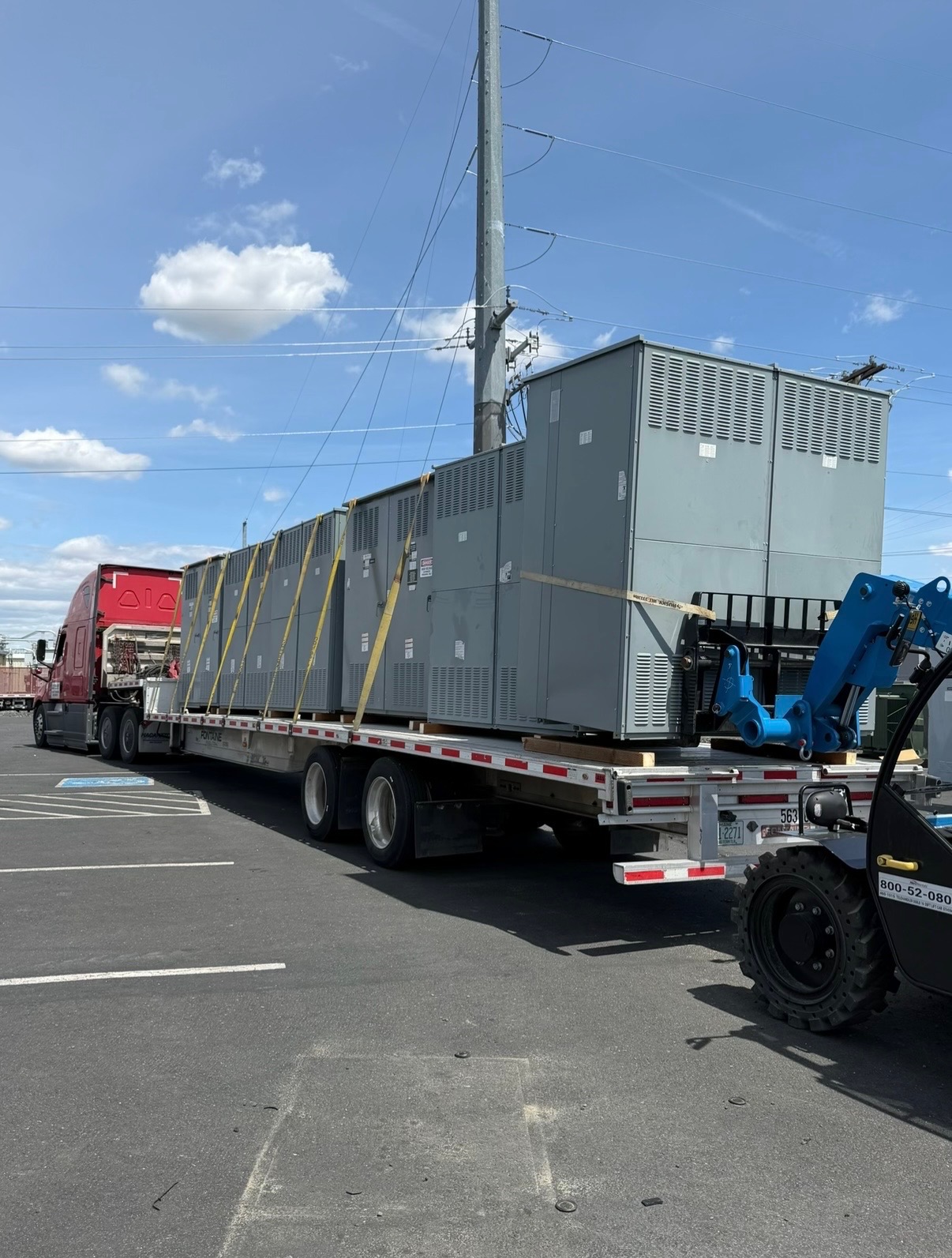
Share practical access information, approximate assembly dimensions or weight if documented, section configuration, and known loading constraints; mark estimates as estimates. These details help assess handling needs without asking the seller to move or dismantle equipment. Depending on the specific asset and site, our purchase logistics cover crane, rigging, disconnects, loading, freight, and hauling, with buyer-paid freight. Qualified authorized personnel handle electrical work under applicable site rules. We make cash offers and pay upfront, subject to individual assessment and agreed transaction details; no particular price, acceptance, or schedule is promised. Safe exterior nameplate photographs and existing records can support review, but never take photographs by approaching energized equipment.